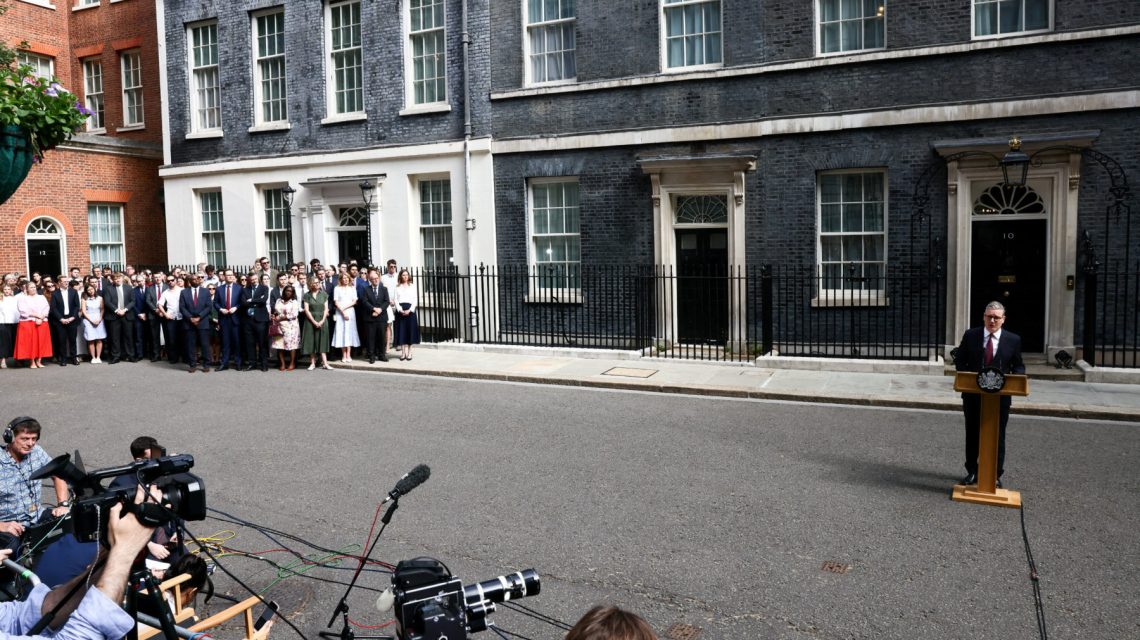
Keir Starmer was elected Britain’s prime minister with a promise to end years of political chaos under the Conservatives. However, less than two years later, his term is ending after missteps and party infighting, including a colossal error of judgment related to Jeffrey Epstein. Although he never met Epstein or was involved in his crimes, the scandal indirectly ensnared Starmer.
On Monday, Starmer announced he was stepping down as leader of the Labour Party but would remain caretaker prime minister until a new leader is chosen. The parliamentary party’s lack of confidence in his leadership was evident, prompting his decision to resign.
“The question my party is asking now is whether I am best placed to lead us into the next general election,” Starmer stated. “I have heard the answer of my parliamentary party to that question, and I accept that answer with good grace.”
Starmer promised an end to soap opera politics, yet his government contradicted this pledge, resulting in challenges difficult to overcome. Labour suffered defeat in the Makerfield by-election, triggering government resignations and leading Andy Burnham toward leadership.
Starmer’s tenure began on July 4, 2024, when he returned the Labour Party to power after 14 years. He pledged to restore political respect and public service after the turbulent Conservative rule. Labour had a huge majority in Parliament but was backed by only 34% of voters who were motivated more by anger at the Conservatives than enthusiasm for Labour.
Missteps included controversies over accepting valuable gifts and policy U-turns. His decision to appoint Peter Mandelson as ambassador to the U.S. was a critical error. Mandelson’s ties to Epstein surfaced, damaging Starmer’s credibility.
Starmer’s legal background benefited him in Parliament, where he challenged three Conservative prime ministers. However, his political instincts fell short, and he faced criticism for welfare cuts and his stance on international issues.
Internationally, Starmer supported Ukraine and addressed the consequences of the U.S.-Israeli war on Iran. The conflict strained his initial friendly rapport with U.S. President Donald Trump.
In his resignation statement, Starmer highlighted domestic achievements such as improved NHS treatment wait times, increased rights for workers and renters, and signs of economic recovery. Despite these accomplishments, Starmer couldn’t bolster support for Labour.
Labour’s defeat in local and regional elections led to a decisive victory for Burnham in Greater Manchester, signaling a shift in UK politics. Shortly after, Starmer announced his resignation.
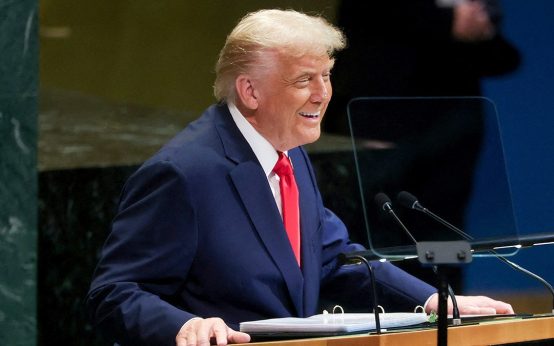 Trump’s Vision for Global Security: Iran, AI, and the Role of the U.S.
  Nevada Attorney General Faces Questions Over Clemency Bid
  Trump Administration’s Crackdown on ACA Coverage
  Shakeup in Mayor Johnson’s Administration with Key Retirements and Appointments
 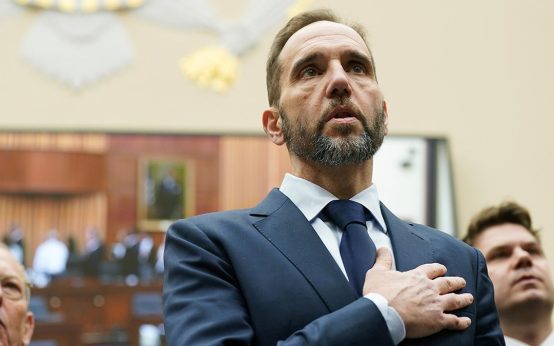 House Republicans Challenge DOJ Over Smith Investigation
 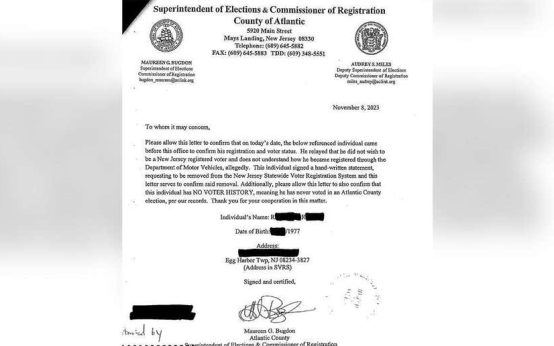 RNC Sues New Jersey Over Voter Roll Transparency