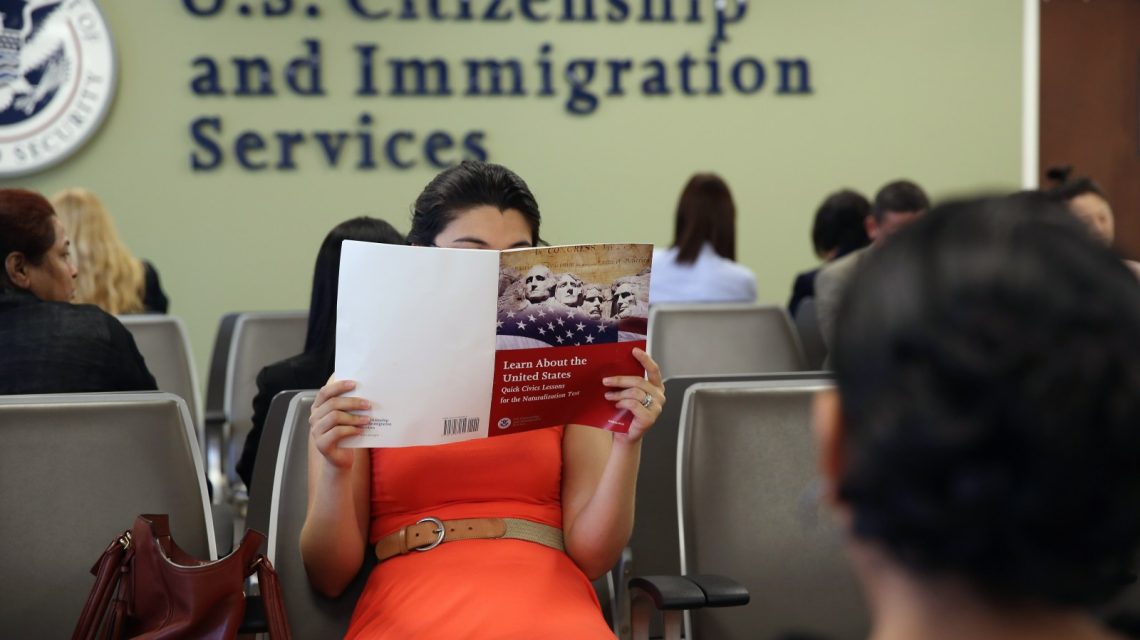
The Trump administration has argued to a federal appeals court that a $100,000 payment linked to certain H-1B visas is a legitimate immigration restriction, not a tax. They aim to overturn a lower court’s decision that blocked the policy. In June 18 court filings, the administration presented their case to the US Court of Appeals for the First Circuit, asserting that the fee is within the president’s broad authority over immigration. A district judge had previously ruled that the measure might exceed this authority by effectively creating a tax without congressional approval.
Proclamation and Justification
President Donald Trump’s proclamation mandates certain employers seeking new H-1B visas to pay $100,000 as a condition of allowing foreign workers entry. The administration claims the policy was necessary due to misuse of the visa program. They also argued that the policy addresses national security concerns, warning that without it, more foreign workers could enter despite potential impacts on U.S. interests.
Why It Matters
Critics of the H-1B program argue that it displaces U.S. workers or suppresses wages. Supporters believe it helps employers fill specialized roles in crucial sectors like healthcare and engineering. The administration referenced these concerns in defending the proclamation, highlighting the program’s alleged effects on American worker replacement and wage impacts in court filings.
Understanding the H-1B Visa Program
The H-1B visa program allows U.S. employers to temporarily hire foreign workers in specialty occupations. Federal law caps new visas at 65,000 annually, with an additional 20,000 available for those with advanced U.S. degrees. The Departments of Homeland Security and State Department were instructed to deny new H-1B petitions lacking the payment and verify the fee before issuing visas, according to the government’s filing.
Legal Challenge and Court Ruling
A coalition of states challenged the policy, claiming it exceeded presidential authority and effectively imposed a tax without congressional consent. On June 8, a federal district court in Massachusetts agreed, finding that the payment acted as a tax not clearly authorized by Congress, thus vacating the fee. US District Judge Leo Sorokin commented, “The President had no power or delegated authority to impose a tax on H-1B petitions.” The administration has appealed, seeking a stay of that ruling.
In its filing, the government argued that the district court erred in classifying the payment as a tax, suggesting it was a condition on entry similar to other immigration-related fees. The administration’s attorneys expressed concerns that more aliens could enter the country without the fee, making it challenging to revoke visas later if they prevail on appeal.
Government’s Defense and Future Considerations
Justice Department lawyers pointed to the Immigration and Nationality Act, which permits the president to “impose on the entry of aliens any restrictions he may deem to be appropriate.” They argued this authority includes requiring a one-time payment. The government clarified that the payment is not intended to generate revenue but to regulate immigration by deterring reliance on foreign labor and promoting U.S. worker employment.
The court contended that the payment equated to a tax, rendering the policy unlawful under the Administrative Procedure Act due to exceeding statutory authority and bypassing necessary rulemaking procedures.
Next Steps
The case, now before the First Circuit, is anticipated to focus on whether the payment represents a permissible immigration restriction or an illegal tax imposed without congressional authorization. This decision could influence the extent of presidential authority over employment-based visa programs.
 Tensions Rise Between Democratic Moderates and Progressives
  Republican Candidates Compete for South Carolina Senate Seat
  Conservative Activists Aim to Shape Judicial Perspectives on Birthright Citizenship
  Understanding Contempt of Congress: Recent Case Involving Dr. Fauci
  Legal Experts Predict Trump’s Success in White House Ballroom Case
  Senate Passes Stopgap Funding Bill, Affecting Key Policies