The U.S. military executed another strike on a boat accused of drug smuggling in the eastern Pacific Ocean, resulting in the deaths of two individuals and leaving six survivors. This action is part of an ongoing campaign against alleged traffickers in Latin America. The recent strike adds to a total of more than 60 such incidents, which have led to over 210 fatalities since the Trump administration initiated its efforts to target so-called “narcoterrorists” beginning in early September.
It remains uncertain if the survivors of this attack were rescued. In this instance, as well as a strike that occurred on June 16 that left two survivors, U.S. Central Command stated that they informed the U.S. Coast Guard. The Coast Guard suspended their search for the June 16 survivors the following day, noting “no signs of survivors or debris,” but refrained from commenting on the current strike. As typical with the majority of military statements regarding strikes in the eastern Pacific Ocean and Caribbean Sea, U.S. Southern Command emphasized that alleged drug traffickers were targeted along established smuggling routes, without providing evidence that the vessel carried drugs.
A video posted on social media showed a boat moving quickly across the water before being hit by a visible projectile and catching fire.
President Donald Trump declared the U.S. is engaged in “armed conflict” with Latin American cartels, justifying these attacks as necessary to curb the inflow of drugs into the United States and prevent fatal overdoses. However, the administration has provided minimal evidence to substantiate claims of targeting “narcoterrorists.”
Critics have questioned both the legality and effectiveness of these strikes, partly because much of the fentanyl causing U.S. overdose fatalities is typically trafficked overland from Mexico, manufactured with chemicals imported from China and India.
On Thursday, U.S. lawmakers demanded the Pentagon release “unedited video” of the first military strike after reports indicated a follow-up strike on survivors was conducted. Two men initially survived the attack that killed nine others, clinging to wreckage when a subsequent strike occurred, resulting in their deaths. The White House confirmed this follow-up strike, describing it as “self-defense” to ensure the boat was fully destroyed, aligning with the laws of armed conflict.
Despite this, some legal experts argued that a second strike targeting survivors would be illegal under any circumstance, conflict-related or not. In May, the Pentagon’s watchdog announced plans to investigate whether the U.S. military adhered to an established targeting framework during these strikes. However, the review is confined to the six-phase Joint Targeting Cycle, not evaluating the overall legality of the strikes, according to the inspector general’s office.
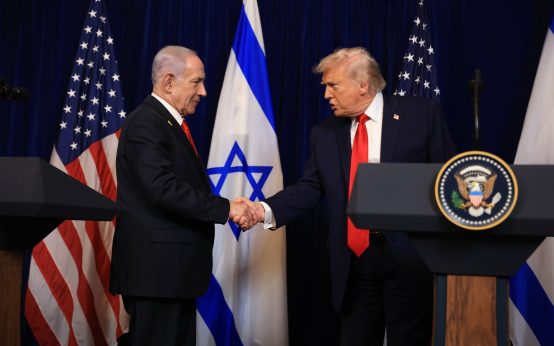 Trump’s Influence in Israeli Elections and Netanyahu’s Political Future
 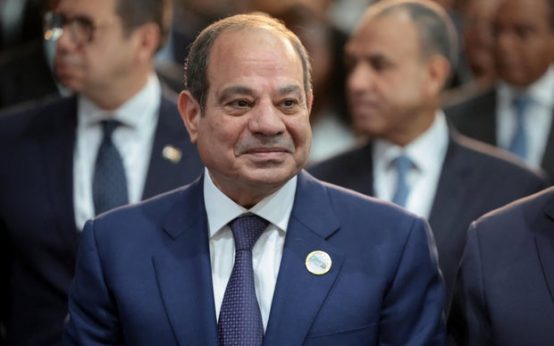 Egyptian Parliament Weighs Authorization for Military Support to Saudi Arabia
 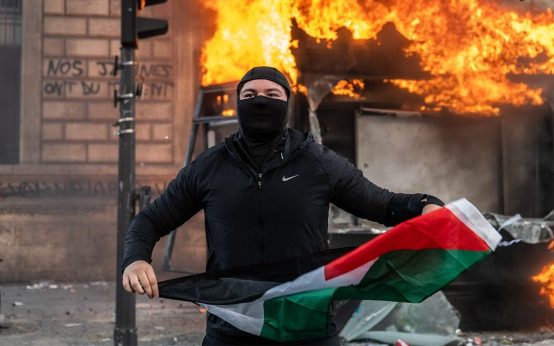 France Implements Curfews to Tackle Riots
  Kremlin Optimistic About Western Support for Ukraine Wavering
  Kim Jong Un Appears Amid Health Rumors
 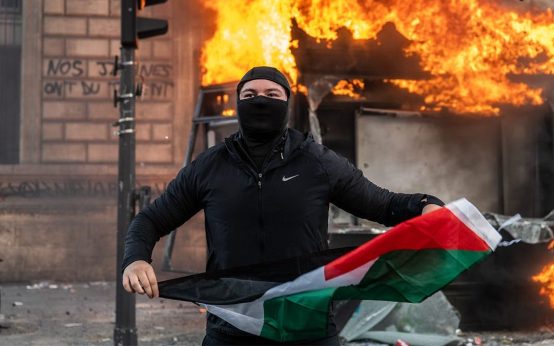 U.S. Lawmaker Warns of Lessons from French Riots