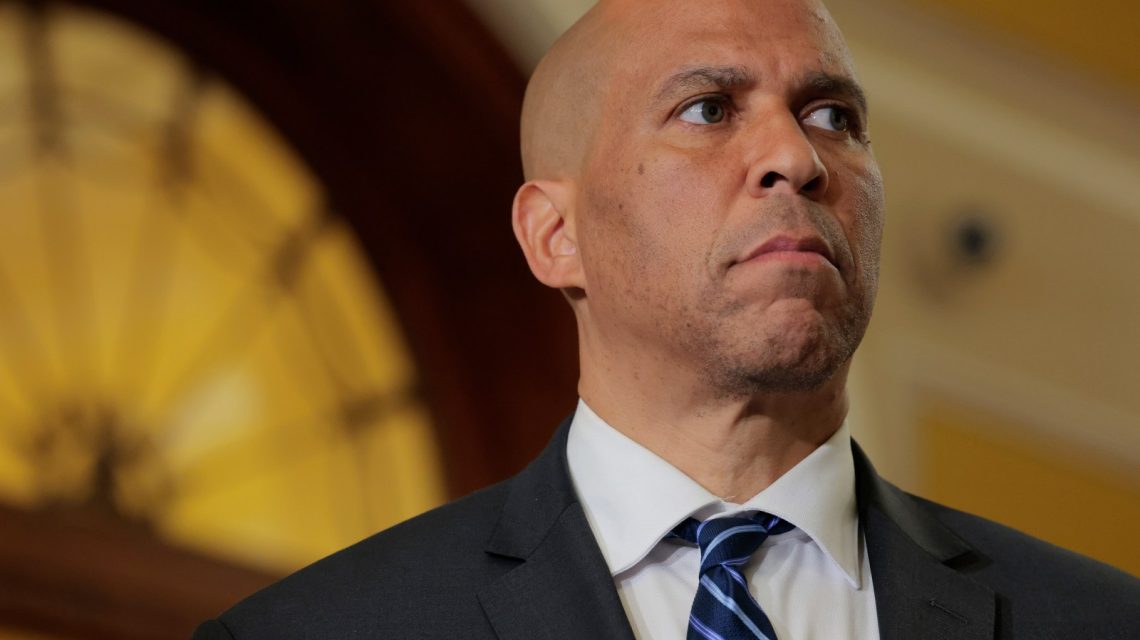
Senator Cory Booker’s Opposition to U.S.-Iran Deal
Senator Cory Booker expressed his disapproval of the Trump administration’s 60-day interim agreement with Iran, emphasizing concerns over economic relief granted to Tehran without securing lasting concessions. Speaking on NBC News’ Meet the Press, the New Jersey Democrat advocated for ending the U.S. war with Iran but criticized the manner in which it is being executed. He warned that the current approach undermines American leverage at a crucial juncture.
Disagreement with Democratic Strategist James Carville
Booker’s stance contrasts with comments from veteran Democratic strategist James Carville, who credited President Trump for ending the war despite earlier missteps. Carville argued that exiting the conflict, even if initiated poorly, was the right move, likening Trump’s actions to historical precedents.
Booker dismissed Carville’s position, comparing the situation to an arsonist fleeing a blaze they set. According to Booker, Trump is undeserving of praise for exacerbating the issue and then retreating.
Criticism of the Interim Agreement
Senator Booker described the interim agreement as a unilateral surrender. He claimed Iran benefits significantly, gaining billions of dollars while American power diminishes. Booker highlighted his commitment to ending the conflict through supporting War Powers resolutions and criticized Trump’s strategic decisions, including exiting the 2015 nuclear deal.
The memorandum of understanding (MOU) attempts to halt hostilities and negotiate broader terms over 60 days, incorporating elements like Iran’s pledge against nuclear weapon development, reopening the Strait of Hormuz, easing naval blockades, and potential sanctions relief.
Mixed Reactions from Critics and Supporters
Critics argue the interim deal favors Iran prematurely, lacking firm guarantees on compliance. Supporters view it as a practical approach to preventing further escalation. The Trump administration defends the agreement as a strategic move after prolonged conflict. White House spokeswoman Olivia Wales hailed the MOU as an achievement in lowering energy prices and compelling Iran to forsake nuclear ambitions.
Conservative Criticism Mounts
Some conservatives, including Republican lawmakers, have voiced skepticism over the deal. Republican Senator Bill Cassidy condemned the agreement, claiming it fails to curb Iran’s nuclear ambitions and allows infrastructural development despite previous sanctions.
Former Vice President Mike Pence criticized the agreement as appeasement, citing insufficient commitments on nuclear and missile programs. Media outlets under Rupert Murdoch’s ownership, such as Fox News and the Wall Street Journal, added to the criticism. Booker remarked on the widespread opposition, crossing partisan lines, underscoring the perceived inadequacies of the deal.
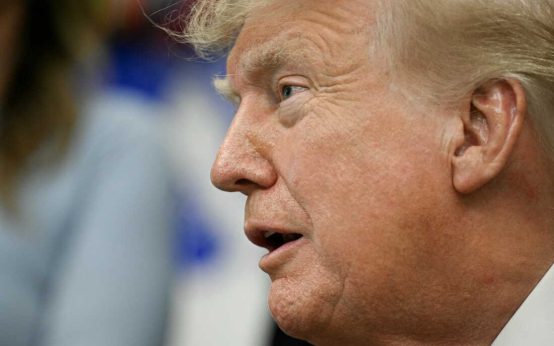 Trump Seeks Diplomatic Success at the U.N. Amid Challenges
 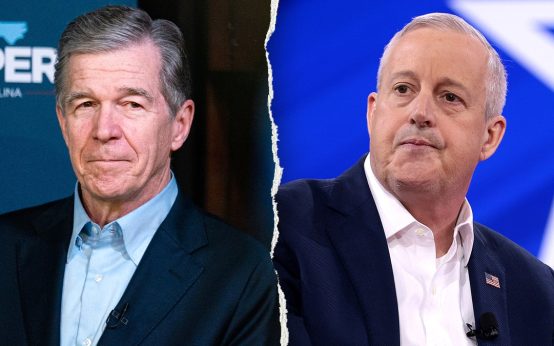 North Carolina Senate Race Influenced by Abortion Policy Messaging
 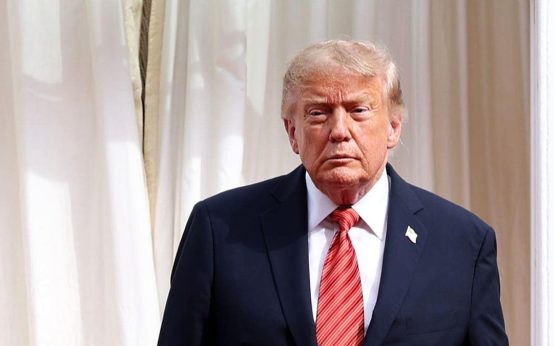 Trump Pressures Republicans on Filibuster Threat
 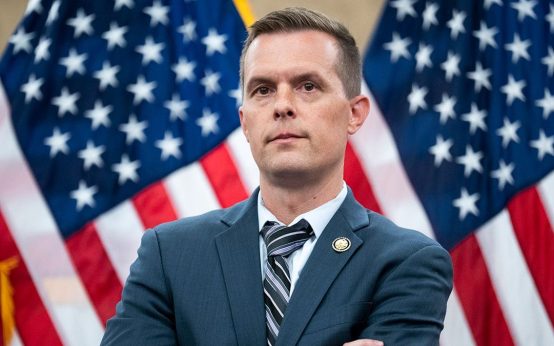 Rep. Golden Endorses Rep. Lawler for Re-election
  Public Perception and Political Impact of Data Centers
 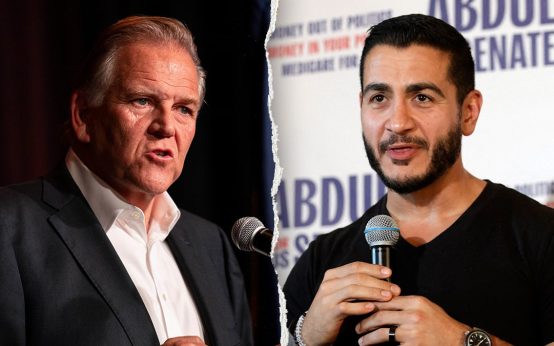 Jewish Democrats in Michigan Shift Support to GOP Candidate in Senate Race