
The United States and Iran initiated a new round of talks in Switzerland. These discussions were aimed at addressing the ongoing conflict between Israel and Hezbollah in Lebanon, which posed significant challenges to broader peace efforts, especially in maintaining free shipping through the Strait of Hormuz.
Vice President JD Vance traveled to Switzerland leading an American team, including President Trump’s special envoys Steve Witkoff and Jared Kushner. An Iranian negotiating team, led by Gen. Mohammad Bagher Ghalibaf, had already arrived. Vance expressed hopes of making progress on the nuclear issue and Lebanon cease-fire, although his departure was delayed, hinting at uncertainties in the talks.
Esmail Baghaei, the spokesman for Iran’s foreign ministry and delegation member, stated the trip aimed to ensure the other side’s commitments were being fulfilled. Iran signaled further negotiations would occur only if the U.S. maintained its end of the agreement.
The recent 60-day cease-fire agreement involved the U.S. ending the blockade of Iranian ports, while Iran promised unhindered shipping through the Strait of Hormuz. It temporarily lifted American sanctions on Iranian oil exports and released frozen Iranian assets. Crucial issues like Iran’s nuclear program await further discussion, although Iran has reiterated its commitment not to develop nuclear weapons and agreed to dilute its near-bomb grade uranium stockpile.
However, hostilities in Lebanon, involving Israeli forces and Hezbollah, an Iranian-backed militia, posed a major challenge. Despite Friday’s cease-fire agreement, tensions escalated with Israeli military actions resulting in casualties in southern Lebanon.
Iran claimed closure of the Strait of Hormuz due to ongoing Lebanon conflict. However, the U.S. military confirmed continued marine traffic and stated Iran does not control the strait.
Additional Developments:
- Pakistani Delegation: Pakistan sent a team to Switzerland, including Prime Minister Shehbaz Sharif and Field Marshal Syed Asim Munir, as an intermediary in U.S.-Iran talks. A Qatari delegation was also expected to join.
- Lebanon Strikes: The Israeli military attacked southern Lebanon after Hezbollah reportedly fired projectiles at Israeli forces.
- U.S.-Iran Talks: U.S. and Iranian officials were scheduled for peace talks in Switzerland, aiming to outline the preliminary deal to end the conflict.
Vice President Vance expressed intentions to focus on the nuclear issue and Lebanon cease-fire, hoping for progress in these negotiations.
The U.S.-Iranian agreement centered on cease-fire across all fronts, including Lebanon. However, neither Israel nor Hezbollah agreed to the pact, complicating peace efforts.
President Trump’s agreement with Iran left critical issues like missile programs and the Strait of Hormuz’s future unresolved. Baghaei warned negotiations on final agreements would only proceed once Iran trusted the U.S.’s commitments.
Continuing hostilities between Israel and Hezbollah raise challenges, with Iran accusing the U.S. of not controlling tensions according to the agreement.
Vice President Vance acknowledged the complexities of peace negotiations, underscoring the importance of progress on key issues.
 US Monitors Russian Pneumonic Plague Case
 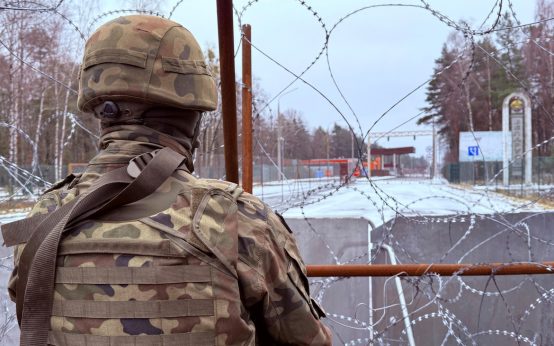 Poland Prepares for Potential Conflict Amid NATO Concerns
 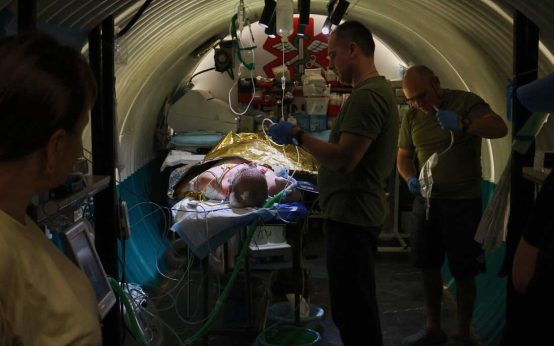 Drone Warfare Redefines Ukraine’s Frontline Conflict
 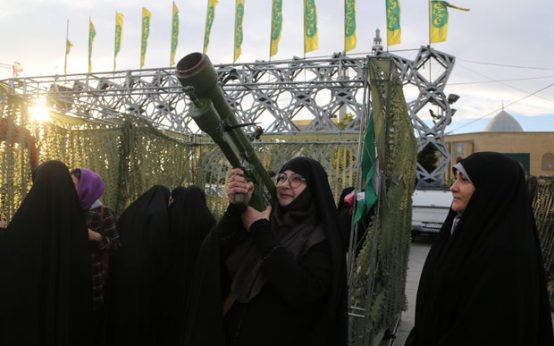 Key Developments in the Iran Conflict Affecting Global Oil Markets
 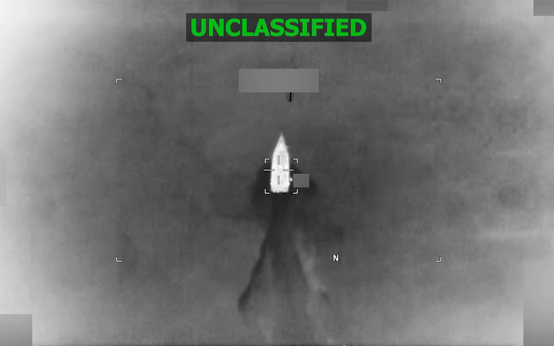 U.S. Military Strikes Vessel in Caribbean, Allegedly Involved in Drug Trafficking
  Australia Probes FlyDubai Co-Pilot’s Connections