Major League Baseball (MLB) and Pride Nights
Major League Baseball has been hosting Pride Nights to support and celebrate the LGBTQ community for years. By 2016, most MLB teams, except the Texas Rangers, held official Pride Nights. Initially, these events were seen as a way to recognize the acceptance of gay marriage legally and culturally in the U.S., despite ongoing opposition.
Evolving Concerns Around Pride Nights
Over the past decade, Pride Nights have expanded in focus, leading to significant debate. Advocates argue these events foster inclusion, while others, including many conservative Christians, express concerns about their increasingly political nature. The emphasis on various sexual orientations, preferred pronouns, and resources for exploring gender reassignment have raised questions.
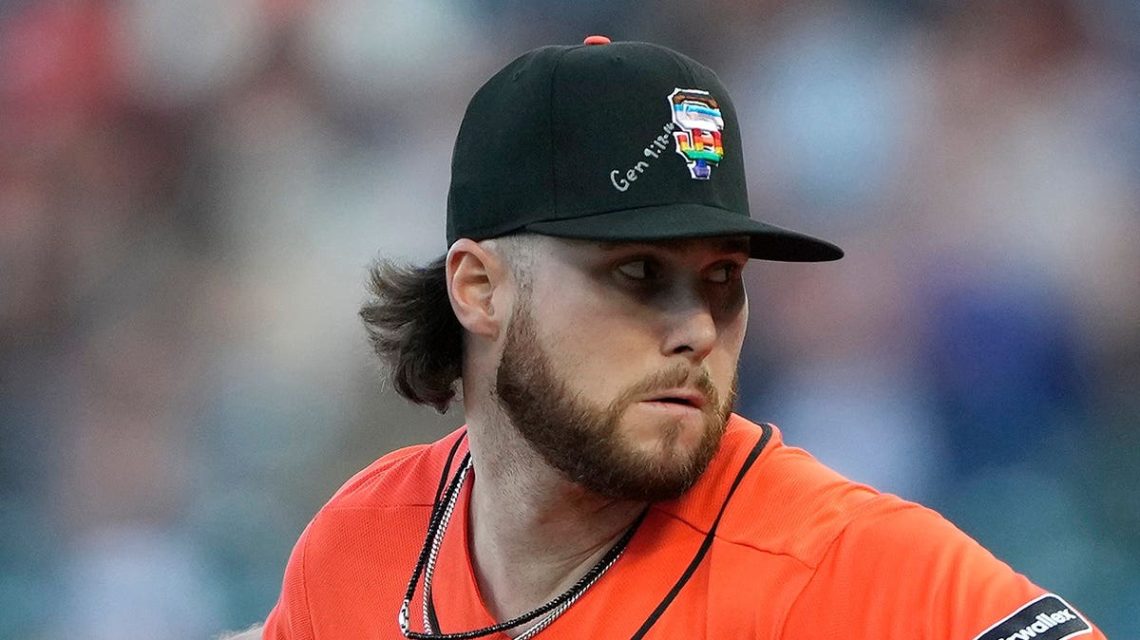
“Genesis 9:12-16” – San Francisco Giants pitcher Landen Roupp wrote on his Pride-Night hat.
Christian players like those on the San Francisco Giants have shown resistance, citing a conflict with their beliefs. The league’s response to such protests has sparked widespread discussion on the interaction between sports, politics, and religion.
Reasons to Reconsider Pride Nights
- Sports as a Neutral Platform: Baseball is traditionally viewed as a national pastime, transcending political divides. However, by promoting certain social causes, the league risks alienating fans who disagree. Many argue MLB should focus on being an entertainment venue rather than entering political debates.
- Player Participation: Many athletes feel pressured to partake in Pride Nights despite conflicting personal beliefs. An example highlighted is Blue Jays pitcher Anthony Bass, who faced repercussions for expressing his views on transgenderism. This raises concerns about the freedom of speech and religious expression within professional sports.
- Christian Concerns: Pride Nights conflict with the Christian definition of marriage and sexuality. Christians, like some Giants players, feel these events pressure them to conform to ideologies they don’t share.
- Family Considerations: Pride Nights introduce topics of sexuality and gender to what many believe should be family-friendly environments. Discussions about such themes, they argue, should be left to parents.
- Pride Movement Resembling Religion: Some see the Pride movement as having religious characteristics, with its own symbols and rituals. This perception adds to the complexity of Pride Nights being seen as tolerating one worldview over another.
Final Thoughts
The debate over Pride Nights reflects broader societal discussions about faith, identity, and the role of institutions in cultural conversations. Critics question whether MLB should be a platform for celebrating views that may not resonate with all players and fans. They suggest looking to the National Hockey League, which made changes to how it approaches similar events.
Ultimately, the call is for MLB to end Pride Nights in their current form or minimize them to smaller, community-focused gatherings, avoiding pressure on players and fans to overtly display support for specific ideologies.
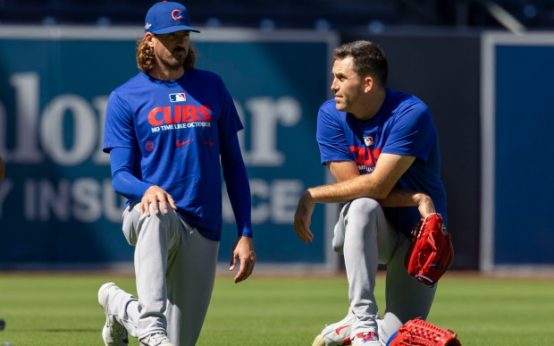 Cubs Rely on Matthew Boyd for Postseason Start Against Padres
  Late Field Goal Clinches Victory for Ravens over Cowboys
 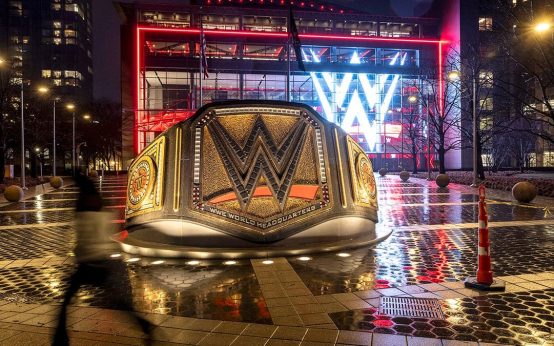 WWE’s New Partnership with Bleacher Report Promises Global Content Reach
 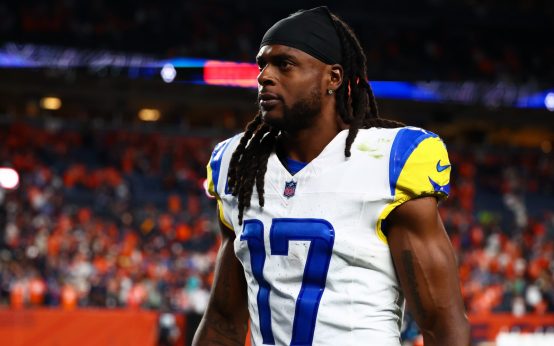 Rams Off to a Slow Start After Broncos’ Late Win
 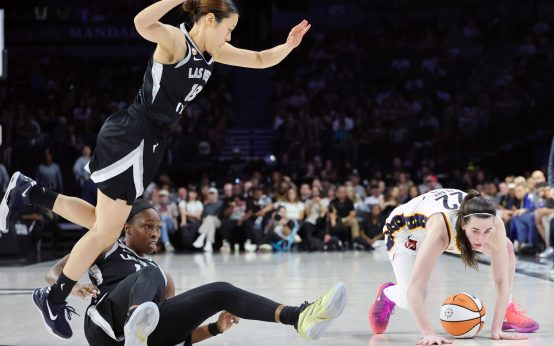 Caitlin Clark’s Return to WNBA Playoffs Faces Challenges Against Defending Champs
  Cam Schlittler to Lead Yankees in Wild-Card Series Against Red Sox