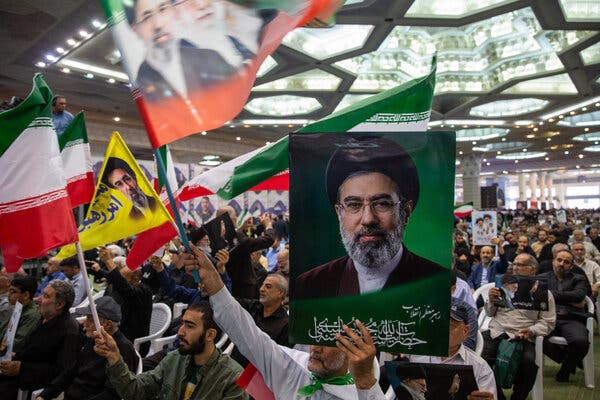
Ayatollah Mojtaba Khamenei, the supreme leader of Iran, has distanced himself from a recent agreement with the United States. He placed the responsibility on Iran’s president, Masoud Pezeshkian, highlighting that the agreement does not equate to meeting U.S. demands.
In a statement released on Thursday, Mr. Khamenei expressed his approval of the deal without formally agreeing to sign it. He mentioned that the agreement provides Iran with notable economic advantages, while discussions regarding its nuclear program are postponed.
“If the American side seeks excessive demands, Mr. Pezeshkian will not submit to them,” Mr. Khamenei noted, affirming President Pezeshkian’s resolve.
Mr. Khamenei acknowledged his authorization of the agreement due to President Pezeshkian’s acceptance of responsibility and his promise to safeguard Iranian rights and the ‘resistance front,’ likely referencing Hezbollah, a militant group allied with Iran and at odds with Israel.
Despite his endorsement of Iran’s diplomats, Mr. Khamenei criticized President Trump, claiming he agreed to the deal out of necessity.
By redirecting accountability for the agreement to Iran’s elected government, Mr. Khamenei emphasized the hybrid nature of Iran’s governance. This system entails both elected offices with limited authority and theocratic components, such as the supreme leader, who wields significant power.
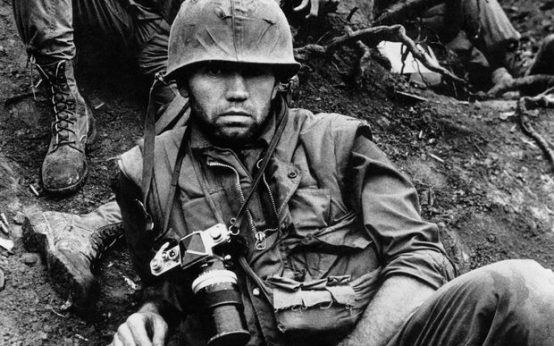 Don McCullin’s Final Book: A Pioneering War Photographer’s Legacy
 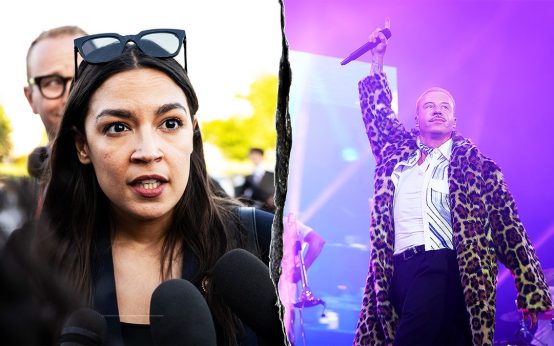 Rep. Alexandria Ocasio-Cortez Defends Macklemore Amid Tour Controversy
  Google Fined for Breaching EU Privacy Rules
  South China Sea Tensions Rise after Collision between Chinese and Philippine Ships
 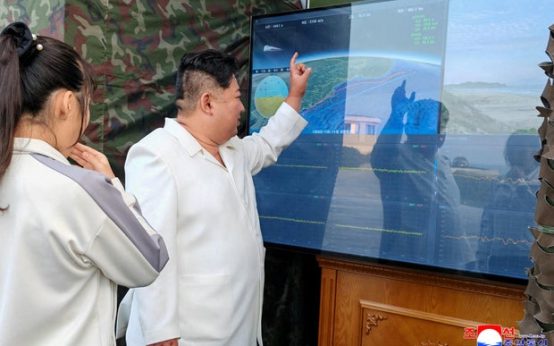 North Korea’s Hypersonic Weapon Test Amid Global Tensions
  Austin Tice: A Search for Answers