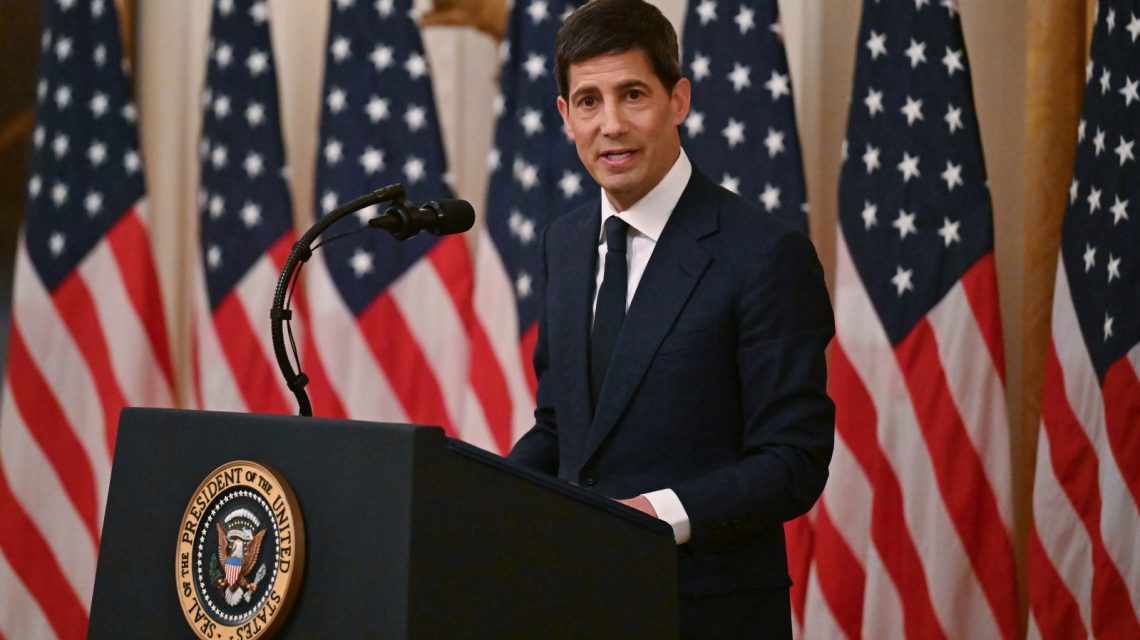
The Federal Reserve decided to maintain interest rates, marking the first significant policy decision guided by new chair Kevin Warsh. This decision frames the economic outlook in the upcoming months as policymakers grapple with persistent inflationary pressures.
Policy Environment and Implications
Warsh’s choice may attract scrutiny because Americans express growing concerns about living costs and economic direction. While half of Fed policymakers indicate potential support for a rate hike later in the year, quarterly projections reveal that nine out of nineteen officials now favor increased rates, a stark change from the March forecast. Six out of these nine advocate for two quarter-point hikes due to enduring inflation worries.
Interest Rate Impact
The Fed’s benchmark interest rate affects borrowing costs across the economy, including mortgages, credit cards, savings accounts, and auto loans. Higher rates often cool inflation but increase borrowing costs. Lower rates can facilitate spending and growth but risk higher prices.
Key Points:
- Wednesday’s decision stands out because it is Warsh’s initial rate decision as Fed chair.
- U.S. stock markets declined amid growing speculation about possible rate hikes.
Maintaining Rates Amid Economic Challenges
The Fed largely kept rates stable throughout 2026 after reducing them late in 2025. However, inflation reached around 4.2%, the highest in over three years, complicating efforts to lower borrowing costs. The U.S. economy showed resilience with strong job growth and consumer spending, despite international tensions.
Zero percent interest rates are not indicative of a healthy economy, remarked Drew Powers, founder of Powers Financial Group.
Warsh’s Initial Press Conference
Warsh introduced five task forces at his first press conference, aimed at reassessing key areas of monetary policy. He commented on removing forward guidance from Fed statements, citing unsuitability for the current policy environment. The policy statement now emphasizes factual analysis instead.
The Five Task Forces
- Fed Communications: Aims to review Fed interactions with the public and markets, including economic projections and meeting protocols.
- The Fed’s Balance Sheet: Evaluates benefits, risks, and mechanisms of the Fed’s asset portfolio, assessing alternative frameworks.
- Data Collection: Focuses on modernizing economic data gathering methods by considering new information sources.
- Productivity and Jobs: Surveys technological impacts on employment and price stability.
- Inflation Frameworks: Examines inflation drivers and ideas to ensure price stability.
Rate Decision and Economic Outlook
The FOMC voted unanimously to maintain the federal funds rate within a target range of 3.50% to 3.75%. Economic activity is expanding robustly despite uncertainty, driven in part by geopolitical conflicts.
Federal Reserve Statement:
Inflation, driven partially by sector-specific supply shocks, remains high relative to the 2% target.
Warsh updated the Fed statement significantly by trimming its length and removing immediate rate change indications.
Impact on American Consumers
The Fed’s decision could swiftly affect household finances, keeping borrowing costs elevated. Relief may be delayed:
- Nothing changes immediately on paper.
- Inflation remains monitored but does not offer relief to borrowers.
Michael Ryan, financial expert, interpreted no immediate rewards for savers and ongoing pressure on those with floating-rate debts.
Despite Warsh’s more dovish stance, agreeing on rate cuts within an inflationary environment remains challenging.
Warsh’s Perspective on Inflation
Warsh has adopted a complex view regarding inflation and interest rates. He gained recognition as an inflation hawk but also criticized slow rate interventions during crises.
Warsh emphasized central bank policies and confusing standards limiting economic growth.
He insists the Fed must prioritize price stability while fostering growth, highlighting the importance of wisdom, clarity, independence, and resolve.
Consumer Sentiment and Economic Concerns
Despite strong economic indicators, public sentiment remains weak. 44% of Americans report being worse off financially than a year before.
- 13.3% describe their financial situation as “much worse” since 2022.
- Inflation remains a pressing issue.
The gap between economic strength and consumer sentiment presents key challenges, explained Ryan.
Upcoming Federal Reserve Meetings
The Federal Reserve convenes eight times annually to set interest rates. The recent meeting took place in June 2026, with the next one scheduled for July 28-29.
Moving forward, data on inflation and economic growth will heavily influence rate decisions. The focus remains on whether Warsh’s leadership will uphold steady policies or initiate changes.
Increasing rates would further elevate costs for credit cards, mortgages, and other loans, noted Alex Beene, financial literacy instructor.