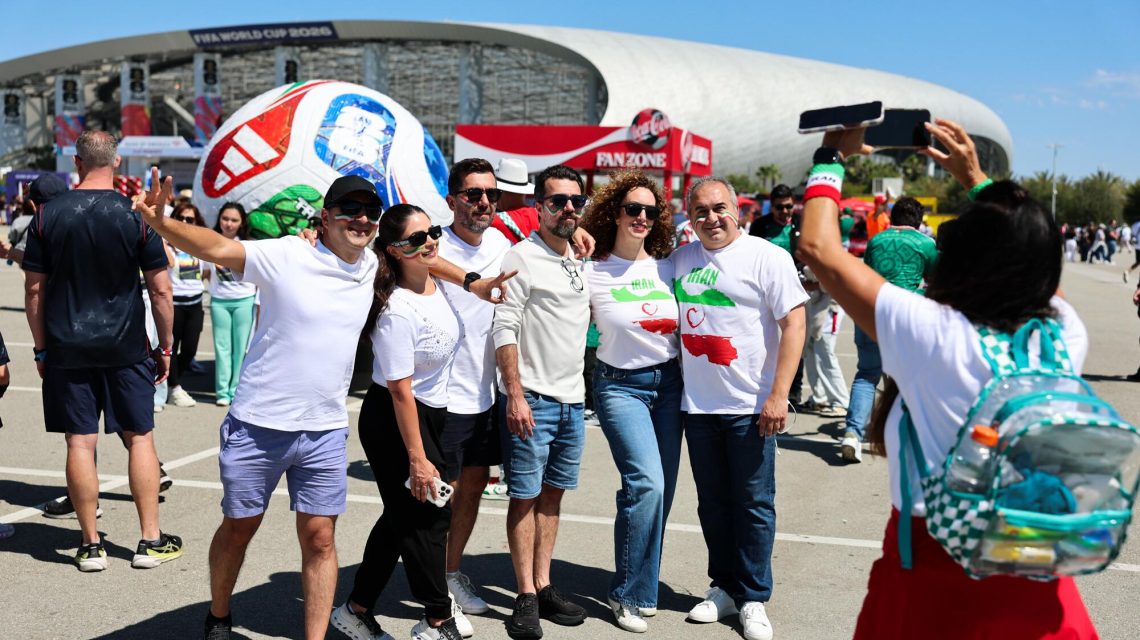
As Los Angeles prepared for the World Cup, there were concerns about immigration enforcement, travel restrictions, and anti-Trump sentiment affecting attendance and enthusiasm. Yet on the streets of L.A., a different story unfolded. Fans of diverse cultural backgrounds joined together, representing the city and world they wished to inhabit.
On the shuttle bus from downtown to Inglewood, people wore Farsi-emblazoned shirts and groups of smiling Kiwis gathered for the Iran-New Zealand match. Additionally, there were clusters of Argentina and Team USA jerseys with fans loudly supporting Mexico from the back of the bus. The atmosphere before the Iran vs. New Zealand game was joyous, despite Iranian players commuting from Tijuana due to travel restrictions enforced by the Trump administration.
Similar scenes occurred on the Metro K Line, as World Cup attendees shared stories about how they secured tickets, tips for navigating L.A.’s transit system, and memories of past tournaments. Ardy Salem, an Iranian American dentist from the Bay Area, remarked on the unity and joy seen at SoFi Stadium.
David Leon, a 32-year-old from Watts, initially opposed hosting the World Cup in Los Angeles. He feared that political tensions might deter international visitors. However, instead of apprehensive crowds, he witnessed tourists delighting in new cultural experiences like trying Waffle House or ranch dressing for the first time.
Leon emphasized how the event united people from various ethnic backgrounds, mentioning fans from Colombia, New Zealand, Iran, Germany, and Spain. He noted the joy the World Cup brought to his Mexican American community.
Before the World Cup, fears of Immigration and Customs Enforcement (ICE) presence loomed. SoFi Stadium workers even threatened to strike without assurances of ICE staying away. However, enforcement actions had not materialized, allowing fans like those in Watts to enjoy the games, call out of work for watch parties, and enjoy street festivities with eyes fixed on live game streams.
Yet, not all was jubilant. James Carling of Ventura regretted that travel restrictions prevented fans from attending. He acknowledged the difficulty the U.S. government imposes on visitors, highlighting the irony of fans from countries like Iran and Senegal unable to attend the matches their teams played in.
Inglewood was not devoid of tension. Conflicts arose between Iranian fans and protesters opposing Iran’s government. However, many Iranians relished the brief respite from geopolitics, enjoying soccer last Monday night.
In the stadium parking lot, David Arias from Inglewood connected with Kam Pirouz, an Iranian fan from Washington, D.C., traveling to see the game, noting how the restrictions led to players commuting from Tijuana. Arias, though ticketless, capitalized on the multicultural gathering by offering haircuts from his pop-up barbershop.
Fans filled Arias’s chairs, while Pirouz shared a seat with a Mormon missionary and an Egyptian fan, emphasizing the World Cup’s ability to unify people globally around a shared passion for soccer.
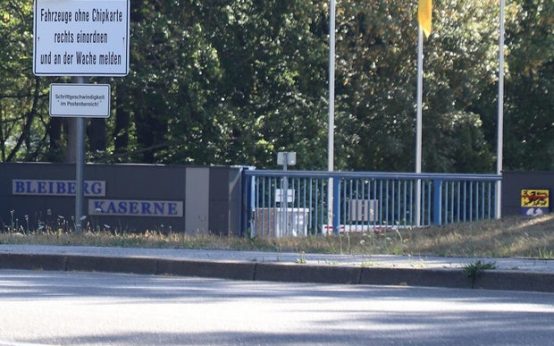 Drones Spotted Over German Military Base Amid Rising Tensions
 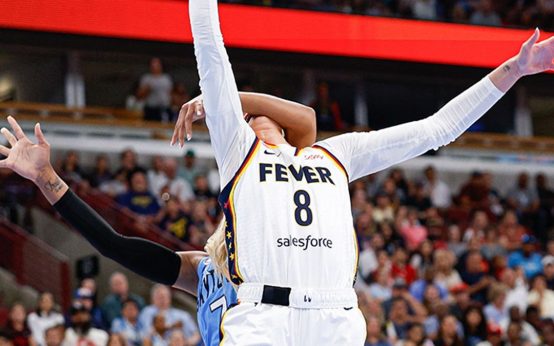 Tensions Rise as Sophie Cunningham Discusses Incident with DiJonai Carrington
 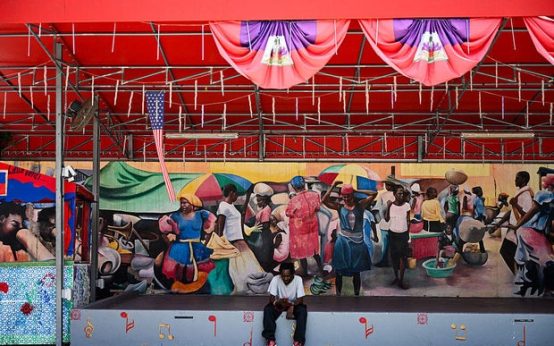 Haitian Nationals Face Deportation Risks as TPS Ends
  WNBA Faces Debate on Transgender Athlete Participation
  Minor League Team’s Jersey Giveaway Sparks Laughter
  LIV Golf Event at Trump National Golf Club Bedminster