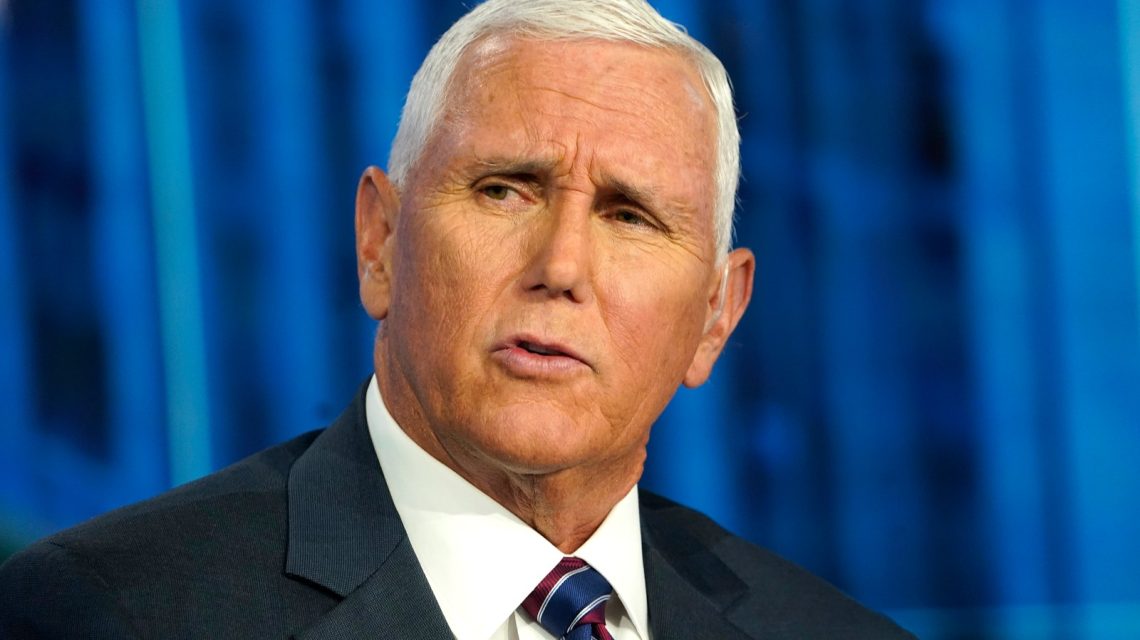
Former Vice President Mike Pence cautioned that concessions reported to be given by the U.S. to Iran could be more than a mistake, labeling them as a potential “lifeline” for Tehran. In an interview with CNN’s Kaitlan Collins, Pence highlighted his support for a historic U.S. strike on Iranian nuclear sites, a decision by former President Donald Trump that Pence said improved national security. He noted it was the first direct action taken by a U.S. president against Iran in decades.
Pence criticized the memorandum of understanding details, suggesting they resembled appeasement. He urged Trump to remain resolute against Iran, arguing the timing is inappropriate to retract. Newsweek sought comments from the White House but had not received a reply by Tuesday night.
What To Know
Pence stated that the Trump administration was initially correct to pursue diplomacy post-strike. When asked if he believed the agreement was an error, Pence said, “Well, it’s much bigger than a mistake.” He emphasized the positive impact of the military operation and expressed concerns over immediate concessions, particularly regarding sanctions waivers. He advised maintaining pressure, keeping blockades, and using armed forces if necessary.
Pence echoed criticisms from Iran deal skeptics who worry the agreement might empower Iran without addressing nuclear activities effectively. He suggested that Iran should be convinced of defeat for successful negotiations and that military intervention by the U.S. and allies might be required.
Details of the Reported Deal
Bloomberg News reported a draft 14-point memorandum citing commitments by the United States and Iran for an immediate and lasting ceasefire. It includes a 60-day negotiation window aimed at reaching a comprehensive agreement. The draft outlines the U.S. lifting naval blockades, offering sanctions waivers for Iranian oil, and collaborating on a $300 billion economic development plan.
Notably, there is conflicting information about the reconstruction fund. Vice President JD Vance, speaking on Fox News, insisted that no U.S. funds should go to Iran. The draft also mentions potential removal of various sanctions, with Iran agreeing not to produce nuclear weapons and to address nuclear concerns in a final agreement.
This agreement strives to maintain the status of Iran’s nuclear program during negotiations.
President Trump highlighted recent progress towards ending Middle Eastern conflicts. Via Truth Social, he described improved security for oil transport through the Strait of Hormuz. He reiterated Iran’s commitment to renouncing nuclear weapons and dismissed accusations about the U.S. funding Iran as false.
Rajan Menon of City College of New York commented to Newsweek that Iran’s stance on nuclear weapons is longstanding. He noted this stance predates the recent memorandum and has been documented in the 2015 JCPOA.
Trump disclosed the U.S. actions to allow safe passage through the Strait of Hormuz and the lifting of the naval blockade.
 Israeli Leader’s Upcoming U.N. Assembly Speech Marked by Controversy
  Republicans Call for Quick Resolution to Iran Conflict
  United States Secures Arctic Defense Pact
  Senator Warren Seeks to Restrict Private Equity in Restaurant Chains
  Marco Rubio’s Expanding Role in Trump Administration
  Byron Donalds Adjusts Campaign Strategy as Florida Governor Race Intensifies