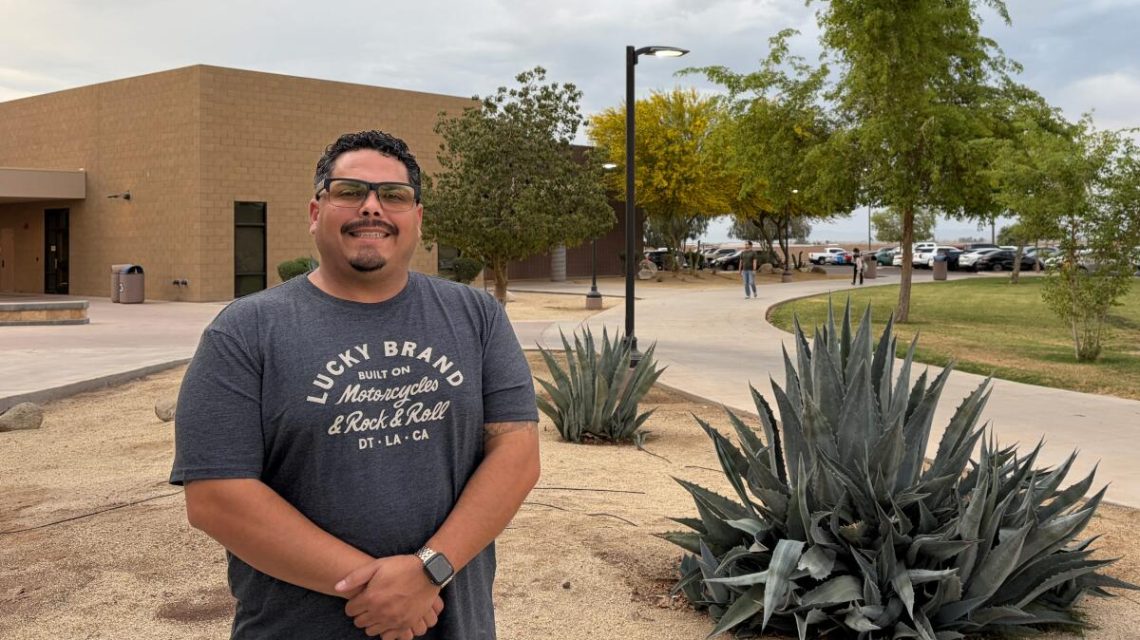
Imperial Valley College introduced a training program aimed at preparing students to become plant operators and technicians in the lithium industry. Corban Dillon enrolled with hopes of benefiting from this initiative. Despite completing the certificate in spring 2024, finding lithium-related jobs proved challenging. Dillon continued his education with two more programs but found lithium job opportunities scarce.
“Many of us have jobs or families and manage these responsibilities while pursuing certification,” Dillon, 41, commented. “Without immediate job prospects, continuing is difficult.”
This situation highlights a dilemma for community colleges: residents desire the jobs a new industry brings, while companies require a skilled workforce. Colleges, like Imperial Valley, struggle to time program launches effectively, ensuring students are prepared when jobs are available.
Betony Jones, a researcher at the UC Berkeley Labor Center, explained that this challenge is common. Sectors such as solar and advanced manufacturing face similar uncertainties due to political and economic reasons.
Imperial County, with high poverty and unemployment rates, places immense value on job opportunities. Unemployment was at 16.9% in March, triple the rate of surrounding counties. Priscilla Lopez, the county’s workforce director, emphasized the need for local opportunities to retain residents.
About a decade ago, lithium reserves attracted companies to the region, leading to job expectations. The area branded itself as “Lithium Valley.” Berkshire Hathaway Energy Renewables projected commercial extraction by 2026 but has only completed a demonstration plant. Controlled Thermal Resources is still raising funds, and the extraction jobs seem at least two years away.
Lithium is vital for storing wind and solar energy. It powers electric vehicles, with an estimated 18 million metric tons of lithium carbonate beneath the Salton Sea, enough for 375 million electric car batteries.
Education institutions in the region reacted swiftly. San Diego State, supported by $80 million in state funding, developed a new STEM campus. This aims to meet geothermal and lithium industry needs. John McMillan of the university highlighted new degree programs in engineering and chemistry designed for these sectors.
Imperial Valley College secured U.S. Department of Energy funds for its Lithium Industry Force Training program. The program offers three certificates: plant operator, chemical lab technician, and instrumentation technician. Each requires two semesters and includes courses in chemistry, math, hazmat training, and plant operation.
The college promotes these certificates as entry points into the lithium field. “Are you ready to launch your career in the booming lithium industry?” asked a promotional video in 2024, showcasing the chemical lab technician certificate as an opportunity.
Residents eager for stable employment responded. George Prieto enrolled in the plant operator program, marking his introduction to higher education. Prieto, 48, has worked in retail and DJs on weekends. He now interns at a local utility.
“These local jobs give us a chance,” Prieto shared. “We don’t have to leave our area for work.”
Delayed timelines are attributed to a 2024 lawsuit by environmental groups. Changing politics and market factors also influence outcomes. The lawsuit claims Imperial County underestimated environmental impacts, leading to legal challenges. Although a court dismissed the case, environmental justice groups have appealed.
Federal policies have shifted attention to lithium projects in other states. Near the Salton Sea, companies diversified focus to include data centers. In late 2024, state energy officials warned that “Lithium Valley” might not succeed, as federal funding leans toward other states.
Leadership at San Diego State voiced concerns about student prospects. Progress in “Lithium Valley” needs acceleration to prevent graduates from facing limited job opportunities.
Imperial Valley College continues producing industry-trained graduates. Initially, programs were aligned with industry growth timelines. Lennor Johnson of the Imperial Community College District expressed unmet expectations but remains optimistic about full operations.
Since fall 2023, 173 students have enrolled in these programs. Of them, 42 completed certificates, and 57 remain enrolled. So far, only 16 graduates have secured related employment. The college plans to resume programs aligned with industry job growth predictions for 2027-28.
Prieto hopes his certificate will be adaptable to other fields, while Dillon feels confident that the substantial lithium reserves will eventually expand the industry. Dillon now works full-time for a mining company; the role includes pay, benefits, accommodation, and a company vehicle, though it is not based in Imperial County.
 Remote Work Benefits Students and Societies Alike
  Implications of Stripping Tax-Exempt Status from Schools Engaging in Racial Admissions Policies
  Challenging Inappropriate Books: The Struggle Against Criticism
  AI’s Impact on College Admissions Jobs
  Community Colleges in Chicago Prepare for AI’s Role in Workforce
  Sunny Hostin Discusses Challenges of Racism in Private Schools