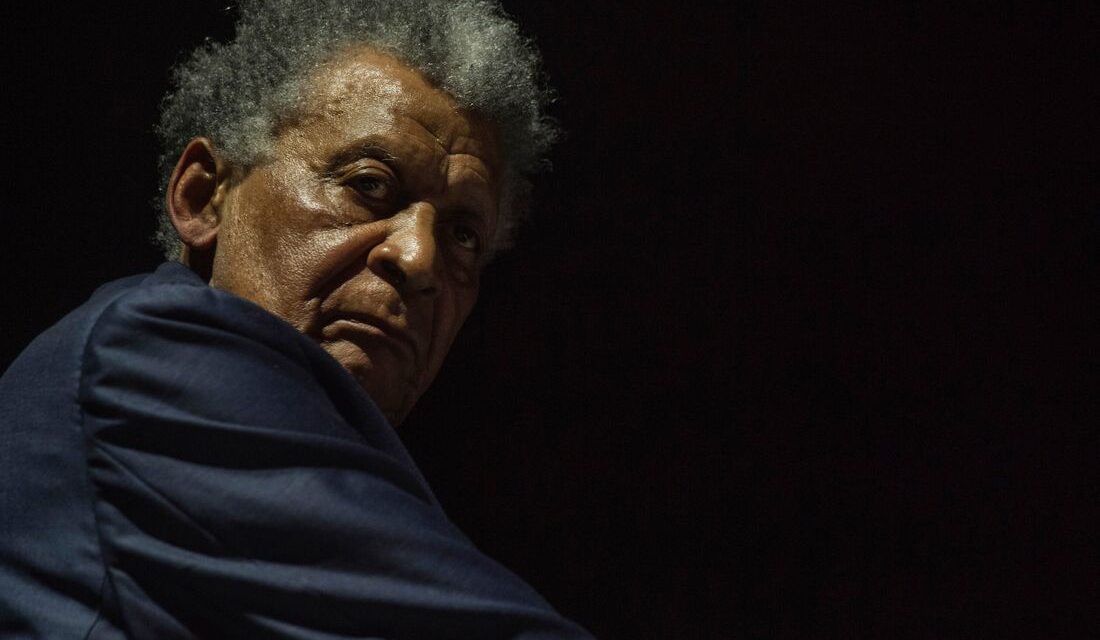
Abdullah Ibrahim, a renowned South African jazz pianist, passed away at age 91 in Germany after a short illness. Often compared to Mozart by Nelson Mandela, Ibrahim’s love for South Africa remained steadfast throughout his life.
His career spanned eight decades, introducing bebop styles to South Africa. Ibrahim formed bonds with Duke Ellington, who produced one of his early influential recordings. He later inspired new generations of jazz pianists.
Early Life and Career
Born Adolph Johannes Brand in 1934, Ibrahim’s musical journey began with piano lessons at age 7, influenced by his pianist mother. At 15, he was already playing professionally under the name Dollar Brand. By the late ’50s, he had formed the Jazz Epistles with trumpeter Hugh Masekela.
In 1960, the group recorded “Jazz Epistle Verse One,” the first jazz album by an all-Black South African ensemble. Despite the lack of explicit political messaging in their music, the government harassed them after the Sharpeville massacre.
International Influence
Ibrahim’s European move in 1963 led to his meeting with Ellington through Sathima Bea Benjamin, whom he later married. Ellington’s production of “Duke Ellington Presents the Dollar Brand Trio” increased Ibrahim’s prominence.
His concerts often conveyed a sense of intimacy and meditative mystery. Pianist Vijay Iyer admired Ibrahim’s fearlessness with quiet and his surreal composure.
Impact on South African and Global Jazz
Nduduzo Makhathini discovered Ibrahim’s sounds during his youth, captivated by the blend of familiar local traditions and global jazz influences.
After marrying in 1965, Ibrahim moved to the U.S., featuring at the Newport Jazz Festival and leading the Duke Ellington Orchestra in 1966. A Rockefeller Foundation grant in 1967 enabled him to study at Juilliard, forming connections with jazz greats like Max Roach and Ornette Coleman.
In 1968, Ibrahim converted to Islam, adopting his current name. His style evolved to incorporate South African elements, highlighted by his 1974 composition “Mannenberg,” a signature piece smuggled to Nelson Mandela on Robben Island.
Recognized as the unofficial national anthem, “Mannenberg” influenced Ibrahim’s political expressions, supporting the African National Congress during the Soweto uprising in 1976.
Later Career and Legacy
Throughout the ’80s, Ibrahim maintained international prominence. His performances in New York City, particularly with saxophonist Carlos Ward, inspired Kenny Barron’s composition “Song for Abdullah.”
Ibrahim’s influence bridged generations, with pianists like Makhathini drawing inspiration from his work. Iyer noted Ibrahim’s effect in shaping eclectic jazz forms akin to Herbie Nichols.
Ibrahim contributed music to films “Chocolat” and “No Fear No Die” and was the focus of documentaries detailing his life and artistic impact.
Honors and Reflection
Ibrahim continued to create celebrated records, earning an NEA Jazz Masters Fellowship in 2018. In 2019, he recounted advice from Duke Ellington to the Wall Street Journal, emphasizing the importance of presenting both new and old material with fresh perspectives.
Reflecting on his career, Ibrahim shared, “If you are on a long road and you finally think that you have accomplished something… the quest inevitably and necessarily goes on.”
 Elizabeth Hurley’s Behind-the-Scenes Photos Highlight Diamond Ring
 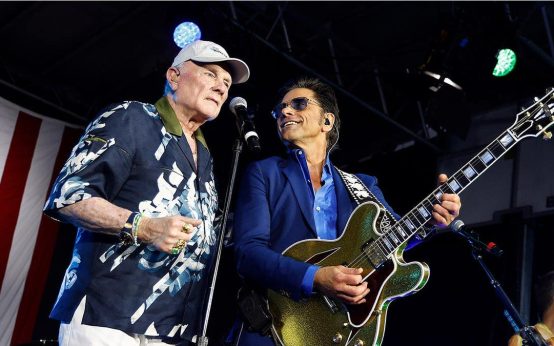 John Stamos Shares Emotional Tribute to Beach Boys’ Mike Love Amid Health Challenges
  Sydney Sweeney’s Ad Sparks Debate Amidst Powerade’s Response
  Exploring Humor in ‘The Two Saddest Kitchens’ by Roz Chast and Jason Adam Katzenstein
 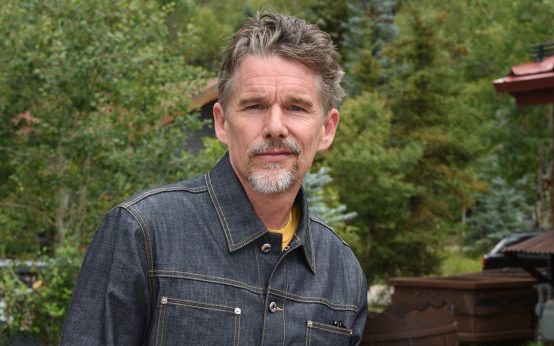 Ethan Hawke on Challenges in Hollywood
 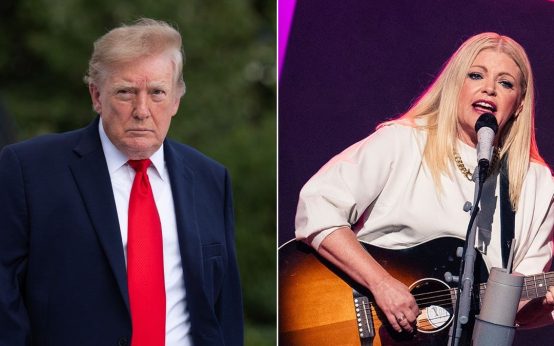 White House Responds to Natalie Maines’ Comments on Trump