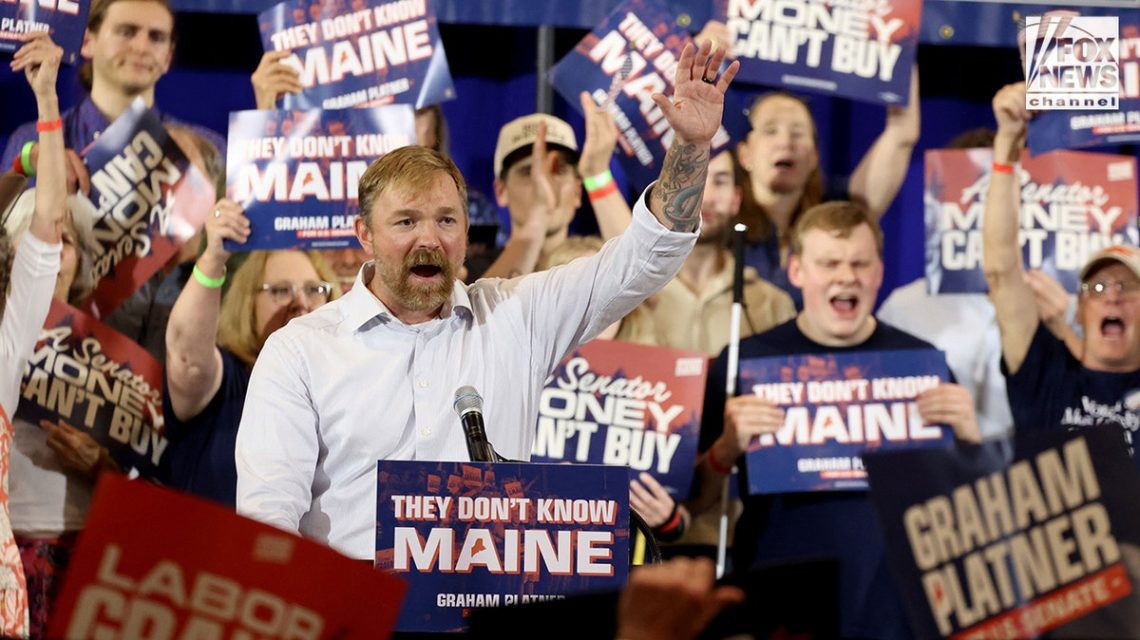
Some individuals prefer classic products like Coca-Cola or the original Reese’s recipe. Meanwhile, others embrace political dilemmas. The New York Times reporter Jodi Kantor discussed on CNN why Democrats are supporting Maine senatorial candidate Graham Platner despite numerous allegations against him. Kantor’s statement highlights the complex nature of these accusations compared to other MeToo cases.
Kantor, known for her Pulitzer Prize-winning coverage of Harvey Weinstein, explained why some liberals continue to back Platner. A former girlfriend accused him of physical abuse, claiming he locked her in a room overnight. He also faces accusations of inappropriate texting and dismissive behavior towards rape victims.
Kantor clarified that these accusations differ from traditional MeToo cases, which typically involve workplace harassment. She noted these allegations arose from consensual relationships, adding that the claims involve sensational texts rather than public misconduct. Kantor emphasized, “These are not classic abuse allegations.”
Kantor noted that allegations involved previous relationships and not workplace dynamics.
Platner, celebrated by some Democrats, faced other controversies beyond abuse accusations. These include allegedly mocking a wounded veteran, belittling rural individuals, and expressing controversial political views.
Previously, Kantor did not differentiate between traditional and newer forms of MeToo allegations. She highlighted the bipartisan nature of the movement, referencing figures like Al Franken and Brett Kavanaugh, suggesting that politicized discussions hinder constructive conversations.
Media personalities like “The View” co-host Sunny Hostin have added to the debate, suggesting strategic voting can outweigh moral reservations. Hostin argued for prioritizing power to regain control of political institutions.
The controversy surrounding Graham Platner offers a glimpse into the complexities of political and ethical decision-making. With ongoing support from several Democrats, it highlights the tensions between principle and gain in today’s political landscape.
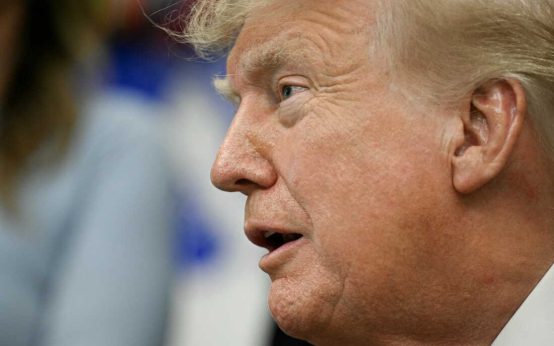 Trump Seeks Diplomatic Success at the U.N. Amid Challenges
 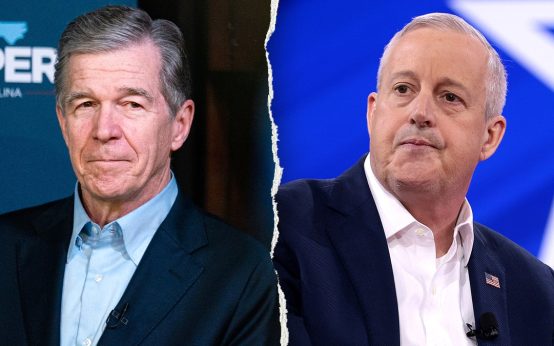 North Carolina Senate Race Influenced by Abortion Policy Messaging
 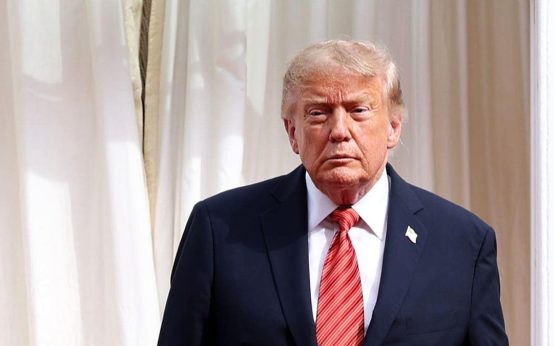 Trump Pressures Republicans on Filibuster Threat
 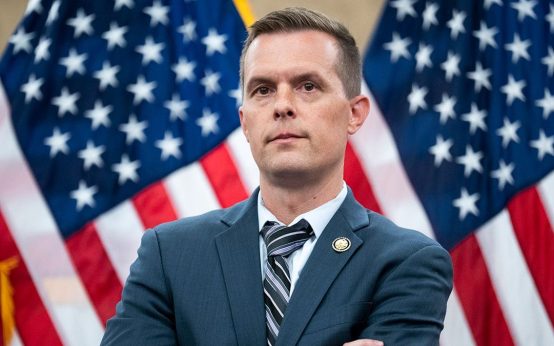 Rep. Golden Endorses Rep. Lawler for Re-election
  Public Perception and Political Impact of Data Centers
 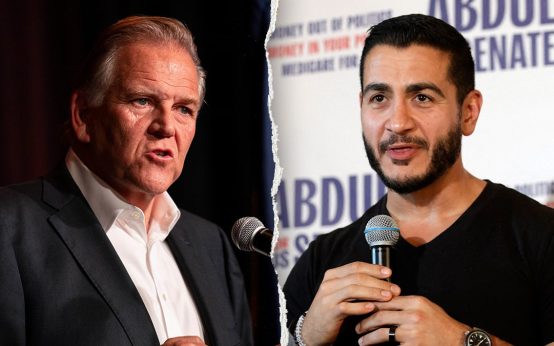 Jewish Democrats in Michigan Shift Support to GOP Candidate in Senate Race