Concerns of Pollution in Town of Pines
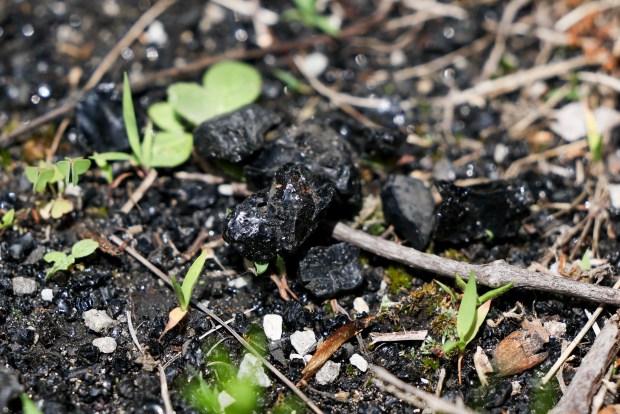
In the Indiana town known as Pines, residents like Cathi Murray see coal ash remnants from the nearby Michigan City Generating Station affecting their environment. In her herb garden, alongside Colorado Avenue, she uncovers pieces of coal ash. These are reminders of the contamination that has been a part of her life for over 30 years in this town. According to the U.S. Environmental Protection Agency (EPA), Northern Indiana Public Service Co. spread excess coal ash for various community projects. Such ash contains heavy metals, often linked to health issues like cancers and neurological disorders, as reported by the National Institute of Health.
Background on Coal Ash Disposal in Pines
Until the 1990s, the power company dumped over a million tons of coal ash in a site without a protective liner, affecting the groundwater of this small community of 700. Though declared a Superfund site more than 20 years ago, pollution remains a significant concern. Lisa Evans of Earthjustice emphasizes that rectifying this issue is a lengthy process.
Impending Regulatory Rollbacks
The EPA is considering rolling back crucial coal ash regulations established in 2024. Potential changes include delays in cleaning active sites and looser controls on coal ash reuse, raising concerns especially near Lake Michigan and other Great Lakes. An Earthjustice report notes that about 88 coal ash disposal sites lie within two miles of the Great Lakes.
Contrast in State Regulations
In contrast, Illinois has stricter legislation for coal ash handling. Yet, legacy sites, like those in Waukegan, fall outside current regulations. Legal challenges have led to certain cleanup efforts statewide, but potential federal rollbacks could disrupt these advancements, warns Earthjustice’s Jenny Cassel.
A National Problem
Debra Shore, former EPA official, highlights that inconsistent regulations may lead to varied protection levels across states. Under the 2024 rule, utilities took steps towards correcting environmental issues, a momentum Shore fears is now reversing. The EPA defends its proposal, citing a “common-sense approach” balancing economic and environmental needs
Environmental Legacy and Regulations
Coal ash, the residue from coal-burning, contains harmful contaminants like arsenic and mercury. The EPA’s nationwide regulations came about in response to a major 2008 spill. Despite progress since, older disposal sites often escaped scrutiny. Indiana hosts the most coal ash sites nationally, with many within floodplains.
Future Concerns
Activists like Ashley Williams highlight risks at sites such as Michigan City’s seawall, used to prevent coal ash from entering Lake Michigan. Legislative changes could further delay accountability for contamination spread.
Community Responses and Concerns
Local advocates like Mayra Mendez, founder of Clean Power Lake County, urge attention to legacy sites like Waukegan’s coal ash ponds. Courts have pushed for accountability, but federal rollback threats persist.
The Implications for Communities
Environmental groups fear that changes in defining “beneficial use” of coal ash may lead to more Pines-like contamination elsewhere. Pines residents remain affected by long-standing environmental damage. Cathi Murray, recounts personal health concerns suspected from coal ash exposure. Recent legal settlements enforce cleanup efforts but fail to mend past damage fully.
As the EPA prepares for its final decision, advocacy continues. Environmentalist Williams stresses that the ongoing struggle requires persistence, even though challenges ahead may seem daunting at times.
 Impact of New Tariffs on Green Energy Transition
  Cornell University Implements Ban on Processing Wild Game in Campus Kitchens
  Lake Mead’s Historic Low Water Levels Highlight Colorado River Crisis
  Impact of Saharan Dust on U.S. Weather
  Hanoi’s Urban Transformation: Growth and Challenges
  Grayslake Residents File Lawsuit Against Data Center Project