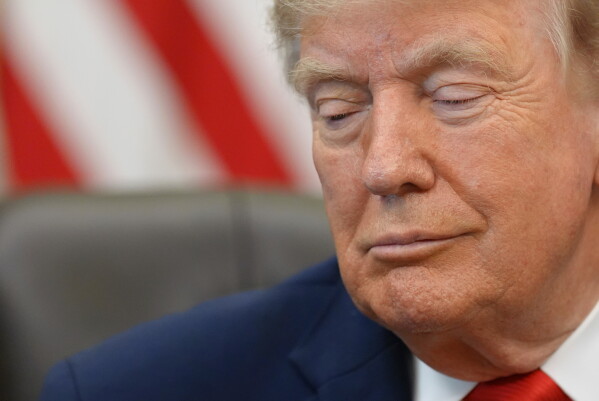
U.S. stocks experienced their strongest performance in two months as oil prices declined, following President Donald Trump’s decision to withdraw his threat of bombing Iran. This move has fueled optimism for a deal that could restore global oil distribution.
Stock Market Rallies
The S&P 500 increased by 1.8%, recovering from consecutive declines that had brought it back to early May levels. The Dow Jones Industrial Average surged by 929 points, or 1.9%. The Nasdaq composite index climbed 2.5%.
The market turned upwards midday after Trump announced through social media that discussions with Iranian leadership had advanced to the highest level and a signing location and time would soon follow.
Implications of a Potential Iran Deal
An agreement could reopen the Strait of Hormuz, facilitating crude oil flow from the Persian Gulf to worldwide markets. The price of U.S. crude oil dropped 2.6% to $87.71 per barrel, while Brent crude fell 2.9% to $90.38, remaining above the pre-war price of around $70.
Inflation Concerns and Interest Rates
High oil prices linked to the Iran conflict contributed to inflation, with May seeing wholesale prices rise more than expected. This global issue prompted the European Central Bank to raise interest rates to control inflation, affecting economies and asset prices.
Concerns about inflated investments in the artificial-intelligence sector have led to significant movements in AI stock prices. Notably, Marvell Technology’s shares rose by 11.1% after volatile recent performance.
Federal Reserve and Bond Market Reactions
The bond market saw Treasury yields drop significantly as falling oil prices alleviated inflation pressure. The 10-year Treasury yield decreased to 4.45% from 4.55% the previous day, reflecting a substantial shift.
A sustained decrease in oil prices could lead the Federal Reserve to maintain its interest rate, contrary to previous expectations of an increase due to strong inflation and employment data. There is potential for rate cuts depending on inflation trends.
Small Companies and Overseas Markets
Easier interest rates benefit smaller companies reliant on borrowing. The Russell 2000 index, representing smaller U.S. stocks, rose by 3%.
International markets also showed mixed results, with moderate index increases in Europe and varied performances in Asia. London’s FTSE 100 grew by 0.5%, while Hong Kong’s Hang Seng decreased by 0.7%.
 Fire Destroys Adolf Hitler’s ‘Eagle’s Nest’ Retreat, Suspect Detained
  Russian Influence Tactics Target U.S. Elections
  Water Crisis and Humanitarian Struggles in Taiz Amid Houthi Siege
  Fire at Hitler’s Mountain Retreat Leads to Arrest in Germany
  Paris Museums Close Amid Nationwide Protests in France
  Tan Mom’s Encounter with ICE Agents Stirs Controversy