U.S. producer prices increased last month at the quickest rate since November 2022. This was primarily due to a significant rise in energy prices following the onset of the Iran war. The Labor Department revealed Thursday that its producer price index, which measures inflation before reaching consumers, rose by 6.5% from May 2025. The index also increased by 1.1% from April, mirroring the rise seen the previous month.
Wholesale gasoline prices shot up over 23% from April to May, with a near 70% increase from a year earlier. Inflationary pressures, exacerbated by the energy shock from the Iran war, are troubling Americans five months ahead of midterm elections that will decide if President Donald Trump’s Republicans retain full control of Congress. Although gasoline prices have recently been declining, the average cost of regular gasoline has remained above $4 since March, as reported by motor club AAA. The U.S. driving season, which traditionally raises prices, has just started.
When excluding the more volatile food and energy prices, core wholesale prices increased by 0.4% from April and 4.9% from May 2025. The release of wholesale inflation figures came a day after the Labor Department reported a 4.2% rise in consumer prices in May compared to a year prior, marking the largest increase in three years. Gasoline prices surged nearly 41% from May 2025, while airfares rose by almost 27%. Inflation is far exceeding the Federal Reserve’s 2% target. The Federal Reserve is expected to maintain its benchmark interest rate unchanged in its upcoming meeting. However, financial markets anticipate a potential rate hike by the end of the year to control rising prices.
Wholesale prices can provide an early indication of future consumer inflation trends. Economists monitor these figures closely, particularly components like health care and financial services, which contribute to the Federal Reserve’s preferred inflation measure, the personal consumption expenditures (PCE) index.
Stephen Brown, chief North America economist at Capital Economics, noted that producer prices impacting the PCE price calculation exceeded expectations. He commented, “It supports our view that the Fed will hike interest rates toward the end of the year.”
Following attacks by the United States and Israel on February 28, Iran closed the Strait of Hormuz, leading to an unprecedented disruption in oil supplies and causing energy prices to soar. S&P Global Energy cautioned Thursday that U.S. crude oil inventories are depleting as the summer driving season nears. Aaron Brady from S&P Global Energy stated, “The bottom line is that U.S. inventory levels remain above estimated minimum operating thresholds. However, with continued disruption to Middle East flows, draws are likely to extend into the third quarter, even in the event of a near-term diplomatic resolution.” Significant, prolonged inventory drops might indicate a potential entry into a ‘danger zone’ for the U.S. refining system.
 Mitch Landrieu Considers Presidential Run Amid Shifting Political Landscape
  A Closer Look at the Pentagon’s Office of Strategic Capital
  News Outlets Fight White House Ban in Federal Court
  The Department of Homeland Security Urges Migrant Caravan to Avoid U.S. Border
  Adam Brody’s Discussion on Political Activism and Israel-Palestine Conflict
 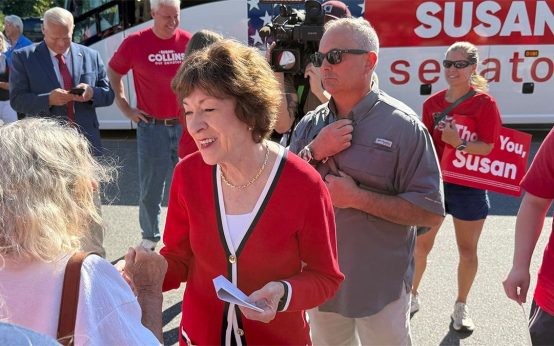 Senator Collins Unfazed by Vandalism Incident Amidst Senate Race