Last year, Chicago reported the lowest number of violent crimes in six decades. However, this year tells a different story. While other cities continue reducing crime, homicides in Chicago increased by 7% as the summer season approaches, a time noted for heightened violence. With the end of federal pandemic relief, Chicago faces economic challenges compounded by remote work impacting downtown businesses. This situation necessitates maximizing resource efficiency.
Chicago allocated $100 million to community violence interventions (CVI). These are strategic investments designed to curb interpersonal conflicts that often escalate to shootings. CVI focuses on preventing violence through street outreach, mentoring, jobs programs, and case management initiatives.
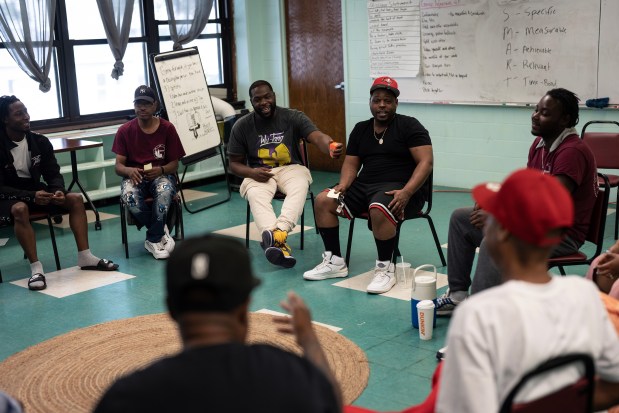
Cognitive behavioral interventions (CBI) could enhance the effectiveness of CVI efforts. Evidence comes from the in-depth interviews I helped conduct with 99 men from the highest-violence neighborhoods in Chicago. These men participated in READI Chicago, a significant CVI program offering high-risk individuals subsidized employment, cognitive interventions, and support from outreach workers over 18 months. Many participants had experienced arrests and violence, with one revealing how gun violence at 17 changed his worldview, making him perceive ambiguous interactions as threats. Through READI, he learned to reconsider his initial reactions, a core principle taught in cognitive behavioral interventions.
Another participant shared how exposure to violence limits perceived conflict resolution options. After a friend’s murder, his initial reaction was revenge. However, READI helped him see alternatives that avoided further violence. This change in mindset is crucial, as the program teaches that acts of violence aren’t inevitable. They are responses shaped by past experiences, which can be adjusted with proper guidance.
One key insight from interviews: many participants identified with their violent pasts. One man believed his identity was rooted in the harm he caused. READI helped him recognize these were responses to past traumas, such as losing loved ones to violence. Participants realized they could redefine their self-image and actions. In fact, 70% viewed READI as an opportunity for personal growth rather than just an anti-violence or employment initiative.
Evidence supports the program’s effectiveness. A randomized controlled trial showed a 65% reduction in shootings and homicide arrests among participants. While the program costs $60,000 per participant, societal savings from reduced hospitalizations, incarcerations, and violence-related losses are significant, ranging from $4 to $18 per dollar spent.
Similar interventions like Becoming a Man (BAM), Choose to Change, and One Summer Chicago Plus demonstrate substantial youth crime reductions. The next step is ensuring the systematic application of these cognitive skills across all CVI programs in Chicago. This approach promises consistent quality and increased efficacy without incurring additional costs — a practical, evidence-based strategy to address violence.
Megan Kang, a sociologist at Johns Hopkins School of Government and Policy, contributes to research affiliations with the University of Chicago Crime Lab. She co-authored “Social Cognition and Interpersonal Violence” with Kathryn Edin, Jens Ludwig, Timothy Nelson, and Sendhil Mullainathan.
Submit letters to the editor, up to 400 words, by emailing [email protected].
 States Tighten Regulations on Tianeptine, Known as ‘Gas Station Heroin’
  Medicare Lab Test Payments: Upcoming Changes and Their Implications
  Gen Z Faces Economic Barriers to Dating and Intimacy
  Presley Gerber’s Death Highlights Concerns in Addiction Treatment Approaches
  Understanding VA Disability Benefits and Latest Legislative Developments
  The Complexity and Prevention of Suicide