A brief spell of unexpected cold weather is affecting parts of the western United States. Snow, frost, and freezing temperatures have led the National Weather Service (NWS) to issue multiple alerts across five states.
Weather Alerts and Expected Conditions
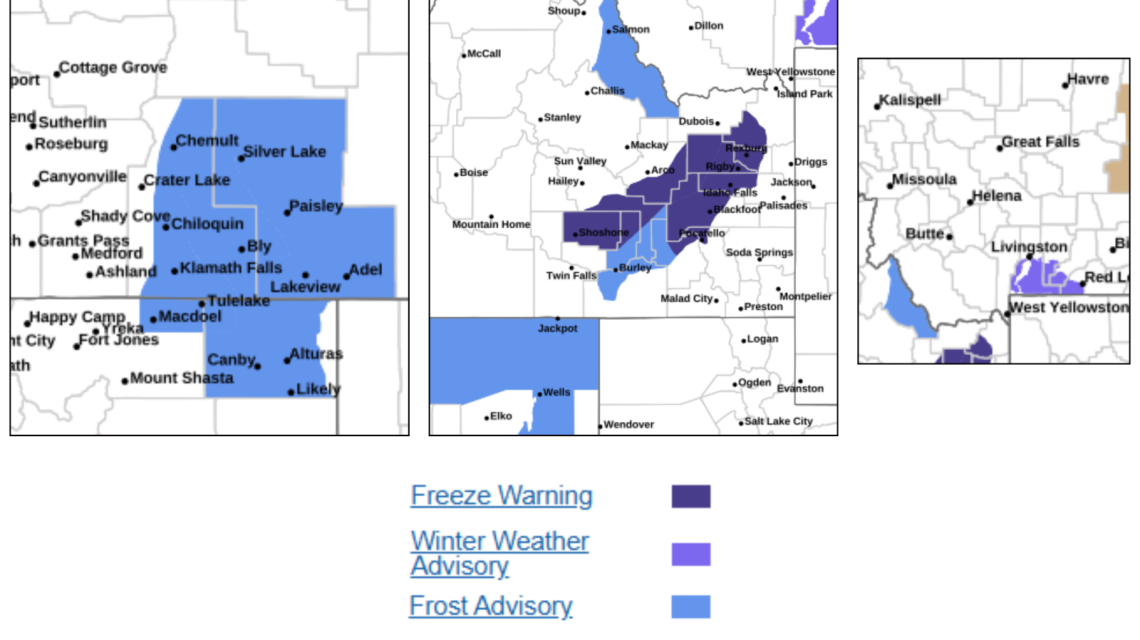
Late Wednesday, advisories indicated winter-like conditions in Idaho, Montana, Oregon, California, and Nevada. These conditions usually occur in early spring or winter, not the start of summer.
In Montana, the Absaroka and Beartooth Mountains are under a Winter Weather Advisory until Thursday. Light snow and winds up to 35 mph are likely on the Beartooth Highway. Further south and west, the focus shifts to freezing temperatures and frost risks.
- Idaho: Frost advisories and freeze warnings are active in the eastern Magic Valley, Snake River Plain, and nearby areas. Temperatures may drop to 28 F to 32 F.
- Oregon and Northern California: The Klamath Basin and Modoc County regions face frost advisories, with lows of 33 F expected. Some areas may experience freezing temperatures.
- Nevada: Northern and south central Elko County has a frost advisory, forecasting lows of 33 F to 37 F.
- Western Montana (Lemhi County): Temperatures could hit 30 F, posing a frost risk.
These advisories are expected to expire between early and mid-morning Thursday as temperatures rise after sunrise.
Conditions and Impacts
The NWS warns of probable widespread frost formation, with some areas remaining below freezing overnight. Potential impacts include:
- Damage to sensitive crops and outdoor vegetation
- Harm to unprotected plants during the early growing season
- Risk to outdoor plumbing in colder pockets
Higher elevations may experience snow, affecting mountain travel routes such as the Beartooth Highway. Slippery conditions and limited visibility could occur despite the mid-June timeframe.
Why This Cold Snap Is Noteworthy
The timing of this cold weather is unusual. June typically sees mild to warm overnight temperatures in the interior west, especially in lower desert and valley regions.
While climate norms differ by area, overnight lows in places like southern Idaho, northern Nevada, and eastern Oregon are usually above freezing during this period, fostering plant and crop growth. The Beartooth Highway, despite being above 10,000 feet, rarely sees snow in June, making these events significant due to potential travel impacts during high tourist season.
More generally, widespread frost advisories in multiple western states during June signal what meteorologists refer to as cold air outbreaks, characterized by a cool air mass lingering or moving unusually far south.
Precautionary Measures for Residents
The NWS advises residents to act quickly by:
- Protecting or relocating sensitive plants
- Shielding outdoor irrigation and plumbing systems
- Exercising care in mountain travel zones where snow is forecasted
In short, although June is typically warmer, parts of the west are temporarily experiencing winter-like weather, highlighting the region’s unpredictable conditions during transitional seasons.
 Communities Continuing Recovery from Hurricane Helene Explored through Graphic Novel
 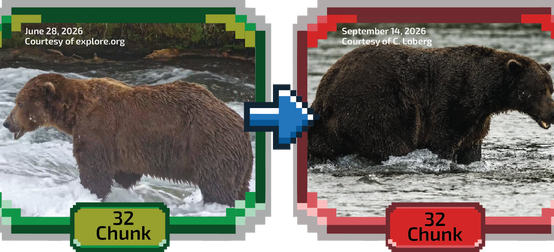 Fat Bear Week 2026 Highlights: Meet the Competitors
 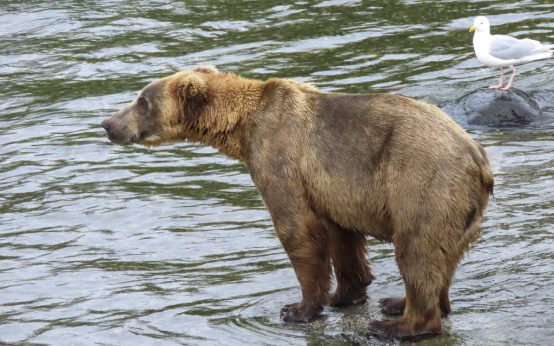 Annual Fat Bear Week Begins at Katmai National Park
  Understanding Hurricane Development
  California Prepares for El Niño-Fueled Storms with Emergency Declaration
  California’s Growing EV Adoption: Challenges and Benefits