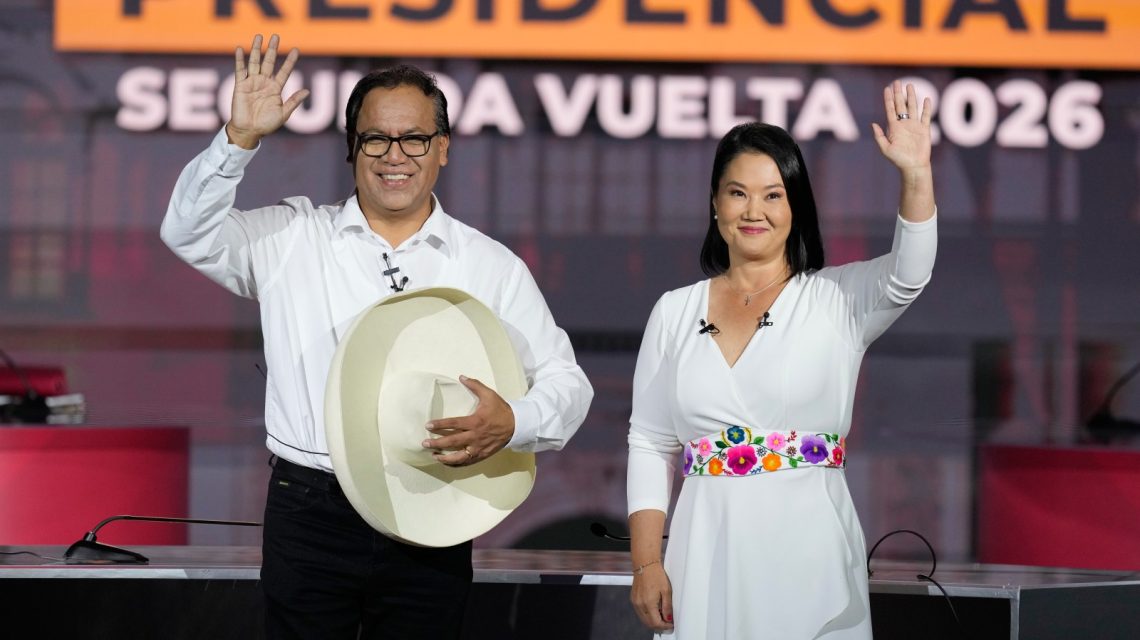
Peru’s presidential election has become intensely competitive. Right-wing Keiko Fujimori and left-wing Roberto Sánchez face off in a razor-thin race. With 97 percent of votes counted, the margin is so narrow that votes from abroad—especially those in Florida—can greatly impact the outcome.
As of Wednesday morning, Sánchez leads slightly with 50.05 percent, while Fujimori trails closely at 49.94 percent. This slender lead might flip due to the overseas vote tally, where Fujimori maintains substantial support. Political analyst Jeffrey Radzinsky noted, “The count could reveal that Sánchez wins more votes domestically but loses overall due to overseas votes favoring Fujimori.”
Vote Counting: Insights Into the Current Standings
Data from Peru’s National Office of Electoral Process indicates that 62.5 percent of votes from overseas Peruvians favor Fujimori, totaling 132,004 votes; Sánchez has secured 37.5 percent, or 79,327 votes.
Eligible overseas voters numbered over 1.2 million for the June 7 presidential election’s second round. Voters in the United States give Fujimori an edge at 76.56 percent, compared to Sánchez’s 23.43 percent. Florida, housing the largest Peruvian-American community, shows Fujimori’s dominance significantly.
In Miami, Fujimori captured 88.79 percent of votes (9,310 total votes), while Sánchez garnered 11.21 percent (1,175 votes). Orlando reflected similar trends, with Fujimori winning 86.60 percent of votes (929 total votes) against Sánchez’s 13.34 percent (143 votes).
Historical voting patterns suggest Peruvians abroad lean towards conservative candidates, contrasting with the more left-leaning rural populations within Peru.
Understanding the Diaspora’s Support for Fujimori
The political turmoil and economic distress of the 1980s and 1990s prompted many to leave Peru for countries like the United States, Argentina, Chile, Spain, and Italy. During this period, Alberto Fujimori’s presidency from 1990 to 2000 paved the way for order through a free-market approach and social conservatism.
Though his presidency involved human rights violations, many Peruvians appreciated his stance against the Shining Path guerrilla group. Meanwhile, Sánchez faces association with former President Castillo, who was ousted and imprisoned in 2022.
In the 2021 presidential runoff, international support failed to secure a victory for Fujimori, resulting in socialist Pedro Castillo’s narrow win with endorsements from rural Andes regions.
Impact of Overseas Voting
While overseas votes comprise a small portion of the electorate and typically take longer to tally, they could offer Fujimori a crucial advantage in this tightly contested race.
As of Wednesday morning, Miami’s votes were 99.09 percent counted, while Orlando reached 80.95 percent tally completion. Overall, 67.47 percent of overseas votes were counted compared to 98.21 percent in Peru, where Sánchez leads tightly with 50.2 percent over Fujimori’s 49.8 percent.
Sánchez expressed willingness to accept election results, stating, “We respect the electoral process as a peaceful people.” Fujimori urged patience to ensure all votes are counted.
The head of Peru’s election supervision agency mentioned that official results might emerge by mid-July, awaiting the review of contested ballots and potential recounts, as indicated by AS/COA. The presidential inauguration is planned for July 28.
Dr. Christopher Sabatini, Latin American Programme Director at Chatham House, highlighted potential governance challenges for either candidate. Sánchez could face legislative resistance, while Fujimori might confront political retaliation for her previous governing style.
 The Cost of Challenging Beijing
 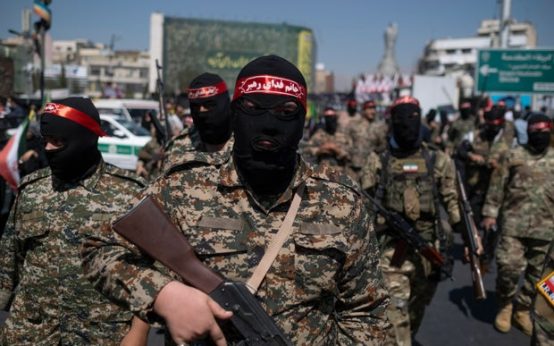 Tensions Escalate in Iran Conflict as Global Leaders Weigh Options
 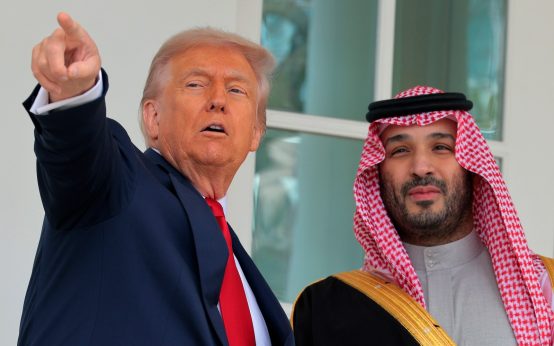 White House Approves F-35 Sales to Saudi Arabia Amidst Regional Tensions
  Inside the Secret Deals Powering the President’s Push to Deport Migrants to Countries Not Their Own
  Navigating the Challenges of Third-Country Deportations
  Midair Altercation on Bangladesh to London Flight