In Belfast, Northern Ireland, police deployed water cannons to control protesters who set fires and threw objects during a second night of unrest. The unrest followed a violent stabbing in the city, involving a Sudanese man, Hadi Alodid, who appeared in court charged with attempted murder.
Protesters, some in masks, dismantled walls and sidewalks to find projectiles and used pieces of a picket fence for cover. These clashes intensified after Hadi Alodid was charged with attacking Stephen Ogilvie, seriously injuring him.
Alodid, aged 30, was ordered to remain in custody and appeared in court via video. He refused legal representation and an interpreter. Authorities found him armed with a knife at the crime scene. His aggressive behavior continued with threats during his arrest.
Police anticipated further violence as masked individuals set fire to homes, trash bins, and a bus, targeting immigrant residents. This chaos forced firefighters to rescue many individuals, leaving over twenty people homeless. Anselme Shima, originally from Congo, expressed fear over what might happen next.
Chief Constable Jon Boutcher of the Police Service of Northern Ireland reported that families from different communities were affected by the upheaval. He condemned these acts of aggression and announced increased police presence in the city.
Victim Stephen Ogilvie’s family urged unity, emphasizing the positive role immigrants play. They opposed using their relative’s ordeal to incite further division.
Political leaders across Northern Ireland’s government condemned these violent acts. First Minister Michelle O’Neill labeled the actions as ‘cowardice’, while Deputy First Minister Emma Little-Pengelly called them ‘utterly wrong’.
The violence was amplified on social media and labeled by anti-immigrant activists, despite appeals from politicians for peace. Prime Minister Keir Starmer described the situation as ‘shocking’. He stated emphatically that violence based on ethnicity or background would not be tolerated.
Justice Minister Naomi Long criticized online agitators for exploiting local fears. She emphasized that driving people from their homes due to their skin color is racism.
Some politicians suggested reconsidering the open border between Northern Ireland and the Republic of Ireland. The border’s freedom is a core component of the peace process that ended ‘The Troubles’, a conflict that claimed nearly 3,600 lives before the 1998 peace accord.
Recent violence echoed previous incidents, including a case in Southampton where violence was wrongly attributed to immigration. This comparison was rejected by officials including Prime Minister Starmer.
This ongoing turmoil highlights existing tensions and the influence of paramilitary groups in certain areas.
 Court Rules Against Third-Country Deportation Policy
 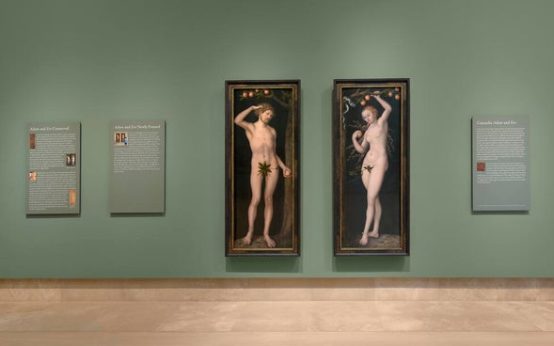 Claims to Nazi-Looted Art Spark Legal Battle in California
 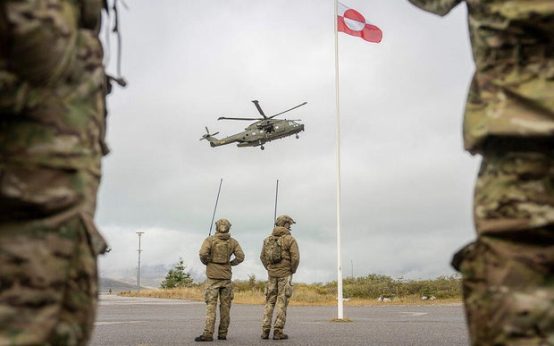 U.S. Secures Strategic Control Over Greenland
 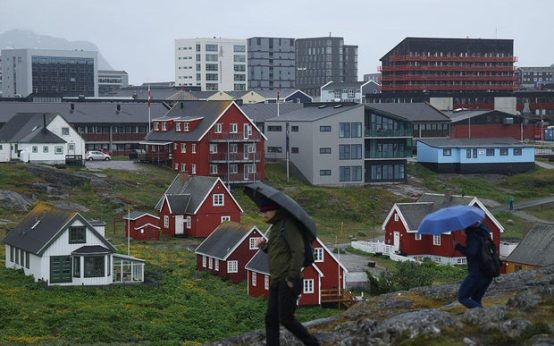 U.S. and Denmark Move Towards Security Agreement Over Greenland
  Rising Concern Over Gender-Based Violence in South Africa
  UNIFIL’s Final Patrol in Southern Lebanon Amid Changing Borders