The Sagrada Familia in Barcelona captivates with its distinctive design. Its towering spires resemble sandcastles. Stonework mimics lush flora, and inside, a kaleidoscopic array of colors greets visitors. Regular worshippers often stand in awe at this iconic landmark.
Unique Architectural Features
Josep Turull, the Catalan rector of Sagrada Familia, shared insights on a guided tour ahead of Pope Leo XIV’s upcoming Mass.
“We say that one of the elements of the Sagrada Familia Basilica is that you never exhaust it,” Turull remarked. “I have spent the last eight years as its rector, and each day I discover something new.”
Enigmatic Façades
Each day, Turull examines the intricate façades filled with religious scenes and symbols. While some interpretations align with basic Christian understanding, other depictions are puzzling or provocative. The Passion Façade, facing west, is stark. Figures are tormented, their forms angular. Architect Antoni Gaudí intended this harsh representation to reflect Christ’s suffering.
Gaudí’s vision remained long after his passing. Sculpter Josep Subirachs introduced playful touches. One prominent feature is a numerical grid next to Judas betraying Jesus. This “magic square” adds to 33 in any direction, symbolizing Christ’s age at his crucifixion.
Rooftop Wonders
Pope Leo will bless the Tower of Jesus Christ, the tallest church tower, during his visit. The basilica’s heights teem with life— a rooster symbolizes Peter’s denial, reptiles act as gargoyles, and spires are topped with cornucopias.
Notably, peregrine falcons have renewed their presence in the tower dedicated to St. James. These birds were reintroduced after disappearing in the 1970s. They now thrive, soaring and deterring pigeons in the process.
“These birds of prey recover the cycle of natural life,” said Turull, noting their symbolic importance.
Gaudí’s Resting Place
Visitors often overlook the basilica’s humble “spiritual heart,” descending to Gaudí’s crypt. Here, a more intimate chapel hosts silent masses. Fervent Catholic Antoni Gaudí rests here, marked by a simple tomb.
“People come to ask for his intercession… Many people have received favors for having prayed at the tomb of Gaudí,” Turull mentioned.
The Vatican explores Gaudí’s sainthood. His title could advance further if a miracle is attributed to his intercession.
Nature-Inspired Elements
A real seashell from the Philippines serves as a holy water basin, an example of Gaudí’s nature-inspired designs. Portraying nature in design is a recurring theme in his work.
Papal Changing Room
Gaudí’s designs extend to a sunlit private room. Here, oak cabinets contain essential relics and clerical attire. These pieces include Pope Benedict XVI’s chasuble from the 2010 consecration event.
Pope Leo will don a specially crafted chasuble during his visit, adorned with symbols celebrating the basilica’s significance. Turull kept details under wraps, preserving some mystery.
Overall, Sagrada Familia is much more than a visual marvel. It is a place where art, architecture, faith, and nature weave together.
 A Lesbian Bar’s Mask Controversy Highlights the Decline of Woke Culture
 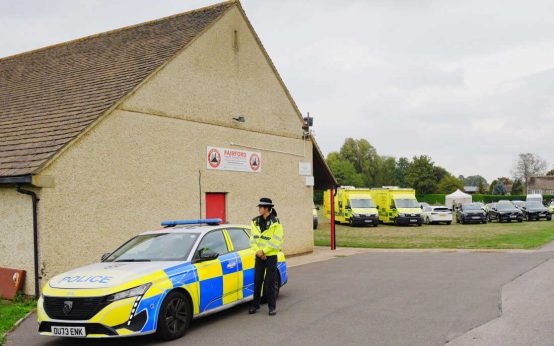 Homes Evacuated Near RAF Fairford in Explosives Investigation
  Hungary’s New Government: Policy Shifts and International Relations
 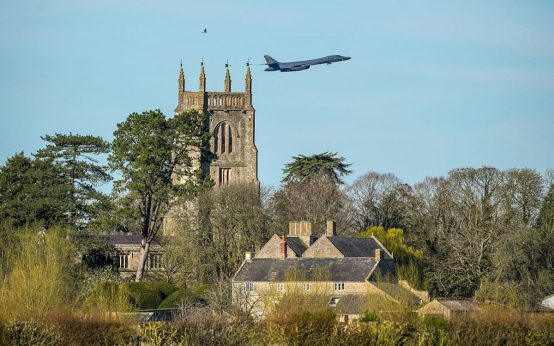 Major Incident Declared Near U.K. Airbase Used for U.S. Military Strikes
  Minnesota Lynx Coach Cheryl Reeve Voices Support for Transgender Community Amid Controversy
 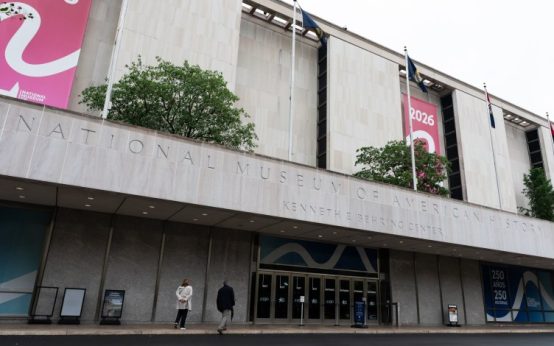 Smithsonian’s History Museum Faces Scrutiny Amid Debates on Ideological Influence