Heatwave Across the U.S.
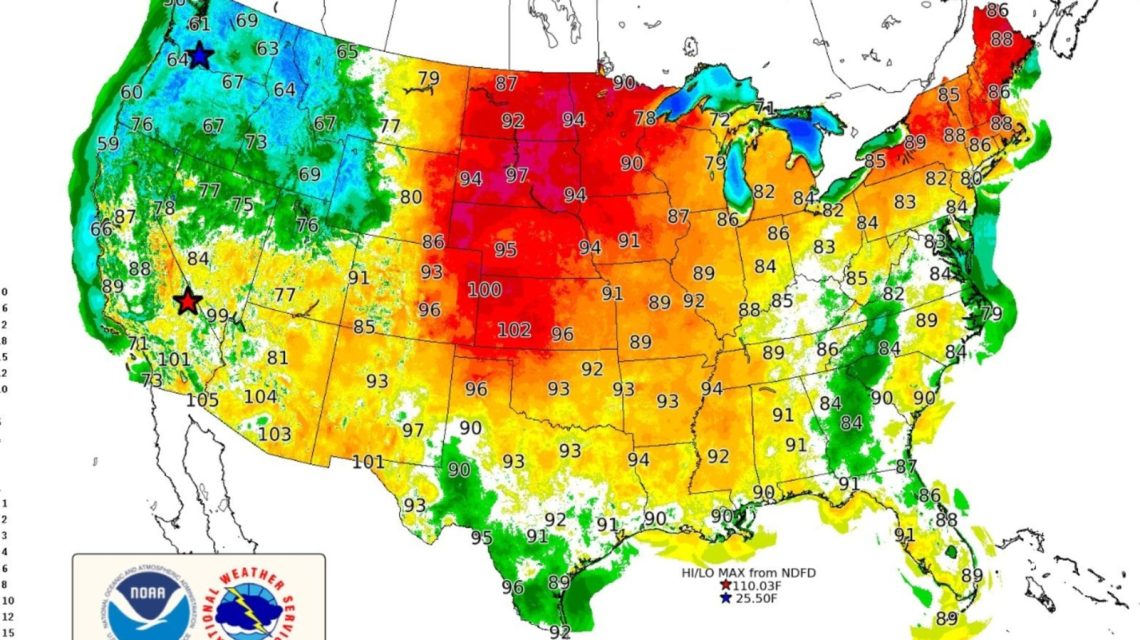
A significant heatwave is affecting wide regions in the United States, leading to dangerous high temperatures. The National Weather Service (NWS) has issued alerts, warning about hazardous conditions spreading from the Plains to the Midwest and South.
Maps shared on Tuesday reveal the heatwave’s expansion, expected to impact over 20 cities in the upcoming days. Heat index values in parts of Texas are forecasted to reach 110 degrees, exceeding 100 degrees across several states including Missouri, Kansas, Iowa, Arkansas, and Tennessee.
Health Risks and Prevention
The NWS emphasizes the importance of staying hydrated, limiting outdoor activities, and seeking air-conditioned environments to mitigate the risk of heat-related illnesses. Peak concerns are during afternoon and evening hours when the heat intensifies.
“An early season heatwave can often be more dangerous and pose a greater risk for heat-related illness,” stated the NWS on Tuesday morning.
Indicators of heat exhaustion include heavy sweating, fatigue, dizziness, headaches, nausea, muscle cramps, and extreme thirst. In severe cases, heat stroke may occur, signaled by confusion, slurred speech, or unconsciousness, requiring immediate medical intervention.
Temperature Trends
Daily high temperature records may be shattered in multiple states this week. Areas in the Upper Midwest and Great Lakes will experience temperatures 10 to 20 degrees above normal. North Dakota, South Dakota, and Kansas are already feeling the intense heat.
As the week progresses, California will encounter rising temperatures with Central California experiencing mid- to upper-90s, while Southern California could see mid-100s.
By Thursday, California’s heat will peak, affecting areas inland with temperatures reaching into the 100s. East Coast states will also experience warmer conditions, including Vermont, New Hampshire, Massachusetts, and others.
Forecast for Upcoming Days
Relief for the central U.S. is expected by Friday with highs dropping to the low 80s. However, the West and Pacific Northwest will continue warming, reaching highs into the 100s in some areas.
The NWS Climate Prediction Center forecasts below-average temperatures in the central U.S. and parts of the Upper Midwest from June 14 to June 18.
 Lawsuits Claim Vision Loss Risk from GLP-1 Medications
  States Tighten Regulations on Tianeptine, Known as ‘Gas Station Heroin’
  Medicare Lab Test Payments: Upcoming Changes and Their Implications
  Gen Z Faces Economic Barriers to Dating and Intimacy
  Presley Gerber’s Death Highlights Concerns in Addiction Treatment Approaches
  Understanding VA Disability Benefits and Latest Legislative Developments