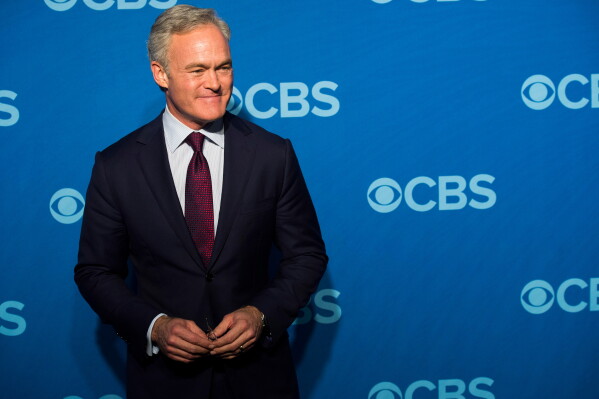
Scott Pelley, a longtime correspondent for CBS’s ’60 Minutes,’ recounted the unexpected events that led to his departure in a recent podcast interview. Pelley believed his meeting with CBS News President Tom Cibrowski would address issues from a previous confrontation with Nick Bilton, his new boss. Unaware of what was coming, Pelley did not anticipate being fired after a brief ten-minute meeting.
The Unexpected Black Thursday
Five days prior to his dismissal, Pelley experienced what he termed ‘Black Thursday.’ Bari Weiss, CBS News’s editor-in-chief, had announced significant changes. These included the appointment of Bilton, with no broadcast experience, to replace Tanya Simon as executive producer. Weiss’s actions shook the staff, and Pelley highlighted the surprise, noting Simon’s success in increasing audience numbers by nine percent.
Emotional Impact
Pelley expressed deep emotions over the bonds formed at ’60 Minutes’ with colleagues he had known for decades. Describing the atmosphere and the relationships, Pelley likened the situation to experiencing a personal tragedy. The sudden changes felt intense and personal, especially without clear explanations.
Confrontations with New Leadership
Backgrounding a contentious email from Bilton, Pelley found its tone dismissive, suggesting the staff was outdated. In a subsequent meeting, Bilton read from his phone to the disheartened staff, which Pelley criticized as ‘tone-deaf.’ The formal approach and negligible attempt at consolation, like offering bagels, highlighted the disconnect in the communication.
Pelley’s Reaction to Being Fired
Pelley did not foresee his termination, despite challenging Bilton and critiquing Weiss for allegedly harming the show. Reflecting on the meeting, Pelley admitted he did not connect the circumstances that led to his dismissal.
Contentious Editorial Decisions
Pelley noted disagreements over editorial influence in stories, citing an incident about a confrontation with immigration agents. Weiss allegedly pushed for a portrayal of protester violence unsupported by video evidence. CBS News clarified that editorial points aimed to ensure fair reporting, without political motive.
Communication Gaps with Colleagues
Pelley acknowledged no recent communication with fellow correspondents like Lesley Stahl and Jon Wertheim, who chose to remain, hoping to maintain journalism integrity. Pelley doubted assurances over editorial independence under new leadership. Mentioning Anderson Cooper’s departure supposedly for personal reasons, Pelley speculated underlying influences tied to the changing leadership environment.
Jocelyn Noveck from The Associated Press covers media and entertainment intersections.
 Rising Concern Over Gender-Based Violence in South Africa
  UNIFIL’s Final Patrol in Southern Lebanon Amid Changing Borders
  Ukraine Launches Massive Drone Attack on Moscow Amid Elections
  Ovechkin’s Political Controversy Amid Russian Elections
  Ukraine’s Major Drone Attack Intensifies Moscow Conflict
  AI Talent and Geopolitical Challenges Between the U.S. and China