
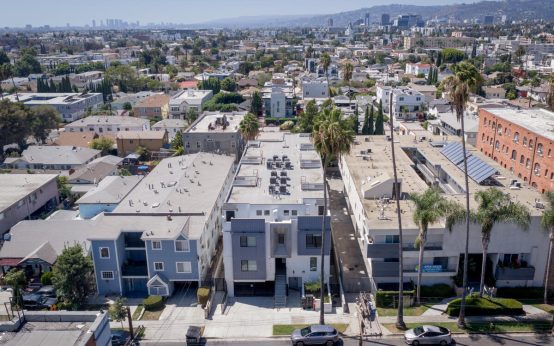
A new law in California, effective from July, mandates denser housing development near major transit stops. This law could pave the way for constructing over 1 million new units in urban centers throughout the state. The Abundant and Affordable Homes Near Transit Act, also known as Senate Bill 79, enforces cities to permit taller apartment and condo buildings near rail and bus transit hubs, overriding past local restrictions.
State Action to Address Housing Shortage
Introduced by Sen. Scott Wiener in 2025, the law represents a significant effort to tackle California’s housing crisis. Developers are poised to launch new projects under these regulations once the law is active. As reported by Chief Executive Sean Burton of Cityview, a major apartment developer, this change removes previous uncertainties about project approvals.
Burton noted, “This should accelerate new housing production across Los Angeles and beyond.” SB 79 curtails local government control, allowing the construction of midrise and high-rise buildings up to 1.5 million units in principal cities like Los Angeles.
Height and Zoning Regulations
The law categorizes zoning into tiers based on proximity to transit stations. Tier 1 includes heavy-rail lines, permitting six- to nine-story buildings. Tier 2, including light-rail and bus lanes, allows five- to eight-story structures. These new zoning rules extend to single-family neighborhoods within half a mile of transit stops.
SB 79 applies to counties with at least 15 passenger rail stations, affecting areas such as Los Angeles, Orange, and San Francisco. Preliminary assessments indicate a significant impact in Los Angeles with its estimated 150 transit stops under the bill.
Local Resistance and Impact
Some cities, like Los Angeles, have sought to delay SB 79 by implementing their density plans, pushing the state law’s requirements possibly to 2030. Developers express frustration with these delays, stressing the need for consistent housing laws throughout the state.
Measure ULA, known as the “mansion tax,” poses additional challenges by taxing high-value property sales, potentially limiting profitable developments in Los Angeles. Sean Burton remarked that other areas like Santa Monica and West Hollywood might benefit from SB 79, unlike Los Angeles due to the mansion tax.
The Need for State Intervention
According to Jonathan Curtis of Cedar Street Partners, the hesitation among some city leaders to increase density signals the need for state action. The significant investment in rail infrastructure necessitates supporting housing density at these stations, preventing wasted opportunities.
 Trump Seeks Diplomatic Success at the U.N. Amid Challenges
  North Carolina Senate Race Influenced by Abortion Policy Messaging
  Trump Pressures Republicans on Filibuster Threat
  Rep. Golden Endorses Rep. Lawler for Re-election
  Public Perception and Political Impact of Data Centers
  Los Angeles Multifamily Housing Market Challenges and Decline