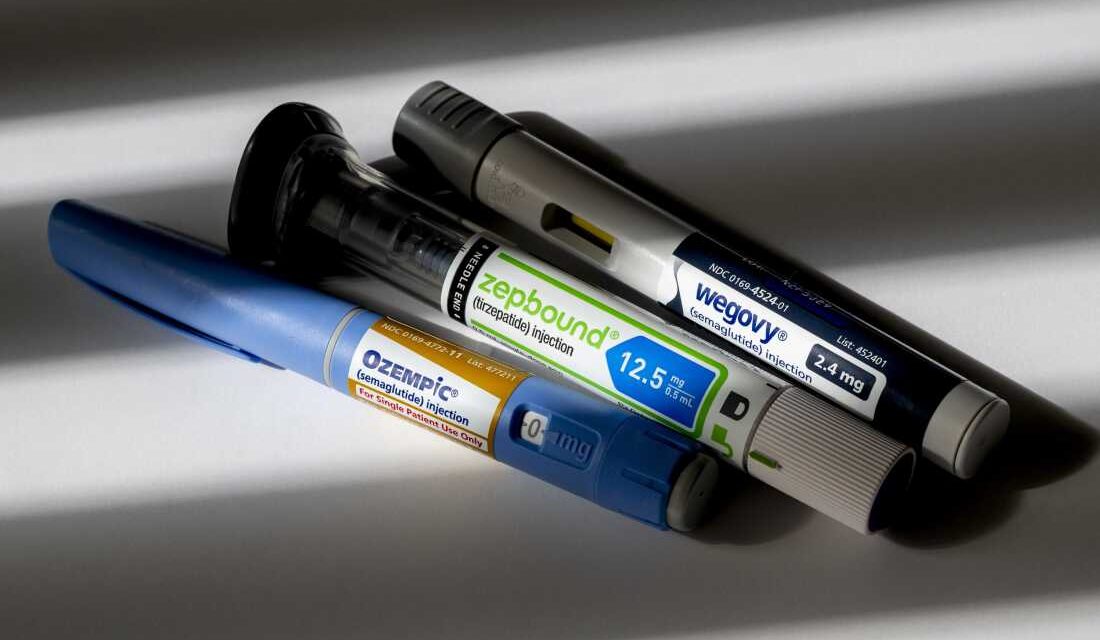
GLP-1 medications, known for treating diabetes, obesity, and sleep apnea, are available under various brand names. These drugs are now being examined for their potential effects on cancer, an area of research still in its infancy.
New studies suggest GLP-1 treatments for obesity may also lower cancer risk. Though the evidence is correlative, researchers have noted that these drugs might not only mitigate obesity-related cancer risks, but could also possess anti-inflammatory properties that help suppress tumors.
At a recent meeting of the American Society of Clinical Oncology, a major focus was on the use of GLP-1 drugs in cancer prevention and control. Four studies, some published in the Journal of Clinical Oncology, were highlighted. A key study analyzed health records of over 10,000 early-stage cancer patients. The findings indicated that GLP-1 drugs reduced cancer risk in six out of seven types of cancer, with breast, liver, colorectal, and non-small cell lung cancer showing statistically significant reductions. Though effects on kidney and prostate cancer were less notable, pancreatic cancer was the least affected.
The significant risk reduction was not confined to cancers commonly linked with obesity. For instance, the progression to Stage IV disease in non-small cell lung cancer was 22.3% in untreated patients, compared to 10% in those using GLP-1 drugs.
GLP-1 drugs were initially created to treat diabetes by modifying hormonal balances in the brain and gut, which decreases hunger and slows digestion. These metabolic effects have proven beneficial for conditions like obesity, heart disease, sleep apnea, and potentially addiction and cancer.
Current Limitations
Despite encouraging data, experts caution against concluding that GLP-1 drugs are definitive cancer treatments. Dr. Julie Gralow from ASCO notes that while analyses used retrospective medical data, they lacked detailed patient information, such as comorbidities, physical activity, or dietary habits. She emphasizes the connection between obesity and various cancers, and the importance of healthy living in both treatment and recovery.
Findings on Breast Cancer
Another research analysis linked mammogram data with prescription records, revealing that women aged 45 to 80 using GLP-1 drugs had a 30% lower risk of developing breast cancer. Weight loss typically reduces cancer risk, but the impact of GLP-1 drugs seems more pronounced.
Elizabeth McDonald from the University of Pennsylvania suggests that GLP-1 drugs may influence other metabolic pathways and reduce inflammation, a known cancer driver.
Ongoing Research
New trials are beginning to explore how GLP-1 drugs affect chronic inflammation and immunosuppression, factors that might contribute to cancer growth. Coral Omene of Rutgers Cancer Institute plans a study involving 40 breast cancer patients taking the GLP-1 drug tirezepatide, known under the brand names Mounjaro and Zepbound.
Omene intends to monitor blood samples and changes in cancer markers, and conduct periodic biopsies of abdominal fat cells. She aims to observe the behavior of immune cells during treatment, seeking insights into the optimal use of GLP-1 drugs in cancer therapy.
 Presley Gerber’s Death Highlights Concerns in Addiction Treatment Approaches
  MAHA Activists Challenge Trump and RFK Jr. on mRNA Vaccines
  Fraud Task Force Saves Billions by Targeting Obamacare Fraud
  Understanding VA Disability Benefits and Latest Legislative Developments
  Nationwide Recall of Pasta Products Due to Listeria Risk
  Vice President JD Vance’s Task Force Targets Fraudulent Enrollments in Health Care Program