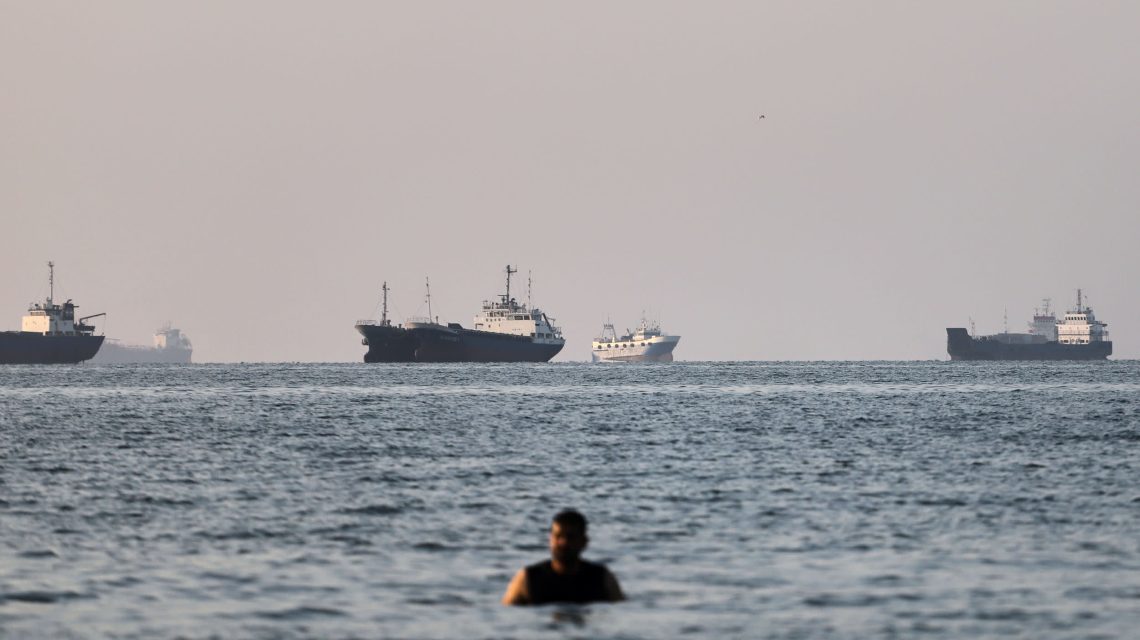
E.U. Sanctions IRGC Navy in Response to Strait of Hormuz Blockade
The European Union has imposed sanctions on Iran’s navy due to its restrictions on maritime traffic through the Strait of Hormuz. Iran instituted the toll system for passing ships following Israeli-American strikes in February. The E.U.’s decision targets part of the IRGC Navy believed to be enforcing this new system, alongside two Iranian officials. These actions include asset freezes, travel bans, and bans on providing funds or economic resources.
“Tehran actively, effectively closed the Strait, and its drones continue to threaten the maritime traffic,” the E.U.’s top diplomat, Kaja Kallas, stated.
The sanctions are directed at the IRGCN’s Hormozgan Provincial Command, Mohammad Akbarzadeh, and Hamid Hosseini.
Israel Targets 12 Locations Across Iran
The Iranian Red Crescent Society reported that Israel attacked 12 sites across Iran, causing no casualties. All relief and rescue operations remain on standby, confirmed by spokesperson Mojtaba Khaledi.
Strikes Reveal Power Dynamics between U.S. and Israel
Experts have noted an asymmetry in power dynamics between the U.S. and Israel following strikes on Iran. Despite the U.S. President urging Israel not to retaliate, Israel acted due to its domestic and security concerns, as analyzed by Sanam Vakil and Kobi Michael. Iran’s retaliatory actions in Lebanon are perceived as intolerable by Israel.
Warnings of a Tenuous Ceasefire from Pakistan
Pakistan’s Prime Minister emphasized the risks associated with the fragile ceasefire. He called for restraint and a focus on diplomatic solutions to continue on the path of peace rather than conflict.
Iran’s Missile Launch and Israeli Reaction
Iran launched around 30 missiles at Israel, most intercepted by Israeli defenses. In response, the Israeli military targeted a petrochemical plant in Iran. Iran’s Central Military Headquarters threatened suspension of operations unless provoked further.
Iranian President Masoud Pezeshkian stated that Iran remains engaged in both defense and diplomatic efforts, emphasizing national security and peace.
Diplomatic Interventions and Precautions
The E.U.’s Kaja Kallas urged for negotiation over military action to prevent escalation in the Middle East. Meanwhile, Israel continued attacks on southern Lebanon amid conflicts with Hezbollah. The U.S. confirmed there was no involvement in the recent Israeli strikes.
Regional and Global Implications
Qatari and Iranian foreign ministers discussed mediation efforts between the U.S. and Iran. Following Iran’s announcement to suspend military operations against Israel, oil prices fell and stock futures rose, indicating market volatility amid geopolitical tensions.
Observers remain cautious about whether this escalation represents a short-lived flare-up or a potential progression towards a broader conflict.
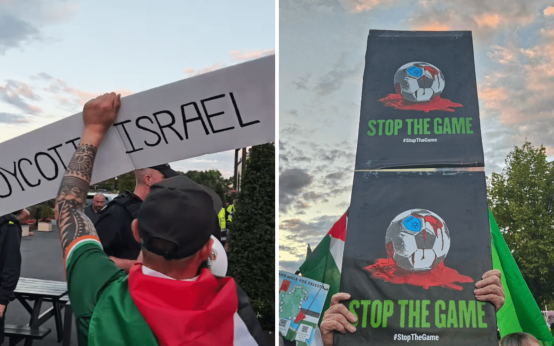 Ireland Faces Calls to Boycott Matches Against Israel
  Social Media Influencer Faces Serious Charges
 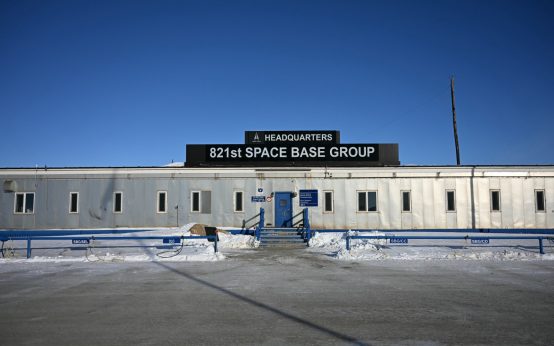 U.S. Military Expansion in Greenland
  The Autocratic Age: A Closer Look
  Venezuelan Migrant Arrest in Texas Sparks Outrage
 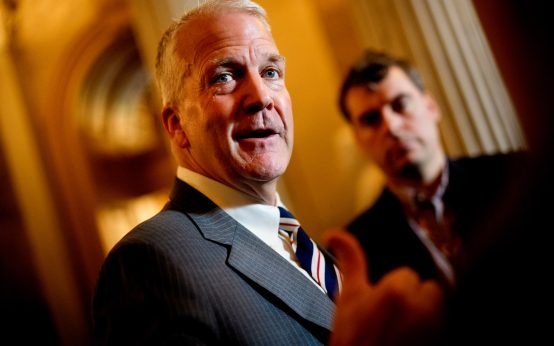 Senator Calls for Halt in Diesel Exports Amid Rising Fuel Costs