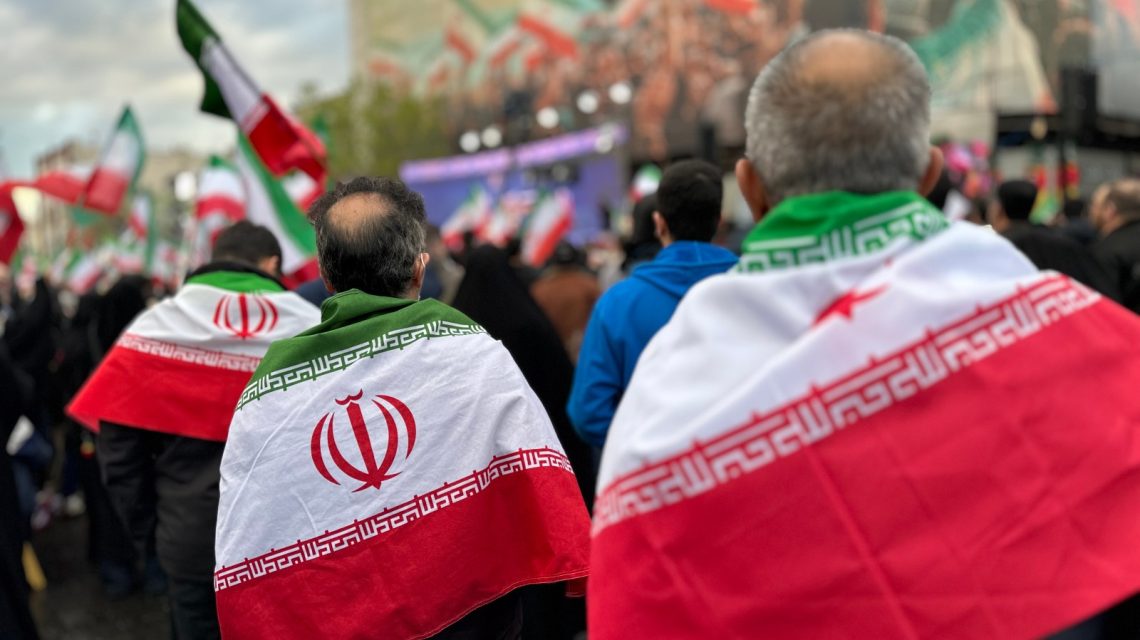
The strike that resulted in the death of Ayatollah Ali Khamenei on February 28, 2026, was deeply rooted in intelligence efforts. According to CBS News, the CIA gathered intelligence over several months, which was then shared with Israel. This intelligence pinpointed Iran’s leadership locations, paving the way for Operation Epic Fury. The Chairman of the Senate Intelligence Committee confirmed that the operation relied on intelligence from both the United States and Israel.
In the aftermath, Iran launched thousands of missiles and drones across the Gulf. This action was a response to the silent intelligence war that preceded the visible air campaign. Success in this conflict depended on precise intelligence, not merely military might. Identifying critical leaders like Khamenei required knowing their location, timing, proximity to others, and striking effectively within these constraints. This challenge demanded a sophisticated collection of information, often gathered over years.
The decisive element was American intelligence, backed by efforts from its ally, Israel. Israel’s Mossad had already executed operations that demonstrated significant intelligence capabilities. These included the extraction of Iran’s nuclear archive in 2018, the assassination of physicist Mohsen Fakhrizadeh in 2020, and attacks within Tehran in the following years. These actions illustrated a state compromised from within. By 2026, the United States had effectively merged its intelligence efforts with those of Israel, targeting Iranian leadership.
“Every failure is an enemy’s success” is a maxim in intelligence.
This adage highlights the challenges faced by intelligence agencies. On October 7, 2023, a weaker actor managed to keep its plans hidden from global powers through careful operational security. Conversely, in 2026, intelligence discoveries overpowered concealment, exploiting Iran’s vulnerabilities.
Iran’s penetrability might seem counterintuitive for a surveillance state, yet surveillance and counterintelligence require different expertise. Instead of focusing outward, Iran’s intelligence efforts were consumed by internal surveillance, creating gaps exploitable by foreign adversaries.
Iran’s centralized power structure further intensified its vulnerability. Authority concentrated within a narrow circle around the supreme leader meant that decapitation could disable the regime swiftly. Unlike more dispersed organizations like Hamas, Iran’s reliance on key individuals made it susceptible to targeted strikes.
In the wake of the conflict, Iran’s Revolutionary Guard has conducted numerous arrests on charges of spying for Israel and the United States. Human-rights groups criticize these actions as repression. The extensive scale of these purges reflects a deep-seated insecurity within the regime, as they become unable to distinguish between genuine threats and exaggerated ones.
For the United States, these events highlight the importance of intelligence over merely advanced weaponry in securing victory. The war’s outcome was determined before conflict occurred, with intelligence and human sources playing a pivotal role. However, regimes that face such penetrations adapt and rebuild with more distributed power, increased offline decision-making, and a revamped approach to counterintelligence.
Thus, the next confrontation with Iran will also be settled in the realm of intelligence, rather than in direct military engagements. The physical remnants of the 2026 conflict may be visible, like missile turrets and bomb craters, but the critical battles occurred in secrecy, guided by American intelligence expertise.
Muhanad Seloom, assistant professor of intelligence and national security at the Doha Institute for Graduate Studies and senior fellow at the Middle East Council on Global Affairs, shares insights on these dynamics through his posts on social media. The views expressed are his own.
 Court Rules Against Third-Country Deportation Policy
  Claims to Nazi-Looted Art Spark Legal Battle in California
 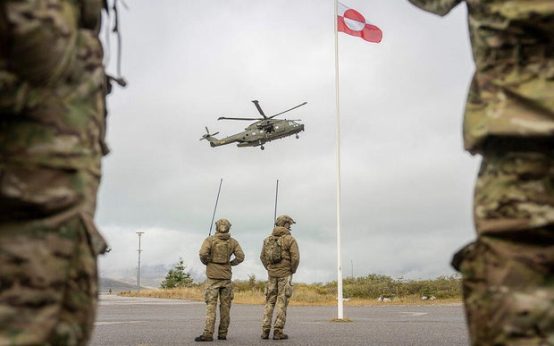 U.S. Secures Strategic Control Over Greenland
  U.S. and Denmark Move Towards Security Agreement Over Greenland
 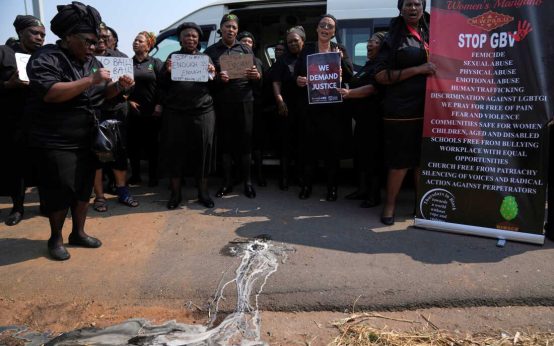 Rising Concern Over Gender-Based Violence in South Africa
 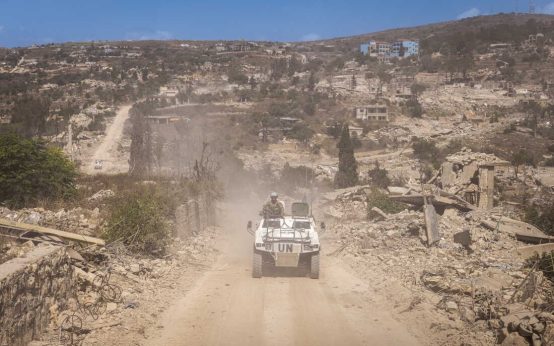 UNIFIL’s Final Patrol in Southern Lebanon Amid Changing Borders