Judicial Decision Against USDA Funding Conditions
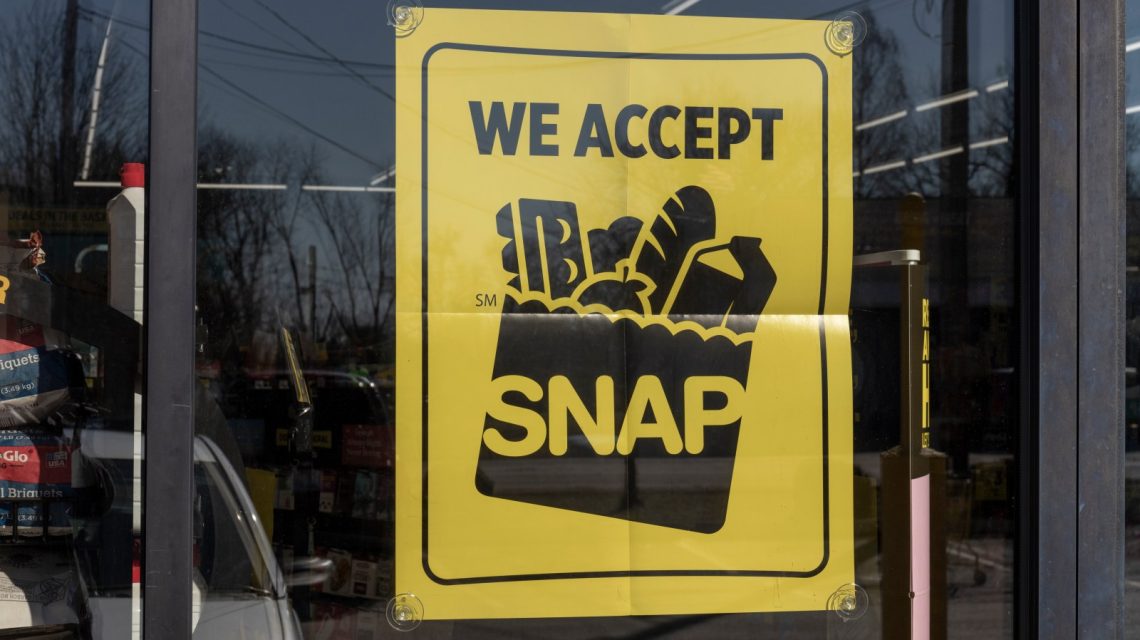
A federal judge has obstructed the Trump administration from enforcing new conditions on billions of dollars in Supplemental Nutrition Assistance Program (SNAP) funding. This decision supports 19 Democratic-led states and Washington, D.C., who argued that the imposed requirements jeopardized programs designed for low-income families.
On Friday, U.S. District Judge Myong Joun issued a preliminary injunction against the U.S. Department of Agriculture’s (USDA) new funding conditions pending further legal proceedings. Despite opposition from government attorneys who believed the requirements aimed to enhance oversight of federal funds, the judge sided with the plaintiff states.
Judge Joun stated he will release a memorandum later detailing his decision. The SNAP benefits are vital for low- and no-income households across the United States, enabling them to purchase groceries. Some 38 million Americans rely on SNAP, though numbers have dwindled since the second Trump administration commenced in January 2025.
Newsweek attempted to reach the USDA for comment outside regular working hours.
States Challenge the USDA Directive
The legal challenge began in March 2026 when a coalition of Democratic-led states argued the USDA had unlawfully imposed new requirements on federal funding approved by Congress. These states annually receive over $74 billion from the USDA and warned that the conditions could jeopardize crucial programs.
The USDA issued a directive at the end of last year requiring states to certify compliance with federal “policies” for ongoing funding. Known as the “2026 Conditions,” these provisions affected all USDA programs, grants, cooperative agreements, and mutual interest agreements starting at the end of 2025.
States contended the requirements were ambiguous, potentially forcing them into compliance on unrelated issues. Among the contested conditions were restrictions regarding “gender ideology,” “immigration,” and “fair athletic opportunities” for women and girls.
Attorneys general argued the USDA imposed unconstitutional roadblocks that could threaten essential nutrition programs, agricultural research, and food chain safety. Additionally, the states claimed the USDA lacked authority for these conditions and that the requirements violated the Spending Clause of the Constitution. They asserted the policy was enforced without following necessary legal procedures.
Programs potentially affected by the challenged conditions include SNAP, school lunch programs, and the Special Supplemental Nutrition Program for Women, Infants, and Children (WIC).
The plaintiff states encompass Massachusetts, California, Illinois, Wisconsin, Colorado, Connecticut, Delaware, D.C., Hawaii, Maine, Maryland, Michigan, Minnesota, New Jersey, New Mexico, New York, Oregon, Rhode Island, Vermont, Virginia, and Washington.
Administration’s Defense of the Policy
Government attorneys opposed the preliminary injunction, asserting the new requirements aimed to enhance federal fund oversight. The Trump administration argued that the conditions would support sound stewardship of taxpayer dollars, improve USDA financial oversight, and ensure that grant recipients adhere to federal laws, regulations, and policies.
The administration insisted that if states need to follow anti-discrimination laws for federal funding, other policies should also be similarly enforced.
Massachusetts Attorney General Andrea Joy Campbell praised the court’s decision on Bluesky, stating, “When Trump attempted cuts on USDA funding for states resisting his anti-immigrant agenda, we filed a lawsuit. The court sided with us, blocking the cuts as the case progresses. These grants are crucial—I will always defend food assistance for families.”
New York Attorney General Letitia James expressed her satisfaction on X, writing, “We achieved a court order securing billions in @USDA funding during our lawsuit. My office will continue defending New Yorkers and prevent the federal government from penalizing our state for non-compliance.”
 Gen Z Voters and Their Impact on the 2026 Midterm Elections
  Rep. Alexandria Ocasio-Cortez Defends Macklemore Amid Tour Controversy
  Influence Concerns Surround California Political Donors
  Michigan Senate Race Sees Influences from Soros-Linked Funding
  Trump Seeks Diplomatic Success at the U.N. Amid Challenges
  North Carolina Senate Race Influenced by Abortion Policy Messaging