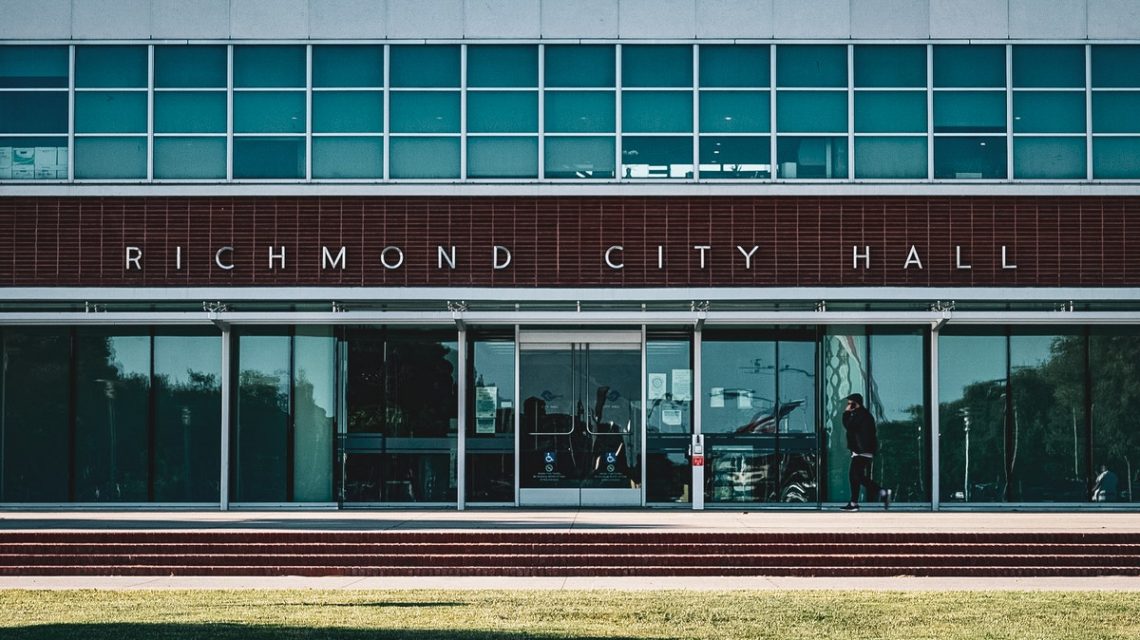
Richmond, California, located just 30 minutes from San Francisco, stands out as an unusual political experiment. The city has been influenced by an activist coalition for years, including democratic socialists. From a glance, Richmond appears like any other working-class city with a Chevron refinery and immigrant-owned businesses on 23rd Street. However, it distinguishes itself politically.
The Role of the Richmond Progressive Alliance
The Richmond Progressive Alliance (RPA), formed in the early 2000s, has been crucial in the city’s governance for over two decades. Initially established to challenge corporate power, oppose the Iraq War, and advocate for fair housing and rent control, its influence has expanded. This growth has resulted in concerns among residents about City Hall’s relationship with businesses and its approach to economic development.
The local government is controlled by the Richmond Progressive Alliance, supported by the East Bay Democratic Socialists of America.
Eduardo Martinez, the mayor aligned with the coalition and affiliated with the Democratic Socialists of America (DSA), leads a progressive city council. Martinez has promoted policies on environmental justice and reducing corporate influence. Critics claim these stances have made the city unfriendly to businesses, both large and small.
Diverse Political Landscape
Martinez notes that Richmond is not defined by a single ideology, stating, “We are a diverse community with a range of political perspectives, united by a commitment to serving our residents.” He emphasizes Richmond’s ability to find common ground on priorities such as homelessness, employment, cleanliness, and effective governance.
Former Mayor Tom Butt reflects on the city’s political evolution. Initially considered a liberal member of the city council in the 90s, Butt notes the council’s significant shift further left has changed Richmond’s political landscape.
Business Relations and Economic Impact
The RPA’s influence in Richmond is evident in its stance against Chevron’s influence in local politics. While Chevron remains a significant tax revenue source, RPA leadership argues for higher company contributions to address environmental and community issues. Critics warn that alienating Chevron could have severe economic consequences.
Some praise RPA’s achievements in holding Chevron accountable, while others, like Butt, see City Hall’s relationship with businesses as strained. “It’s not a business-friendly place,” Butt remarks.
Conflicts with Local Business Owners
Kevin Brown, formerly of Riggers Loft Wine Company, experienced friction with the city over deferred COVID-era rent payments, leading to the business’s closure. He perceives the administration’s hostility towards business owners as an “anti-business” agenda.
Angel Ramirez, from the family-owned “Tacos El Rulas,” shares similar frustrations, expressing concerns that the city council neglects small businesses. Despite success in building the restaurant, Ramirez describes challenges in obtaining necessary permits from City Hall.
Views on Ideology and Governance
Martinez argues that ideology guides elected leadership and helps align with voter values. However, Brown contends prioritizing ideology over practicality affects business interactions negatively.
Butt speculates that Richmond’s political scenario reflects broader frustrations with national-level unchangeable politics. Martinez, however, asserts Richmond is a “shining example” of grassroots democracy free from corporate influence, acting as “an incubator for inclusivity, compassion, and responsible industry.”
 Public Perception and Political Impact of Data Centers
  Jewish Democrats in Michigan Shift Support to GOP Candidate in Senate Race
  Mayor Mamdani and President Trump Discuss Major Housing Project in NYC
  Poll Reveals MAGA’s Increasing Popularity Over DSA as Democrats’ Future Debated
  North Korea’s Hypersonic Weapon Test Amid Global Tensions
  Debate Over ICE Action in Austin Escalates