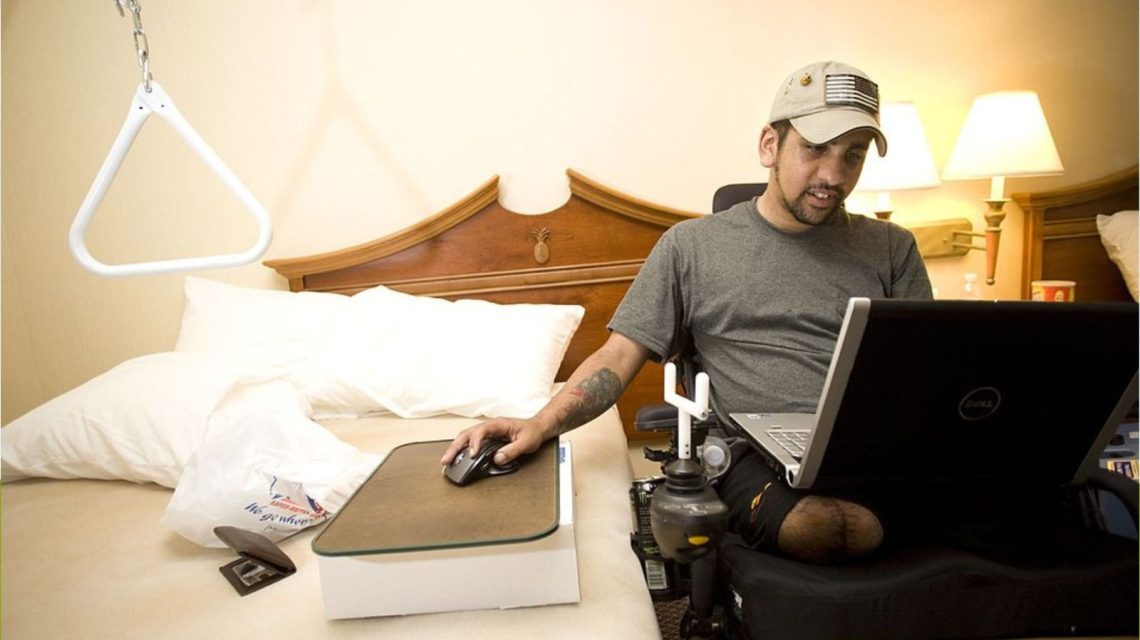
The House of Representatives has approved legislation aimed at increasing benefits for severely disabled veterans. The proposal, supported by Representative Mike Bost and Tom Barrett, offers a $10,000 annual boost to veterans with catastrophic service-related injuries requiring intensive care.
“It’s been decades since we’ve increased the amount that they receive,” Bost noted. “Decades since 9/11 that any increase at all was given.”
Why the Legislation Matters
Many veterans affected by this bill have received only minor benefit adjustments since the early 1990s. They often require continuous caregiving, specialized medical equipment, and help with daily activities. These expenses can financially strain families without extra federal support.
Key Changes Under the Bill
The legislation, named the Sharri Briley and Eric Edmundson Veterans Benefits Expansion Act, would raise Special Monthly Compensation (SMC) by $10,000 annually for severely disabled veterans. This increase targets veterans with severe conditions such as traumatic brain injuries, paralysis, or loss of multiple limbs, affecting approximately 7,000 nationwide.
Additionally, surviving spouses and families would receive a 1.5% boost in Dependency and Indemnity Compensation (DIC). Barrett expressed that the bill seeks to offer better support after years without meaningful benefit hikes.
“Our nation can never fully repay the debt we owe to the heroes and families who have served,” Barrett stated.
Potential Impact on Veterans
If enacted, the bill would:
- Provide additional monthly income
- Enhance financial security for families in caregiving roles
- Extend support for survivors of service members who perished in duty
However, the proposal remains pending and awaits Senate action. Final eligibility criteria and implementation timing require further congressional negotiations.
“An extra $10,000 a year would not solve every challenge, but it could make a significant difference,” Alex Beene told Newsweek.
Debate Over Funding
The cost of this legislation is projected to reach billions of dollars. Proposals to cover these expenses involve adjusting VA home loan fees for certain veterans, which has sparked controversy.
Kevin Thompson, CEO of 9i Capital Group, highlighted the complications inherent in such funding approaches.
“The bill seeks to fund part of the increase by charging higher fees on subsequent VA home loans,” Thompson explained.
Senate Proceedings
With House approval, the bill now progresses to the Senate. Over 20 veteran service organizations support it, including the Wounded Warrior Project and Veterans of Foreign Wars.
Alex Beene stated that the Senate’s decision will hinge largely on finding a feasible funding solution.
“Its path through the Senate will likely depend on agreement over funding,” Beene mentioned.
 Court Rules Against Third-Country Deportation Policy
  Trump Administration Bars News Networks from White House
  Lawsuit Filed Over Preeclampsia Death in Texas Amid Abortion Ban Controversy
  Cook County’s Loan Program Assists Suburban Agencies Amid Property Tax Delays
  Freddy Cazares: Navigating the Limbo of Immigration Detainment and Uncertain Release
  Controversy Over Immigration Policy Protest in South Carolina