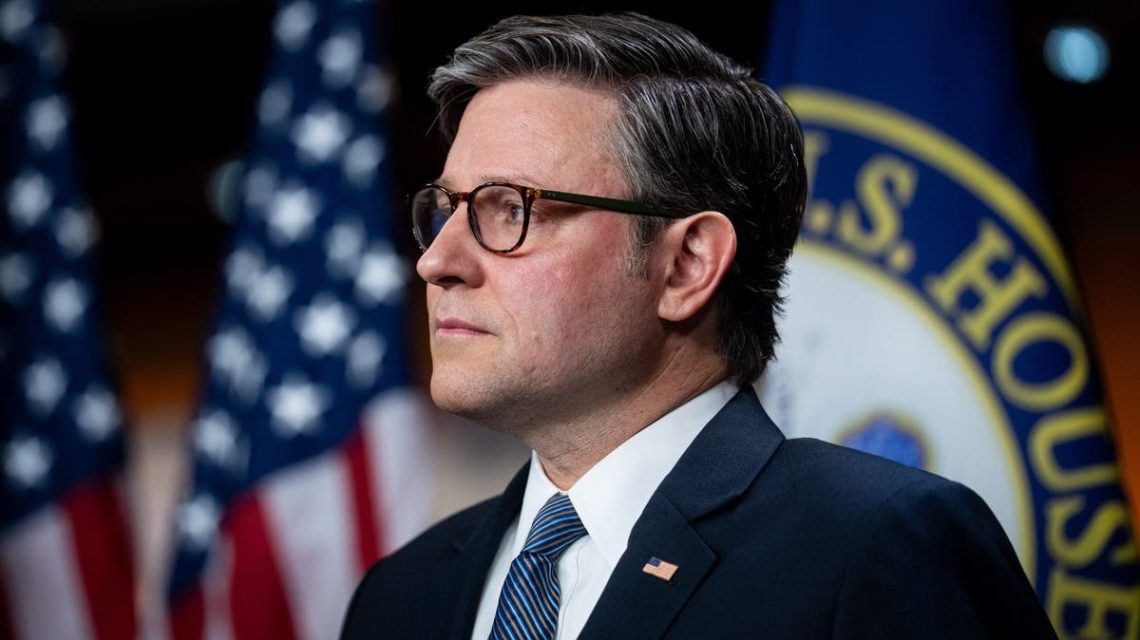
The Republican-led House recently approved a comprehensive security package that provides new military aid to Ukraine and implements sanctions on Russia. This move went against the Trump administration’s opposition. The legislation received backing from 18 Republicans who crossed party lines, securing a 226-195 vote. Kevin Kiley, an independent from California who aligns with Republicans, also voted in favor. Meanwhile, Rep. Ilhan Omar, D-Minn., was the sole Democrat voting against the bill.
Although House GOP leadership and the majority of Republicans opposed the bill designed to strengthen Ukraine’s defense, it won approval. The measure now moves to the Senate, where it will face challenges. The White House opposed the proposal, stating it would hinder President Donald Trump’s efforts to end the conflict. Trump has threatened to veto the measure, as per a statement.
The bill seeks to limit the President’s options by mandating a comprehensive U.S. response to the Russia-Ukraine war. It includes unfunded authorizations worth hundreds of millions.
The package confirms U.S. support for Ukraine and NATO, approving over $1.5 billion in new security assistance and $8 billion in direct loans. Additionally, it extends a Pentagon program that procures military equipment for Ukraine. Sanctions included in the legislation target energy profits, essential for Russia’s war efforts, and entities conducting business with sanctioned Russian companies. The White House cautioned that these mandatory sanctions could disrupt the global economy.
Some Republicans backing the measure stated their support was in line with Trump’s tradition of supporting Ukraine. Lawmaker Wilson from South Carolina commented, “President Trump has supported the people of Ukraine, and I will continue to do the same.” He emphasized that the American people support the courage of Ukrainians against Russian aggression.
Not all Republicans agreed. Some, like Rep. Randy Fine, R-Fla., argued that the bill was not about aiding Ukraine but about opposing Trump. Clay Higgins, R-La., expressed his disapproval of continued U.S. funding for Ukraine.
The momentum behind the bill gained traction after a Democrat-authored discharge petition prompted a vote. This bypassed GOP leadership’s typical control, including opposition from House Speaker Mike Johnson, R-La. Democrats, led by House Minority Leader Hakeem Jeffries, justified their actions by stating that the minority had governed as if in the majority.
Criticism arose over the bill’s contents, which some Republicans considered outdated or ineffectively drafted. The bill suggests NATO countries increase defense spending to 2% of their economic output, whereas Trump had secured a 5% commitment from allies. This point led Rep. Ryan Mackenzie, R-Pa., to suggest the bill hampers progress.
The legislation offers a lower figure for training and equipping Ukraine’s military compared to last year’s defense policy. Rep. Keith Self, R-Texas, argued that supporting the bill means delaying peace as negotiations are inevitable. Supporters countered that, with the war ongoing, Ukraine needs military aid.
Ultimately, the debate framed the decision as one of decisive action versus appeasement, with proponents urging the choice of strong support exemplified by Churchill’s stance in history.
 Political Strategies for the Upcoming Midterm Elections
  Trump Considers Diesel Export Ban Amid Rising Fuel Prices
  Texas Senate Race: Talarico Takes Lead in Youth Vote
  Criticism Arises Over Michigan Senate Nominee’s Association with Streamer
  Homeland Security Takes Action Against Voter Fraud
  Iowa Senate Election: Turek Leads in Polls Amid Economic Concerns