
The White House has proposed a defense budget of $1.5 trillion. This request seeks to avoid forced choices between capacity, capability, and readiness. However, a budget request is only the beginning. Congress must address the yearly federal budget dysfunction to align its fiscal powers with national defense needs.
Elected leaders have a primary duty: providing for the common defense. Yet, political divisions have led to a historical full government shutdown, which is an unwanted record. Positive changes are underway, such as the 2025 budget reconciliation enacted in July, including $150 billion in mandatory defense spending. Defense authorizers introduced capability-focused funding with extended spending periods. For 2027, a similar approach with $350 billion is expected.
Recent efforts by Congress aim to address issues. Proposed legislation would ensure federal workers are paid during shutdowns and apply penalties for legislative inaction. The Shutdown Fairness Act proposes pay during shutdowns. The Prevent Government Shutdowns Act suggests automatic two-week funding stopgaps for delayed appropriations and restricts taxpayer-funded travel. The Senate approved suspending senator pay during shutdowns, effective next Congress.
These measures, although positive, lack a comprehensive solution. A real solution must render budget inaction toxic and be sustainable and bipartisan. Here are three strategies to achieve this:
- Align congressional pay with timely appropriations. A 10% pay cut for each delay week after the fiscal year starts could motivate timely action.
- Link term limits to performance. If representatives miss budget deadlines in three of six years, they should not seek reelection.
- After the fiscal year begins on October 1, halt all congressional priorities until the annual appropriations are complete.
Adopting these incentives would emphasize the urgency of Congress fulfilling its primary duty and save taxpayers billions lost under continuing resolutions. Additionally, Congress needs to build on last year’s progress to improve appropriations and oversight. This includes passing another defense budget reconciliation and addressing Pentagon reform requests like updated reprogramming thresholds and multi-year procurement authorities.
A comprehensive overhaul of reporting requirements and budget structures would blend the Pentagon’s flexibility needs with real-time contracting and oversight capabilities. Fixing budget gaps can enhance military competitiveness, prosperity, and global standing.
This fiscal reform effort could symbolize congressional strength and deliver an anniversary gift to taxpayers before the upcoming midterm elections. Elaine McCusker, a senior fellow at the American Enterprise Institute, previously served as the Pentagon’s acting undersecretary of defense (comptroller).
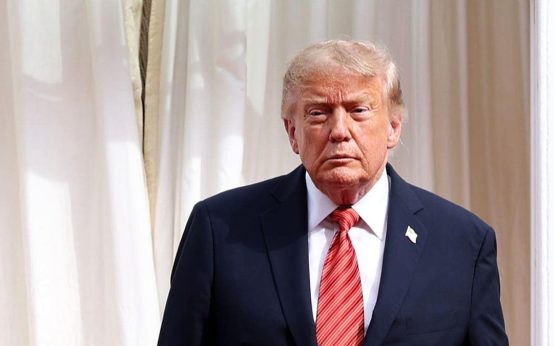 Trump Pressures Republicans on Filibuster Threat
 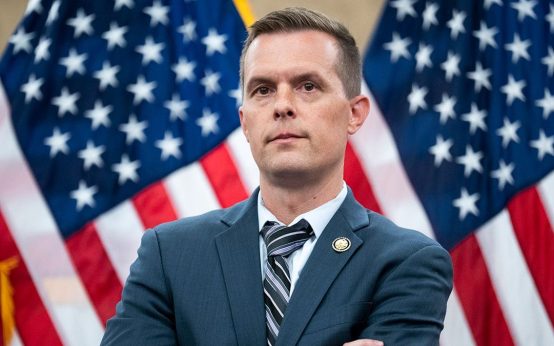 Rep. Golden Endorses Rep. Lawler for Re-election
  Public Perception and Political Impact of Data Centers
 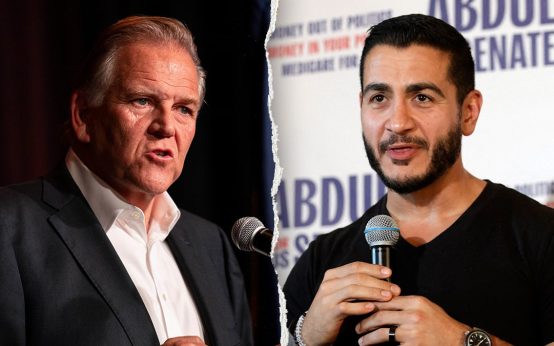 Jewish Democrats in Michigan Shift Support to GOP Candidate in Senate Race
  Mayor Mamdani and President Trump Discuss Major Housing Project in NYC
 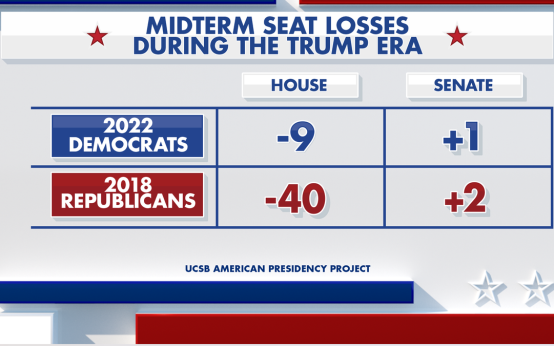 Poll Reveals MAGA’s Increasing Popularity Over DSA as Democrats’ Future Debated