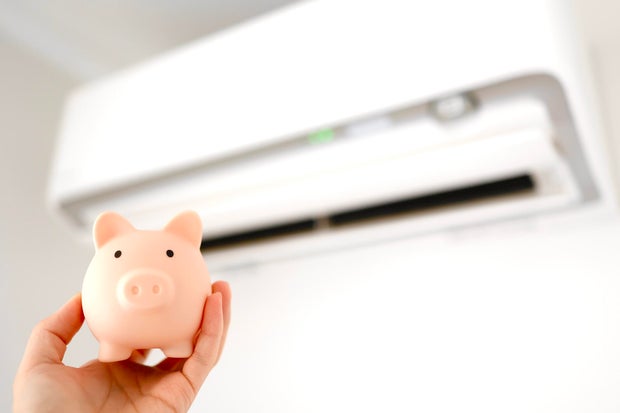
Increasing living costs in today’s economic climate have pushed homeowners to be more strategic with their spending. While many delay home renovations or appliance replacements, a home’s heating and cooling system is often overlooked until problems arise. This oversight can lead to higher expenses as HVAC systems become less efficient, consuming more electricity and developing costly issues.
Many of these costly problems stem from common homeowner errors that are preventable. Understanding which habits can shorten the lifespan of your HVAC system or increase your energy bills can help avoid such expenses. Here are seven frequent HVAC mistakes to be aware of.
Common HVAC Mistakes to Avoid
Ignoring Regular Maintenance
Regular maintenance is essential yet often neglected by homeowners until serious issues occur. Preventive maintenance once or twice a year is more cost-effective than addressing unexpected breakdowns. It enables the early detection of minor issues like worn belts or dirty coils, preventing them from escalating into major repairs. Ignoring routine check-ups can lead to emergency services and possibly early replacement.
Neglecting Air Filter Changes
Clogged air filters force the HVAC system to expend more energy to circulate air, increasing energy costs and placing a strain on system components. Regularly replacing the air filter can maintain efficiency and control cooling costs. The general recommendation is every one to three months for filter changes; however, homes with pets or allergy sufferers might require more frequent replacements.
Delaying Small Repairs
System noises or uneven room temperatures may seem minor, but delaying repairs can escalate costs. Simple issues like failing capacitors or malfunctioning thermostats can evolve into more expensive damage if ignored. Addressing these promptly can avert major component failures and avoid choosing between costly repairs or replacements.
Lowering the Thermostat Excessively
Contrary to belief, setting the thermostat much lower doesn’t cool the house faster. HVAC systems generally operate at a consistent speed, and lowering the thermostat significantly can lead to longer operation times, increasing energy consumption without faster cooling. Setting a comfortable target temperature and letting the system reach it naturally is more efficient. Using programmable thermostats can further optimize energy use.
Skipping Professional Inspections
Professional HVAC inspections should not be fully replaced by DIY maintenance. Technicians can spot issues like refrigerant leaks and airflow problems that are not obvious to homeowners. Early detection during these checks can help avoid expensive repairs and improve system efficiency. The cost of professional maintenance is often offset by the prevention of major system fixes.
Choosing the Cheapest Replacement
While cost considerations are important, opting for the lowest-priced HVAC replacement is not always a financially sound decision. A lower-priced system might lead to higher utility bills, frequent repairs, and reduced comfort. Higher-efficiency systems, though costlier upfront, can provide savings over time. It is crucial to assess the total ownership cost, not just the initial expense.
Selecting Contractors on Price Alone
Obtaining multiple quotes for HVAC work is advisable, but selecting the cheapest quote can be misleading. Lower prices may indicate lower quality equipment, fewer services, or installation shortcuts that impact system performance. Contractor selection should be based on factors like licensing, experience, warranties, and customer reviews. Evaluating the proposal details can ensure quality installation over simply selecting the lowest price.
In summary, while HVAC systems are substantial investments, the most expensive mistakes are typically easier to prevent. Simple actions such as timely filter changes, addressing minor issues, and regular professional maintenance can enhance efficiency and mitigate major repair costs.