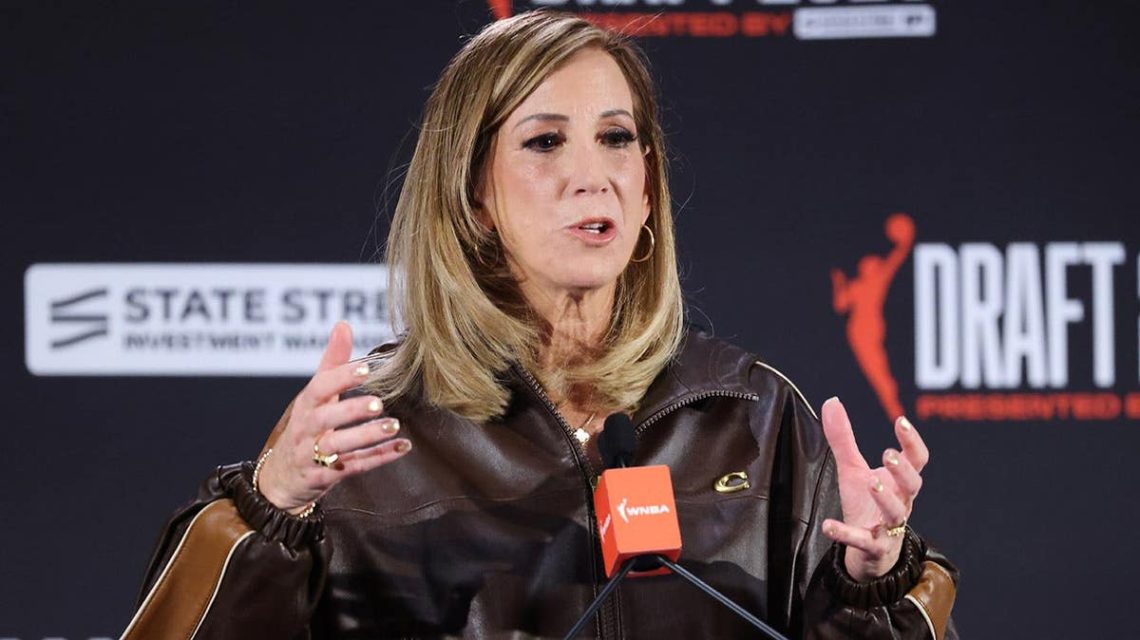
WNBA Commissioner Cathy Engelbert addressed recent controversies surrounding transgender athletes during a statement in Dallas. A week earlier, the league issued a statement expressing dissatisfaction with concerns about transgender participation. Engelbert criticized those using the league to create division and emphasized the impact of such actions.
“People are trying to use the league to sow divisiveness,” Engelbert said while appearing with Wings CEO Greg Bibb. Engelbert expressed frustration at being used as a political tool by individuals unfamiliar with or uninvolved in the WNBA.
Fueling the controversy, WNBA players and media condemned Fever star Sophie Cunningham for comments she made about protecting young girls from competing against biological males. The backlash prompted former NBA players Enes Kanter Freedom and Royce White to declare themselves eligible for the WNBA draft as women.
The WNBA’s collective bargaining agreement states eligibility for players who identify as women but lacks specific language regarding men who identify as women. Engelbert seemingly views Freedom, White, and similar proponents as those causing division in the league.
The divisiveness, however, arises among WNBA players and media openly critical of Cunningham’s stance on protecting female athletes. DiJonai Carrington of the Chicago Sky was ejected after a severe foul on Cunningham, escalating tensions further.
Sophie Cunningham clarified her comments in an interview with ESPN, emphasizing her intention to spread love and honesty while protecting young girls in sports. Cunningham believes in safeguarding young athletes from competing with biological males, a sentiment shared by 78% of adults according to polls.
Despite Cunningham’s commonsense approach, her remarks led to widespread backlash, including protests and hostility within the league.
Amidst this turmoil, supporters defend figures like Caitlin Clark due to apparent mistreatment from various league entities. The criticism Clark faces highlights racial and political undertones, prompting outside voices to weigh in.
WNBA insiders paint contrasting narratives, with Cindy Brunson defending DiJonai Carrington and suggesting Cunningham’s ejection following a violent incident.
In this complex scenario, Engelbert identifies divisive actors but struggles with the political implications within the WNBA.
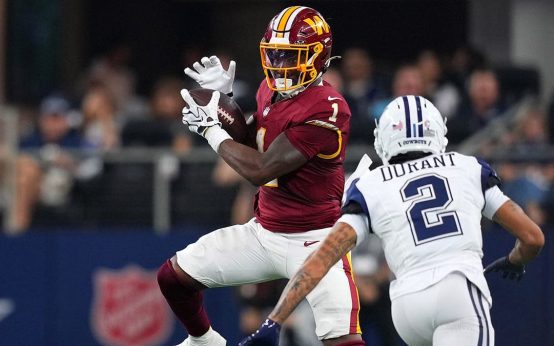 Dallas Cowboys Defeat Washington Commanders Amid Player Injury
 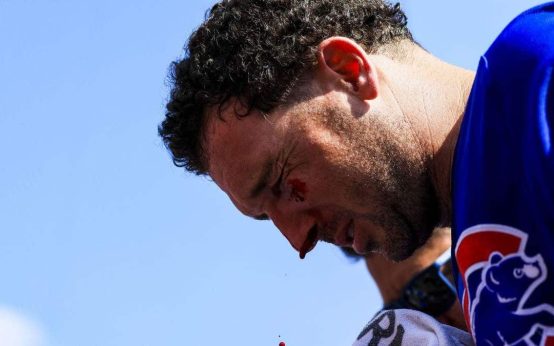 Chicago Cubs’ Alex Bregman Suffers Facial Injury from Foul Ball
 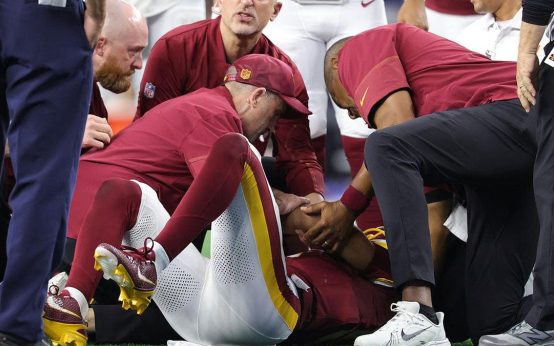 Washington Commanders Face Major Setback as QB Jayden Daniels Suffers Elbow Injury
 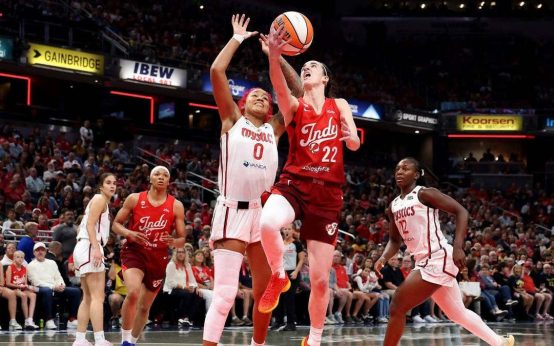 Indiana Fever’s Struggles Against Washington Mystics
 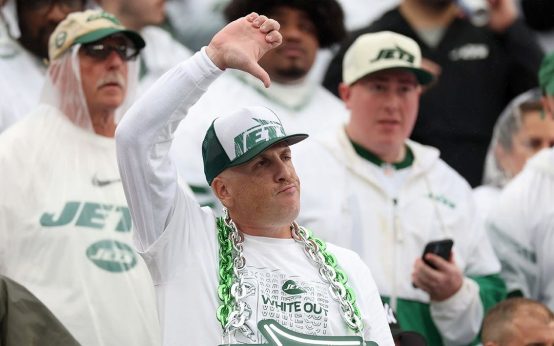 New York Jets Fall to Green Bay Packers After Fourth-Quarter Collapse
 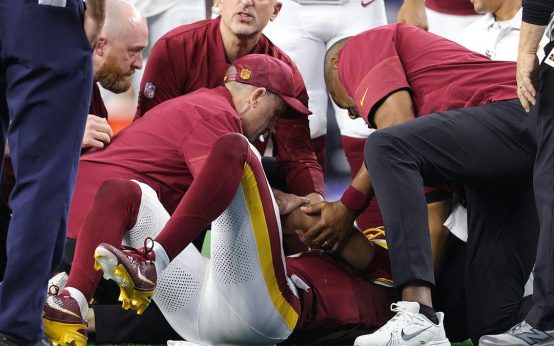 Washington Commanders’ Jayden Daniels Faces Potentially Season-Defining Elbow Injury