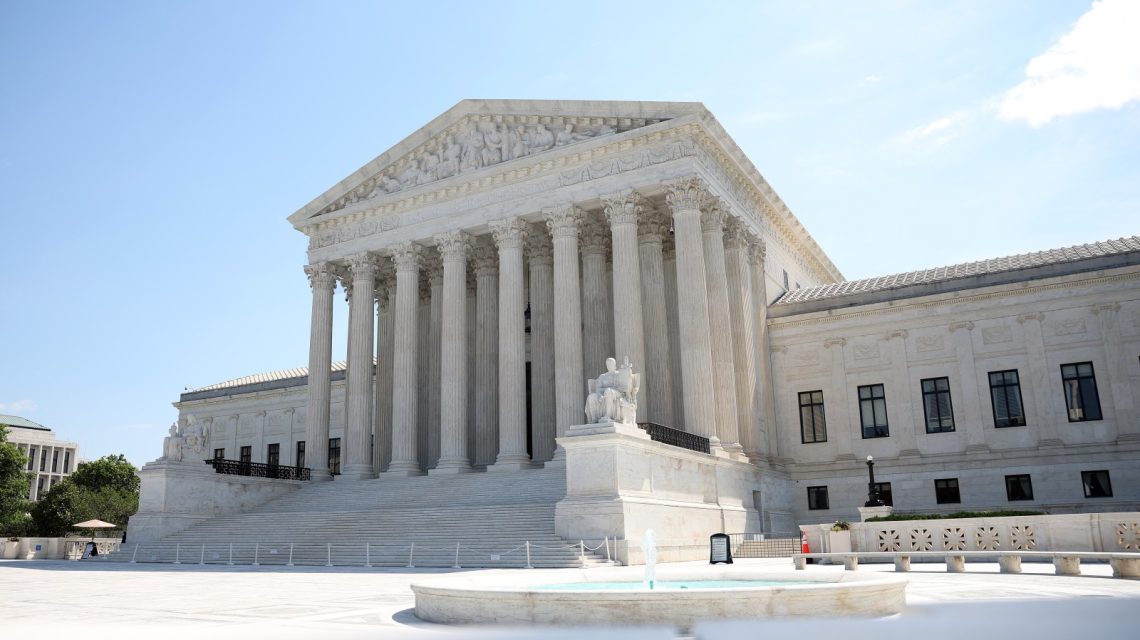
On Friday, the White House announced that President Trump would cut $810 million from congressionally approved spending. This decision targets minority groups, immigrants, and research programs through a legal maneuver called a pocket rescission. Trump employed a similar tactic last year to block $4 billion in spending, which reached the Supreme Court. Although the Court did not decide on the legality, it did overturn an injunction that would have required the funds to be used as Congress intended.
The Trump administration’s decision to use this controversial power has faced criticism, as some argue it is illegal. This approach reflects the administration’s determination to reduce what it considers wasteful spending, even if it leads to disputes over traditional congressional spending powers. Should this practice become standard, it would significantly increase presidential control over government spending compared to Congress.
New Pocket Rescission
The White House, in a statement, described the pocket rescission as a “long neglected” presidential power under the 1974 Impoundment Control Act. It aims to cut what the administration views as wasteful government spending. The targeted spending includes funding for nongovernmental organizations supporting migrants and assisting with housing, as well as programs for foreign academics and students in the U.S.
Under the Impoundment Control Act, the president can temporarily withhold authorized spending while asking Congress to reconsider its stance. Congress has 45 days to accept or reject the president’s proposal. However, since the fiscal year ends on September 30 and the House is not expected to return until after the November midterm elections, Congress likely lacks the time to respond. This situation results in a pocket rescission, where spending remains blocked, circumventing the legislative branch’s constitutional power of the purse.
2025 Supreme Court Case
In 2025, the Trump administration used the same tactic to withhold $4 billion in spending from USAID and the State Department. This move, part of a reduction in foreign aid spending, left Congress unable to overrule it due to the fiscal year’s imminent end. Senator Susan Collins, the Republican Senate Appropriation Committee chair, called the move “unlawful and not permitted by the Impoundment Control Act.” The case reached court after groups deprived of funding challenged the decision. Initially, the U.S. District Court for the District of Columbia issued an injunction requiring the release of $4 billion as Congress set out.
However, on September 26, the Supreme Court agreed to a stay of this injunction in a 6-3 ruling. The ruling noted that the Impoundment Control Act barred the suing groups from bringing the case. The court highlighted that the potential harm to executive foreign affairs outweighed other potential harms, though it emphasized that this was not a final decision on the case’s merits.
Pocket Rescission Criticism
Senate Minority Leader Chuck Schumer criticized the decision to again use a pocket rescission to block $810 million in spending. Schumer stated, “With this rescissions package, the Trump administration is illegally stripping nearly $1 billion in critical funding that supports kids, K-12 students, small businesses, and research in health and clean air.”
Senator Collins argued that the administration’s decision demonstrated an intentional withholding of funds to execute what she described as an “unlawful cancellation of appropriations.” Collins added, “Not only is the delay itself an impoundment not reported to Congress, but it also usurps Congress’s appropriation powers.”
 President Trump’s Executive Assistant Faces Satirical Mockery
 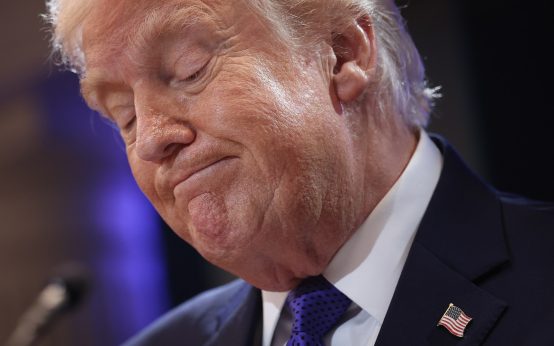 Trump Criticizes Supreme Court in Missouri Redistricting Dispute
 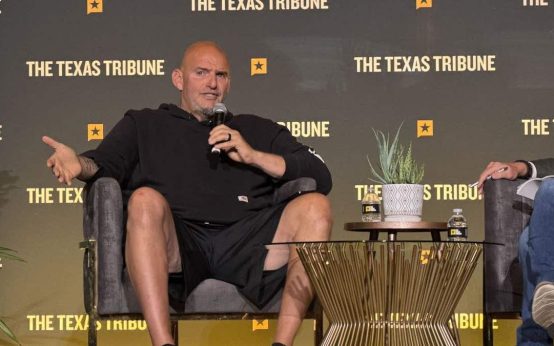 Senator John Fetterman’s Humorous Gaffe at Texas Tribune Festival
  California Enacts New Industrial Regulations Following Fire
 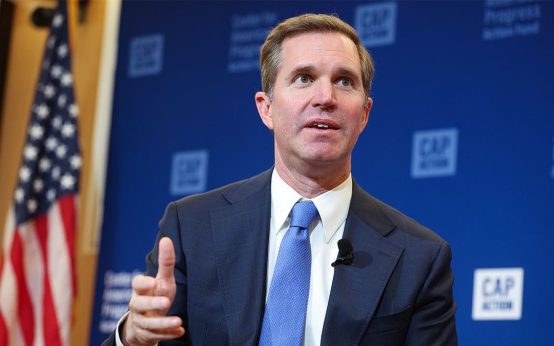 Kentucky Governor Andy Beshear Defends Transgender Policies Amid Criticism
 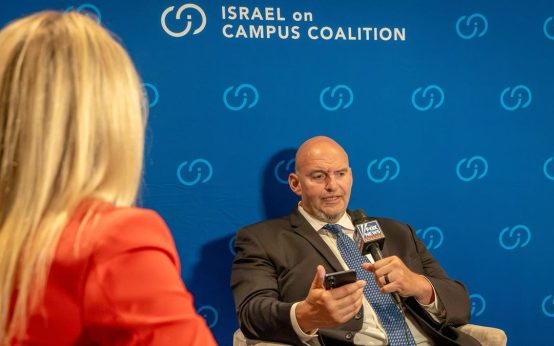 Senator Fetterman Critiques Democratic Party’s Stance on Israel