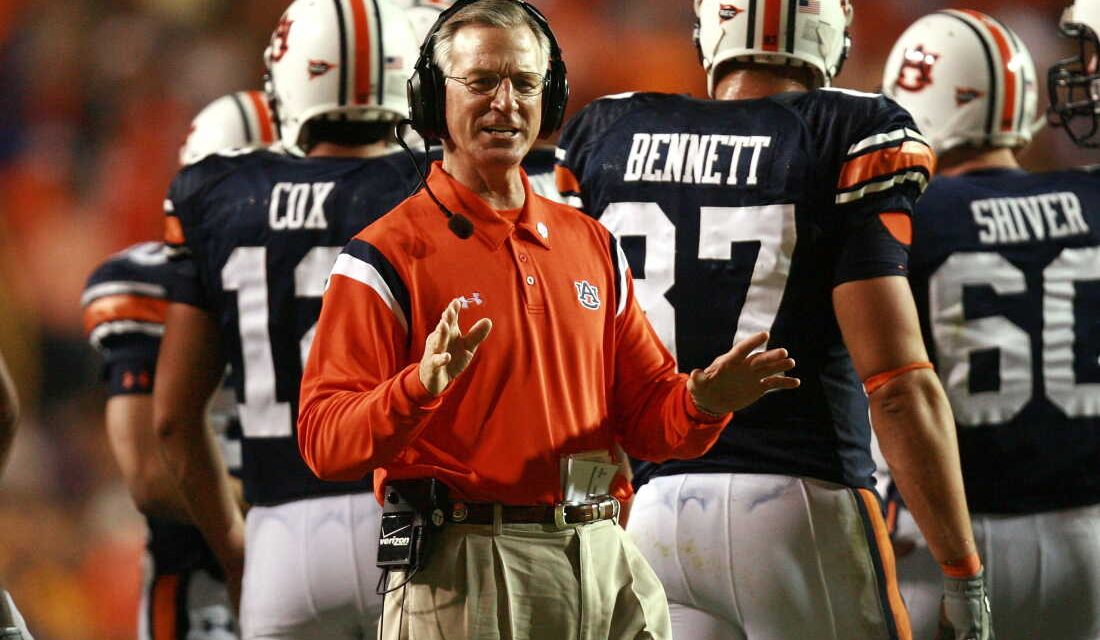
Tommy Tuberville, a former Auburn football coach and now an Alabama Republican senator, is advocating for the Protect College Sports Act in Congress. Tuberville, alongside other senators who were college athletes, aims to address issues in Division I athletics.
The Protect College Sports Act, likely to pass the Senate soon, seeks to address challenges in college sports. These include the high salaries of athletes, frequent school transfers, and increasing athletic department budgets. The act has the support of senators who were once NCAA athletes, informing their perspective on college sports reform.
Tuberville, who spent many years in college sports, played football at Division II Southern State and later coached at Ole Miss, Auburn, Texas Tech, and Cincinnati. His career in sports ended soon after a lawsuit by former UCLA basketball player Ed O’Bannon challenged NCAA’s amateurism rules. This lawsuit led to athletes receiving name-image-likeness (NIL) payments, changing the college sports landscape significantly.
Tuberville acknowledges the benefits of athletes earning for their contributions. However, he argues that the dilution of NCAA rules on player eligibility and transfers has been detrimental. Initially opposed to government involvement in sports, he now supports the Protect College Sports Act, which seeks to restore the five-year eligibility rule and regulate transfers.
Other senators with sports backgrounds include Jim Justice from West Virginia and Ron Wyden from Oregon, both former athletes. Cory Booker, a Democrat from New Jersey, played football at Stanford and shares concerns about fair treatment for college athletes. Booker voices worries about unfair financial situations for athletes and has proposed amendments to the bill, such as capping coaches’ salaries at $5 million.
The Protect College Sports Act includes provisions like increasing permissible player payments and managing NIL deals and agent compensation. It also seeks to maintain women’s and Olympic sports, limit super conference formations, and cap conference sizes.
Negotiating the bill has taken over a year, with bipartisan efforts to ensure its passage. Missouri Senator Eric Schmitt, who played football and baseball in college, emphasizes the value of resilience learned through sports in legislative processes. Schmitt, initially skeptical of federal intervention, now plays a pivotal role in the bill, which appears poised to pass with substantial bipartisan support.
The Senate’s final vote is set for soon, marking a major step in reforming college sports. However, the bill faces challenges in the House, which remains on recess.
 Judge Temporarily Restores CNN’s Access Amid White House Restrictions
 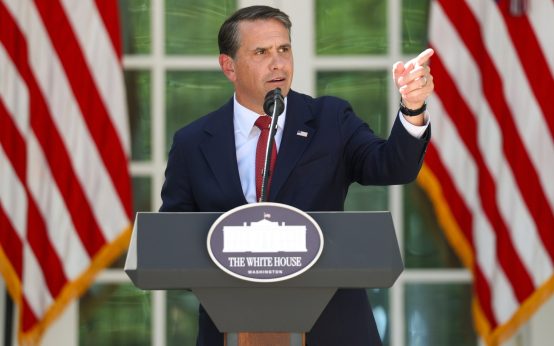 Attorney General Defends Trump’s Media Restrictions Amid Legal Battle
  JD Vance’s Vision for America Resonates with Small Towns
 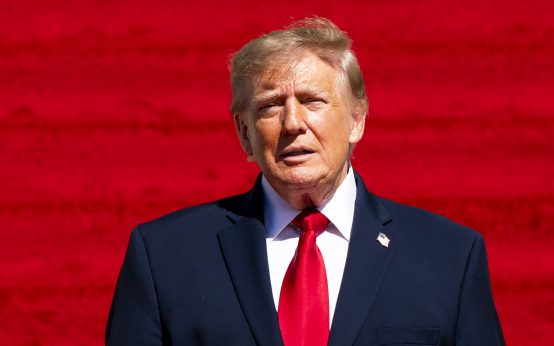 Trump Administration Shuts Down Refugee Program for Iranian Minorities Amid Rising Antisemitism Concerns
  Trump Criticizes Rep. Salazar Amid Election Tensions
  U.S. Space Academy Plans and States’ Competition