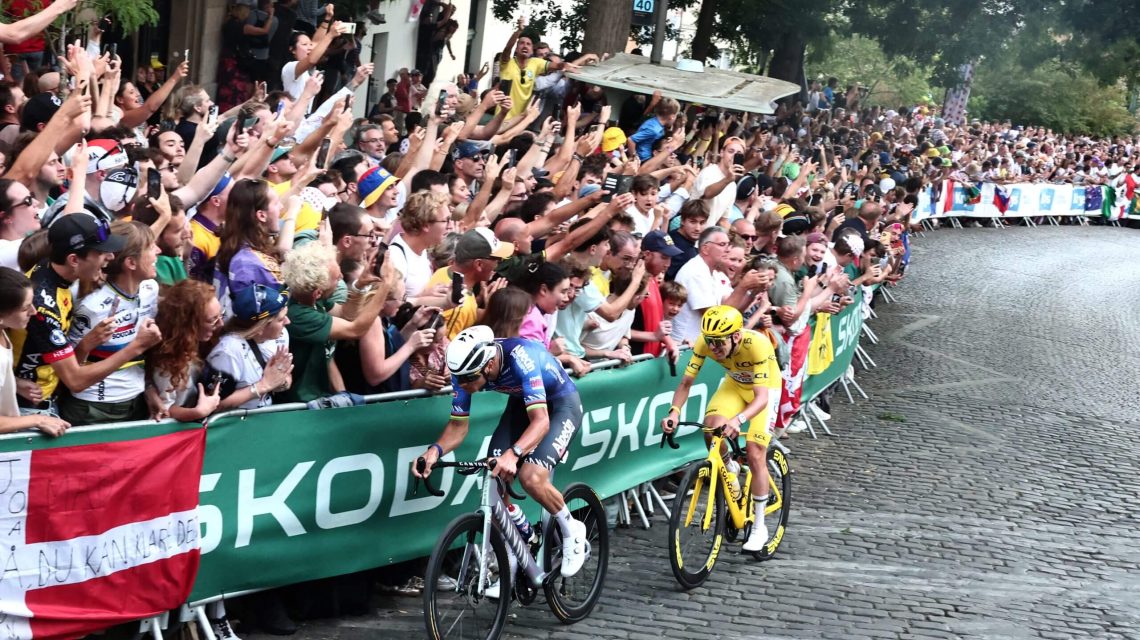
Mathieu van der Poel achieved a remarkable victory on the final stage of the Tour de France, managing to keep the lead against formidable sprinters on the Champs-Élysées. Collaborating with yellow jersey holder Tadej Pogačar after breaking away on the last ascent of Montmartre, it seemed unlikely they would maintain their advantage as the sprinter teams narrowed the gap. Yet, while Pogačar was caught near the finish, Van der Poel pushed onward, discovering an additional burst of speed to fend off challengers.
Pogačar, finishing in 30th place, marked his fifth Tour de France victory, joining an elite group of only five cyclists to reach this milestone. Meanwhile, Mads Pedersen, Richard Carapaz, and Isaac del Toro claimed the green, polka dot, and white jerseys respectively. Sportswriters Jacob Whitehead and Duncan Alexander recount this unforgettable stage of the 2026 race.
The Extraordinary Feat of Van der Poel
While Van der Poel grimaced in pain, Pogačar generated a faint smile as they both pushed past their limits. Their expressions mirrored the resilience of athletes out to prove themselves. Cycling delivers unexpected partnerships, as the greatest classics cyclist of his generation, Van der Poel, joined forces with a generational talent, Pogačar. Together, they worked on the Champs-Élysées to capture one of the few accolades eluding them.
Van der Poel charged up Montmartre, accompanied by Pogačar. They forged ahead, battling over the Parisian cobbles, chased fiercely by a Visma-led group and a Decathlon CMA CGM train working for Olav Kooij. Their precarious lead, merely 12 seconds with 10 kilometers remaining, illustrated the exceptional abilities and performances of these riders, making the improbable escape a reality.
An Unforgettable Exhibition
In Paris, Van der Poel and Pogačar delighted fans with thrilling performances, culminating in Van der Poel’s heroic sprint 800 meters from the line. Overcoming visible fatigue while approached by formidable sprinters Jasper Philipsen and Pedersen, the finish became a blur with Philipsen celebrating his teammate’s victory. Exhaustion caught up with Van der Poel post-race, as he leaned against barriers for support.
Last year’s winner, Wout van Aert, emphasized the intensity of their rivalry, with Van der Poel matching his achievement. Pogačar complimented Van der Poel, admitting, “We pushed ourselves to our limits. I depleted my energy, yet we needed to try. He secured a great victory.” Montmartre continued to provide thrilling conclusions, and suggestions arose to preserve its place in the race format.
Has the Final Stage Achieved Perfection?
The adaptability of the Tour de France route is highlighted by annual changes, incorporating new climbs and roads. Inspired by the 2024 Paris Olympics, organizers introduced the narrow, cobbled Côte de la Butte Montmartre, turning the stage a puncheur’s paradise, as exemplified by Van Aert’s 2025 victory.
This year brought further modifications, adding four kilometers from Montmartre to the finish line, granting sprinters additional opportunities. However, the balance was maintained as a splinter group was caught before the next lap.
On the second ascent, an elite group formed, defined by Pogačar and Van der Poel’s break from the pack, soon joined by Evenepoel and Pedersen. Yet, with collective effort, the peloton closed the gap.
The third attempt differed, with British champion Fred Wright initially leading until Van der Poel and Pogačar made their move. They skillfully created a gap of approximately 10 seconds to escape the pursuers and secure their legacy. Such action reinstates hope in the final stage’s future format.
Notable Performances and Challenges
The Tour was notable for American cyclists’ involvement, despite comprising only six riders. Brandon McNulty delivered a strong performance supporting Pogačar, despite being absent from final stages due to health concerns.
Sepp Kuss and Matteo Jorgenson fulfilled significant roles on Visma. Kuss demonstrated remarkable endurance, especially in mountain stages. Despite setbacks, such as an Alpe d’Huez crash, the team performed admirably.
As a promising young cyclist, Matthew Riccitello showed prowess supporting Paul Seixas. Quinn Simmons prioritized the team over personal ambitions but remains a top rider without podium finishes. Sean Quinn narrowly missed the yellow jersey on stage four. Collectively, the results showcased the promise of American cycling.
Conversely, British cycling struggled. Tom Pidcock achieved ninth in GC without a coveted stage win, marking a year without top-five finishes or stage victories for the UK.
Farewell to Tour Stars
In 2019, Julian Alaphilippe came close to winning the Tour, raising hopes for a French victory. His subsequent achievements include World Championships and monumental stage wins.
This Tour served as a farewell for Alaphilippe, as he acknowledged his capacity was exhausted. Other cyclists like Magnus Cort, Damiano Caruso, and others are winding down their career, making their participation significant.
The sense of unknown that every arrival in Paris entails underscores the sentimental farewell each cyclist experiences, no matter their career status.
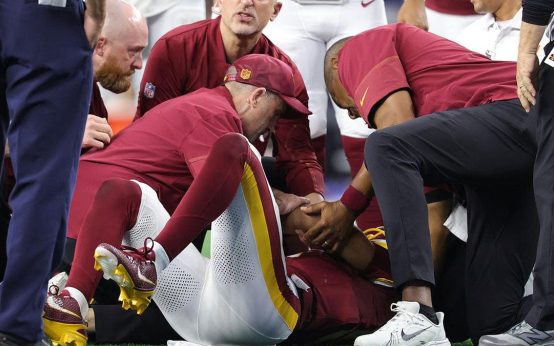 Washington Commanders Face Major Setback as QB Jayden Daniels Suffers Elbow Injury
 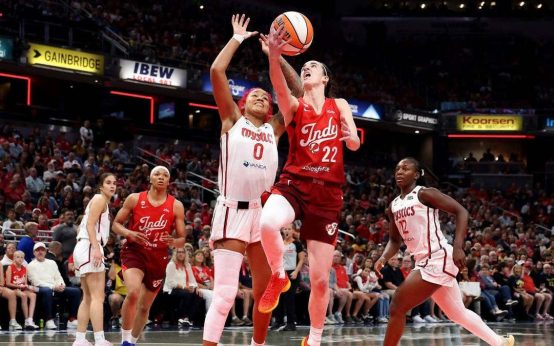 Indiana Fever’s Struggles Against Washington Mystics
 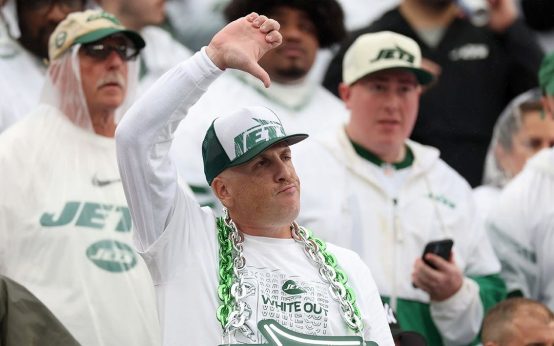 New York Jets Fall to Green Bay Packers After Fourth-Quarter Collapse
 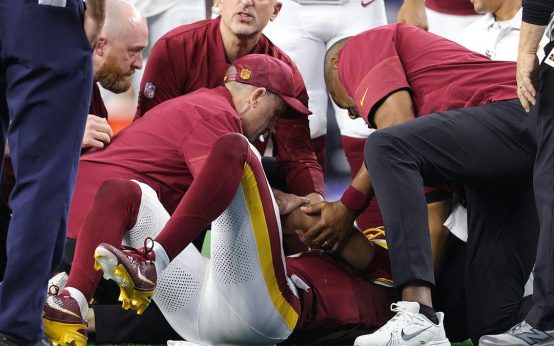 Washington Commanders’ Jayden Daniels Faces Potentially Season-Defining Elbow Injury
 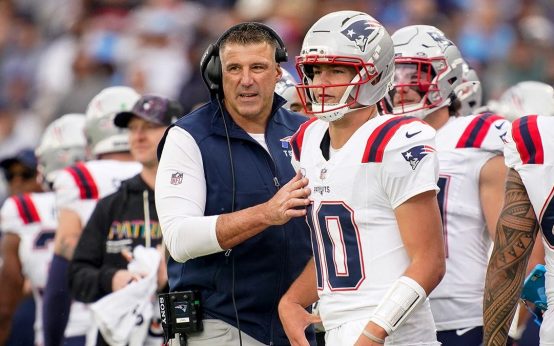 Patriots Secure Win Against Steelers Amid Quarterback Questions
 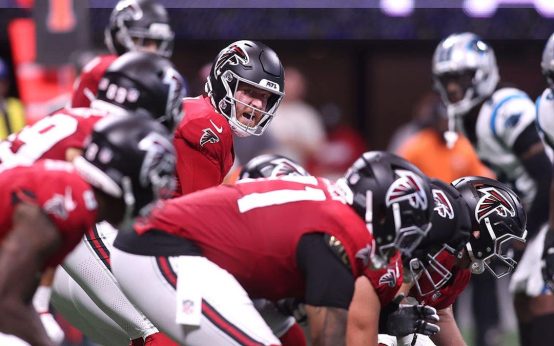 Atlanta Falcons’ Quarterback Struggles Continue