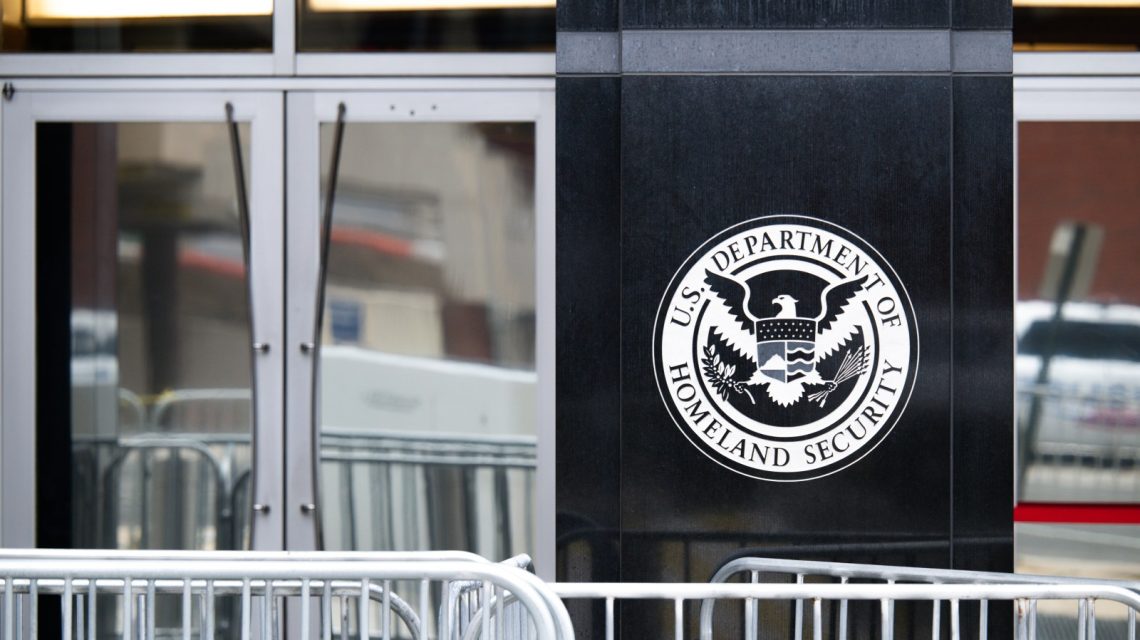
The United States Citizenship and Immigration Services (USCIS) has recently announced important changes to the documentation required for temporary stay programs. Thousands of applicants are encouraged to familiarize themselves with these updates. Effective from September 15, older versions of two key forms, I-539 and I-765, will no longer be accepted.
Key Updates to Forms
USCIS will be updating Forms I-539 and I-765. The I-539 form is used for extending or changing the nonimmigrant status held by certain students, dependents, and others with specific visas. Form I-765 is utilized for employment authorization purposes.
Starting mid-September, only the new versions of these forms will be accepted. Applicants submitting older versions after this date will face rejection. Unlike in previous updates, there will be no grace period allowing the use of older forms. Preview copies of new forms are available for preparation, but applicants must wait until mid-September to officially submit these forms.
Understanding the Reason for Changes
The Department of Homeland Security (DHS) has introduced a new rule that establishes a fixed time period of admission for certain nonimmigrant categories. This change affects international students, exchange visitors, and foreign media representatives who hold F-1, J-1, and I visas.
Historically, these individuals were admitted under the “Duration of Status” system, allowing them to remain in compliance with their respective programs without a specific expiration date. The new rule requires these entrants to have a set admission period and to seek formal extensions if needed.
The DHS aims to align these categories with other nonimmigrant visas, enhance oversight, and ensure continued lawful status. Previously, students and visitors could maintain status for extended periods without direct interaction with immigration authorities.
Concerns and Implications
This change has raised concerns among higher education institutions and immigration advocates. They highlight potential administrative burdens and financial costs, including filing fees and additional paperwork. Universities may need to allocate more resources to assist students and scholars in understanding the new extension-of-stay process.
Northwestern University’s Provost, Erik Luijten, stated in a recent letter that these changes could impact not only international students and scholars but also the broader administrative and academic operations of universities. The financial and administrative impact is a significant concern for educational institutions.
 Key Issues Emerge in Maine Senate Debate
  Steve Hilton Emphasizes Principled Policies Amid California’s Political Landscape
  Former German Spy Chief Arrested for Espionage and Treason
  Debra Messing Endorses Republican Bruce Blakeman, Citing Concerns for New York
  Trump Criticizes Fox News for Airing Democratic Candidates
  Susan Collins and Troy Jackson’s First Senate Debate Highlights