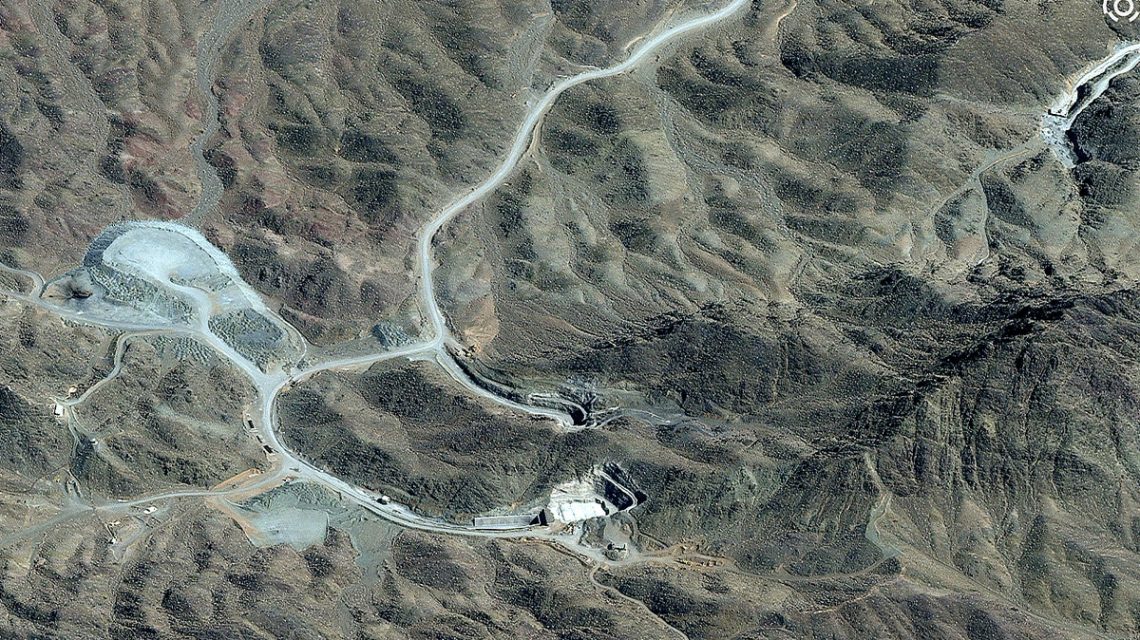
The US government is reportedly weighing a plan to acquire enriched uranium from Iran’s underground nuclear facility, particularly at Pickaxe Mountain. This discussion arises amidst satellite images showing construction activity and concerns regarding Iran’s new leader, Mojtaba Khamenei, and his interest in pursuing advanced nuclear weapons. Former CIA Station Chief Dan Hoffman provides insights on available intelligence and military strategies.
The Pentagon is rumored to have revived an extraordinary option for former President Donald Trump: deploying thousands of American troops into Iran to capture enriched uranium from compromised and concealed nuclear facilities. It’s described not as a raid, but as a temporary incursion into adversarial territory. Despite forewarning, the uncertainty in defenses and contents at these sites poses significant risks. The mission may trap troops in a complex scenario with no definitive end or clear escape route.
A comparison is drawn to Operation Eagle Claw, an unsuccessful hostage rescue mission in 1980, which faced mechanical failures and led to American casualties even before reaching Tehran. While today’s military has advanced capabilities, geographical and logistical challenges, along with enemy actions, cannot be underestimated. When asked about the mission, Trump stated he considered and rejected it early, not wanting to replicate Carter’s scenario.
The proposed mission’s complexity surpasses that of Eagle Claw. In 1980, the location of hostages was roughly known. Today’s situation with Iran presents uncertainty about the precise storage locations of enriched uranium. Questions remain regarding whether it has been divided or moved, with international inspectors last verifying its location nine months ago. The Pentagon’s plan involves securing facilities at Fordow, Isfahan, and Pickaxe Mountain, where Iran may have relocated centrifuges. Estimates indicate thousands of troops might be needed, including Army Rangers, special operations forces, and engineers.
Pickaxe Mountain is believed to be deeper than the recently targeted Fordow plant. Importantly, available evidence does not conclusively place enriched uranium there. Instead, it likely houses centrifuges. Analysts suggest entering it could reveal an already evacuated objective. Recently, Iran has threatened regional infrastructure in response to mounting pressures, indicating preparedness for retaliatory actions.
The absence of the element of surprise is notable. Iran anticipates possible targets, having fortified roads and entrances with obstacles. Air assaults to suppress Iranian defenses could initiate an operation. Yet, logistical hurdles remain in managing roads, tunnels, and constructing necessary infrastructure for equipment deployment. Simultaneously, a response from Iran’s Islamic Revolutionary Guard Corps is likely, targeting American bases, disrupting shipping routes, and activating regional allies.
Given these complexities, questions have arisen about why controlling site access instead may not be a more viable approach. Collapsing tunnel entrances and maintaining surveillance could prevent use of the facility by Iran. This strategy may allow for sustained monitoring and strikes on any attempt to reactivate the site, posing fewer risks to American troops.
Wars punish leaders who mistake a strong image for a sustainable outcome,”
a senior official emphasizes. Rather than counting targets destroyed, the focus should be on achieving a lasting political resolution. The administration faces mounting pressure to transform tactical victories into substantial strategic achievements.
Before initiating such an operation, critical questions need answers: Do we know where the uranium is? How could it be accessed? What number of troops is required for perimeter security? How would Iran’s counteraction be managed? Importantly, does the administration possess the needed legal authority and public backing for such a ground mission? As emphasized, determining whether the uranium’s capture is justified depends on measuring the achievement against potential costs and considering alternatives with similar strategic benefits.
 Gorillaz and Macklemore Respond to Controversy Over Israel-Palestine Statements
 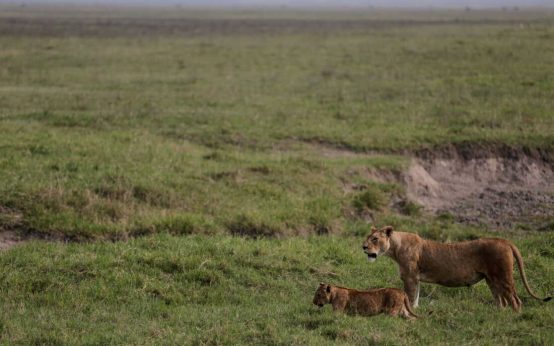 Investigation into Lion Deaths in Tanzania
 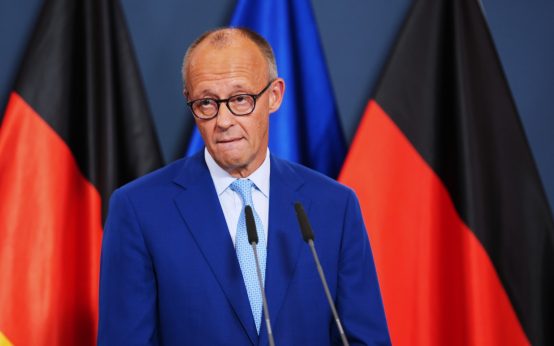 Merz Stays Resolute Amid Electoral Shifts in Germany
 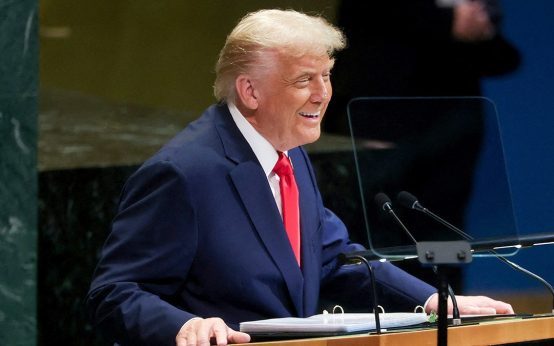 U.S.-Iran Relations and Diplomacy at Upcoming U.N. Assembly
  US-China Relations Under Scrutiny: Expert Warns of Escalating Tensions
  Extradition of Suspects in Haitian President’s Assassination