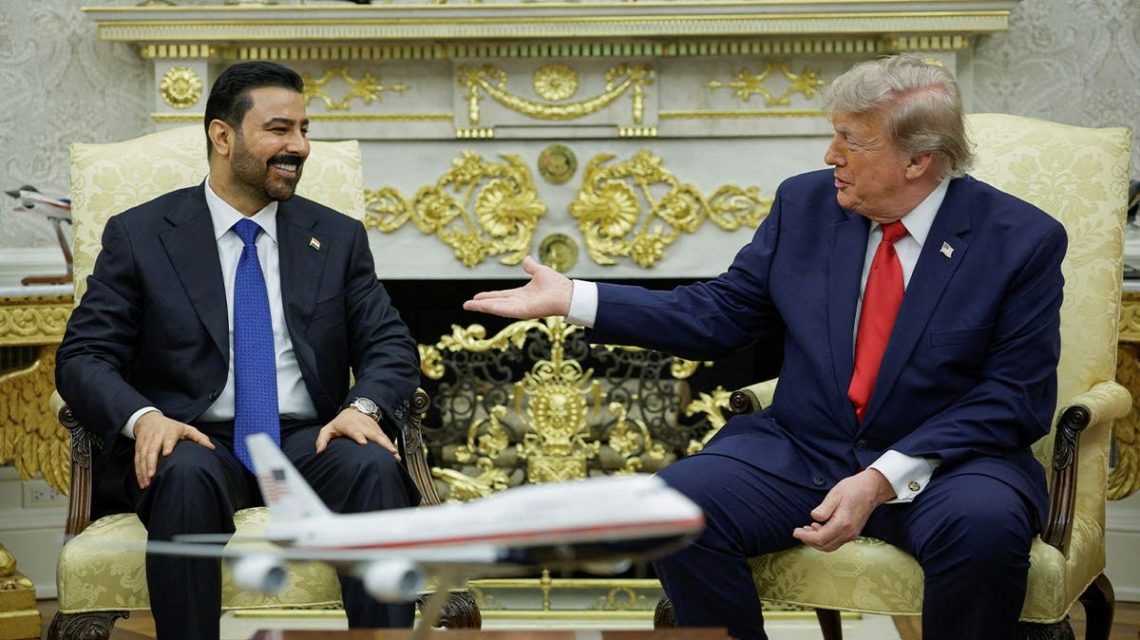
President Donald Trump has announced that the United States will no longer maintain a military presence in Iraq. The decision comes as Iran’s influence is seen as sufficiently reduced, leading to confidence in Iraq’s ability to manage its own security. This marks a significant shift as the U.S.-led coalition mission is set to end by September 30.
Iraqi Prime Minister Ali al-Zaidi supports this view, asserting that armed groups outside of state control will no longer have a reason to operate after the coalition’s withdrawal. He emphasized the importance of confining weaponry to state forces, describing it as a firm decision. Both leaders indicate a pivot from military support to a focus on investment and energy collaboration.
Trump explained that the partnership between the U.S. and Iraq will transition from military efforts to economic investments. The aim is to support Iraq’s development by fostering energy investments, as U.S. companies prepare to engage more in Iraq’s economy.
“We don’t think we need the military there anymore,” Trump stated. “We’re there to help them. We’re there to protect them if need be. But we don’t think that’s going to be necessary.”
The backdrop of this decision includes the U.S. administration’s view that Iraq’s security environment has improved. They attribute this to Iran’s destabilization and reduced military capabilities, which have transformed conditions on the ground.
Historically, Iran has wielded significant influence in Iraq through political and militia groups within the Popular Mobilization Forces. Despite this, Washington has consistently urged Baghdad to bring such groups under state oversight.
The agreement to conclude the American-led coalition’s military mission began with a strategic plan initiated in 2024, targeting a phased withdrawal by September 2025. Although U.S. troops have decreased in Iraq, they continue to offer advisory and counter-ISIS support roles, especially in regards to operations in neighboring Syria.
Prior to the troop drawdown in September 2025, approximately 2,500 U.S. soldiers remained in Iraq. This number was significantly lower than the peak of 170,000 troops in 2007 during intense periods of the Iraq war. Most U.S. forces left in 2011, but about 5,000 returned in 2014 to combat ISIS threats.
Prime Minister al-Zaidi, a recent addition to Iraqi politics, assumed office under consensus after a prolonged political impasse. Trump’s endorsement played a pivotal role in al-Zaidi’s rise, as the U.S. opposed the re-election of former Prime Minister Nouri al-Maliki.
During their meeting at the White House, Trump lauded al-Zaidi’s leadership qualities, predicting a broad influence across the Middle East. He took partial credit for al-Zaidi’s political success, emphasizing his role in supporting the new Iraqi leader.
 The Cost of Challenging Beijing
  Analyzing Midterm Elections and Party Dynamics
  Allan Lichtman’s Framework for Assessing Presidential Greatness
  Tensions Escalate in Iran Conflict as Global Leaders Weigh Options
 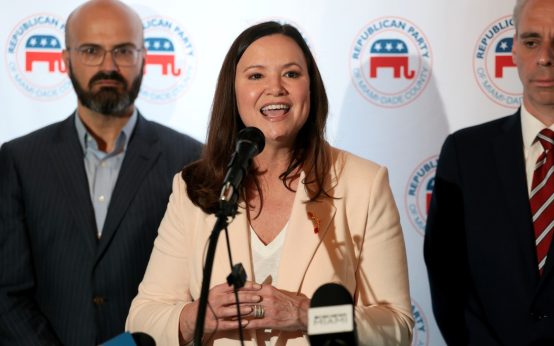 Florida Senate Race Tightens as Recent Polls Show Dead Heat
 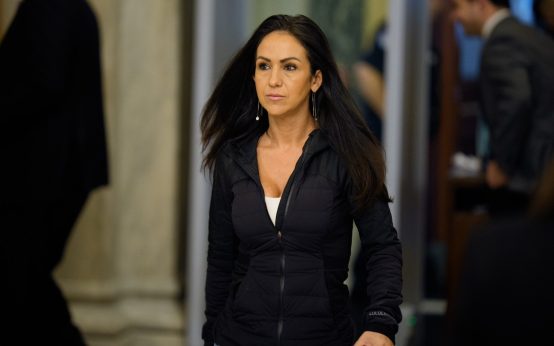 Ethics Complaint Targets Colorado Representative Lauren Boebert