
Judith Zilversmit, an Amsterdam-based journalist, was browsing Instagram in October 2023 when she received an unexpected message. The sender, a woman unknown to Zilversmit, claimed to hold important information regarding Zilversmit’s family history.
The message was candid: For several months, she had been grappling with anxiety over a secret. She had learned two years prior from an old newspaper that her grandmother had a troubling history. Her grandmother had betrayed Zilversmit’s father along with other family members during WWII.
The sender identified herself as Ingeborg Boelen, residing near the Dutch border in Belgium. Boelen explained she had recently obtained her grandmother’s criminal file from a Belgian judicial archive. This file detailed her grandmother’s collaboration with the Nazi regime. Boelen extended an offer for further discussion if Zilversmit wanted more details.
Zilversmit, aged 49, was taken aback by the message. The message vanished from her phone screen, leaving her pondering over who the stranger was and the gravity of the revelation.
“I didn’t know what to make of it,” Zilversmit reflected during an interview. The message unexpectedly stirred her interest in revisiting her family’s past.
She had some foundational knowledge of her family’s Holocaust ordeal. Her father, Hans, who passed away in 2014, had shared that the family fled to Belgium when Germany invaded Holland in 1940. The revelation added a new dimension to her understanding of their struggles and survival.
 Baltimore Rock Opera Society Faces Scrutiny and Resignations After Director’s Dismissal
 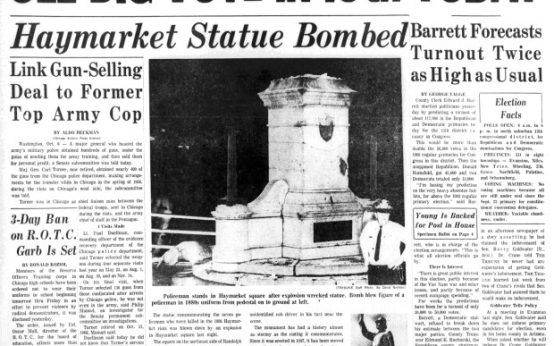 Significant Events in Chicago History on October 6
  New Insights from Research on Ancient Ethiopian Palace
  Innovative Use of AI and Digital Technology in Restoring the Basilica of Saint Francis of Assisi
  Amir Odom: Perspectives on LGBTQ Movement and Political Identity
  The Legacy of Ken Kesey’s ‘Furthur’ Bus