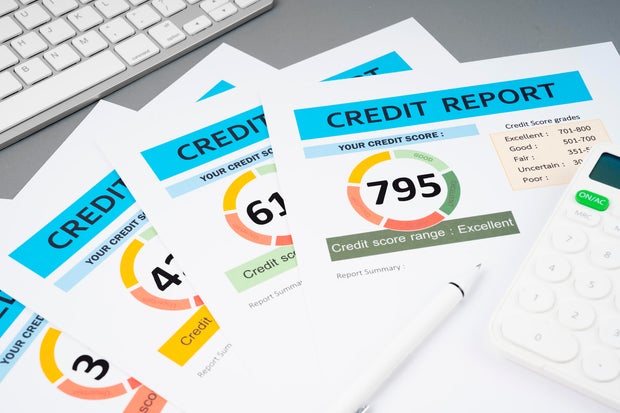
Before paying a collection debt, it’s important to know how it can affect your credit profile. Paying off a debt can feel like a win, but the credit implications are more complex.
What Does Paying a Collection Debt Do?
When you pay a collection debt, it does not automatically remove it from your credit reports. Collection accounts can remain on your credit reports for up to seven years from the original delinquency date. This means the date the account first became late and was never corrected. Paying the debt won’t reset this period.
However, the account’s status should change. Once paid, it should show a zero balance and indicate it has been paid. This matters, but it doesn’t guarantee an immediate improvement in your credit score.
Different Scoring Models
Credit scoring models treat paid collections differently. Newer models like FICO Score 9 and 10 and VantageScore 3.0 and 4.0 generally exclude paid collection accounts. Older models may still consider them. Therefore, the credit impact depends on which score a lender uses.
Historical delinquency can also affect credit. If the account was severely late before going to collections, that history might stay on your reports for up to seven years.
Special Rules for Medical Collections
Medical collections have different rules. Paid medical collections are not included in consumer credit reports by the major credit bureaus. Medical collections with an initial balance under $500 are also excluded.
After making a payment, review your credit reports to ensure the collection account is updated accurately. This may take one to two months.
Options for Unpaid Collection Debts
If you have unpaid collection debts, consider broader debt relief strategies. Debt settlement, where you negotiate to settle the debt for less than the full amount, can reduce balances but requires delinquency and can damage credit.
A debt management plan through a credit counseling agency is another option. You make one monthly payment to the agency, which then distributes it to creditors under new terms.
If eligible, debt consolidation can combine several high-interest debts into one loan with a lower rate. This can simplify repayment and reduce costs.
Conclusion
Paying a collection debt is a milestone, but clearing it from your credit profile takes time. The account can stay on your reports for up to seven years, with varying effects based on scoring models.
If your debts are larger than one collection, explore debt relief options to stabilize your finances and improve your credit over time.