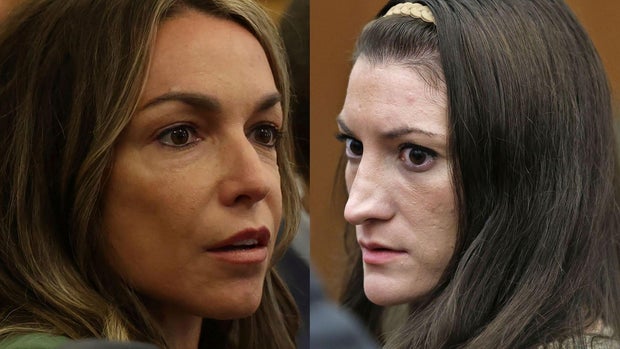
On September 1, 2026, the jury in Lindsay Clancy’s trial reported to the judge that they were deadlocked, unable to reach a unanimous decision. This situation often requires extended deliberations, as seen in other recent high-profile cases.
Hung Jury Examples: Karen Read and Emanuel Lopes
Massachusetts has experienced several cases with deadlocked juries in recent years. Notable examples include Karen Read in 2024 and Emanuel Lopes in both 2023 and 2024.
Emanuel Lopes faced charges for the murder of Weymouth Police Sgt. Michael Chesna in 2018. His trial in 2023 ended with a hung jury, resulting in a mistrial. In 2024, his second trial also faced a deadlock. However, after extensive deliberations lasting 32 hours over six days, the jury finally reached a unanimous guilty verdict.
The jury in Karen Read’s first trial in 2024 also reached a deadlock, leading to a mistrial after 27 hours of deliberation over five days. The jury signaled a deadlock three times, eventually leading to a mistrial. She was acquitted in a subsequent trial a year later.
The “Tuey-Rodriguez” Instruction Explained
In instances of a deadlocked jury, the presiding judge can issue a “dynamite” charge to prompt the jurors to reach a decision. In Massachusetts, this is known as the “Tuey-Rodriguez” instruction, named after a case from 1973.
This instruction allows judges to instruct deadlocked juries to reconsider their positions twice. More opportunities are granted if the jury seeks further clarity on legal matters. If a jury reports being “deadlocked” a second time, judges collaborate with the involved attorneys and often use the Tuey-Rodriguez instruction. Part of the instruction encourages jurors to view themselves as capable as any other potential jury in resolving the case.
When this is read, if the jury remains deadlocked, the judge may then declare a mistrial. A mistrial would reset the defendant’s conditions to those before the trial. For Lindsay Clancy, this would mean staying in custody at Tewksbury State Hospital for psychiatric care.
The Plymouth County District Attorney, Timothy Cruz, could then choose whether to retry Clancy for first-degree murder, a lesser charge, or not at all.