
The opinions on climate change policies are not strictly divided along party lines. A young Republican supporting solar energy while opposing a carbon tax illustrates this complexity. Meanwhile, two Democrats might both acknowledge the reality of climate change but differ on a policy that penalizes households for exceeding monthly energy limits.
These examples highlight that individual beliefs and priorities can influence climate opinions. While Republicans might generally oppose taxes like a carbon tax, their support for renewable energy initiatives shows they are also willing to embrace alternative solutions. This contradiction suggests that the values motivating such opinions are not purely partisan.
Similarly, Democrats who share the same belief in climate change might disagree on implementation methods. One might prioritize economic impacts, opposing extra charges on households for exceeding energy use limits. Others might focus on the environmental benefits, accepting added costs as necessary for reducing carbon emissions.
The conversation surrounding climate policy is nuanced. It challenges the idea that political affiliation dictates opinions on environmental issues. Instead, individuals consider their values, economic interests, and environmental impact when forming opinions. This diverse range of perspectives within political parties shows the complexity of navigating climate policies.
 Trump’s Media Ban Affects Event Coverage
 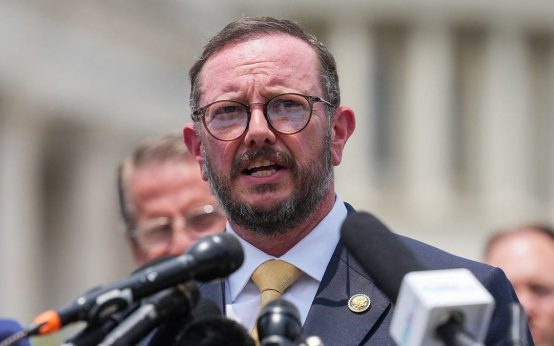 A Critical Perspective on National Spending and Healthcare from Representative Eric Burlison
 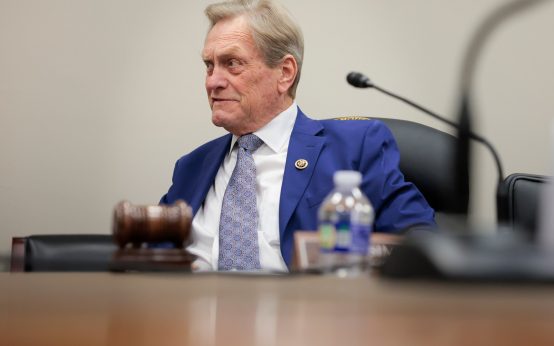 House Republican Criticizes Funding for Trump’s Arch Proposal
  House Bill Proposes Dual Benefits for Combat-Injured Veterans
  Democrats Navigate Transgender Athlete Debate Amid Midterm Elections
 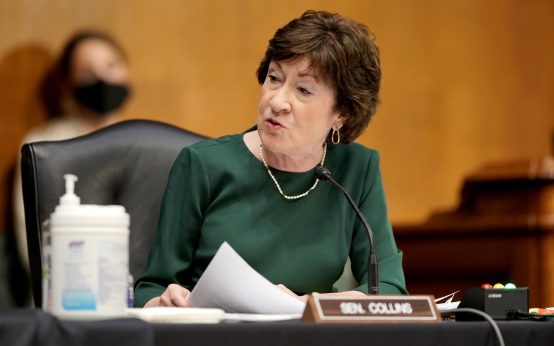 Senator Collins Warns Against Politicization of NIH Grant Funding