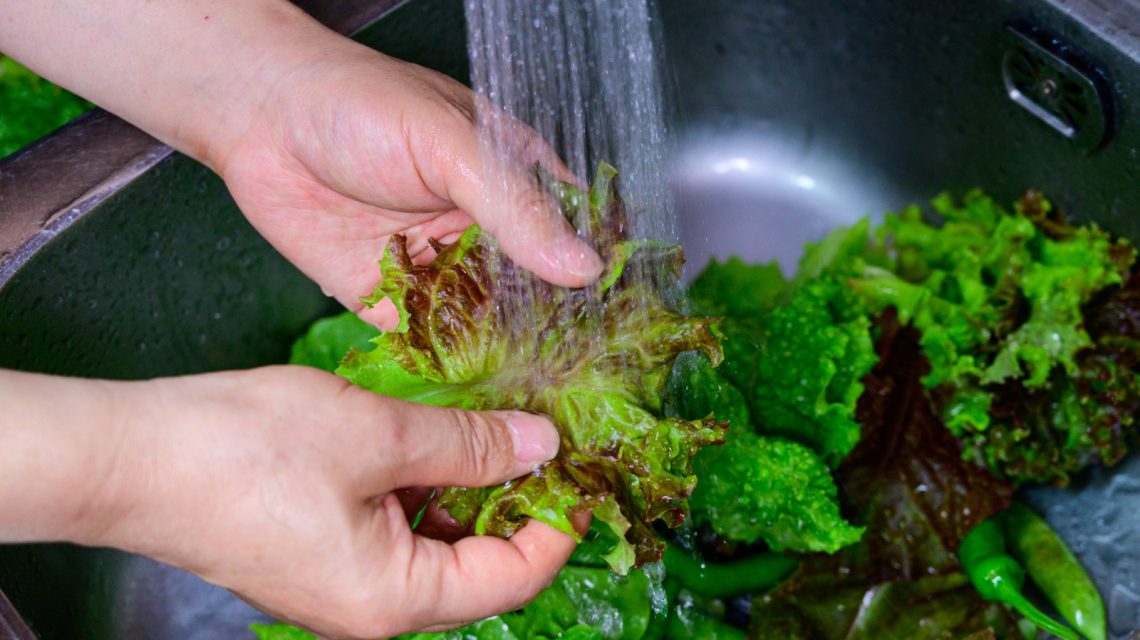
Current Surge in Cyclosporiasis Cases
Health officials in the United States are investigating a significant increase in cyclosporiasis cases across the country. This spike has left consumers questioning the safety of fresh fruits and vegetables. While food safety experts confirm that no produce is entirely free from risk, certain types are less likely to harbor the parasite due to their growth and processing methods.
The Centers for Disease Control and Prevention (CDC) is reviewing hundreds of confirmed cases in over 31 states. Symptoms of cyclosporiasis can include watery diarrhea, nausea, fatigue, stomach cramps, and severe bowel movements lasting for weeks if untreated. Past outbreaks have been linked to produce like bagged salads, cilantro, basil, raspberries, and similar items. However, the specific source of the current cases remains unidentified.
About the Cyclospora Parasite
Cyclospora cayetanensis, the parasite behind the illness, contaminates food or water with human fecal matter. Infection occurs when individuals ingest food or water containing cyclospora oocysts. Unlike other pathogens, cyclospora only infects humans and requires time in the environment before it can infect another person. Fresh produce contamination is more common than direct person-to-person transmission.
The FDA states that fresh fruits and vegetables in the U.S. and worldwide have been associated with cyclospora. Eliminating the parasite is challenging because standard disinfectants are ineffective against cyclospora.
Ensuring Food Safety from Cyclospora
Fresh produce is often linked to cyclospora due to contamination risks in fields. This does not mean produce should be avoided, but awareness of risk levels is crucial. High-risk items tend to be raw, difficult to wash, and include fresh herbs, leafy greens, and berries. By contrast, canned produce is low risk, as the canning process eliminates pathogens.
Low-Risk Produce Choices:
- Fruits with thick, inedible peels: Bananas, citrus, avocados, pineapples, watermelons, mangoes.
During outbreaks, reducing risk involves steering clear of identified contaminated produce, opting for cooked vegetables, and choosing peelable fruits. According to experts like University of Delaware professor Kalmia Kniel, produce with smoother surfaces or removable outer layers carries lower risk.
Cooking as a Safeguard
Cooking food effectively inactivates cyclospora, making cooked vegetables safer than their raw counterparts. Consuming produce that is typically cooked minimizes risk.
Typical Cooked Produce:
- Corn, green beans, peas (note: raw pea pods have been linked to past outbreaks), squash, cooked spinach.
Experts emphasize that cooking herbs and baking can help fully inactivate oocysts.
Home-Grown and Farmers’ Market Produce
Growing your own produce or purchasing from farmers’ markets may reduce some contamination risks, but is not risk-free. Contamination can still occur via soil, water, and sanitation practices. Utilizing safe irrigation like drip methods can help reduce exposure, particularly for above-ground produce.
Consumers are advised to wash produce under running water, refrigerate cut items, avoid produce linked to recalls, and select cooked or canned options when concerned about cyclospora.
Ongoing Investigation
The source of the current outbreak remains unidentified. As investigations proceed, public health agencies continue to recommend the consumption of fruits and vegetables as vital components of a healthy diet.
 Florida Reports First Dengue Fever Death as Outbreak Expands
  Federal Relief Funds Used for Anti-Racism Training in Albuquerque Schools
  Florida Man Claims ‘Lion Diet’ Transformed Health and Life
  Concerns Over Food Safety and Its Impact on Families
  A Mother’s Tragic Journey Under Abortion Ban
  Medical Diagnosis Errors: Understanding the Crisis