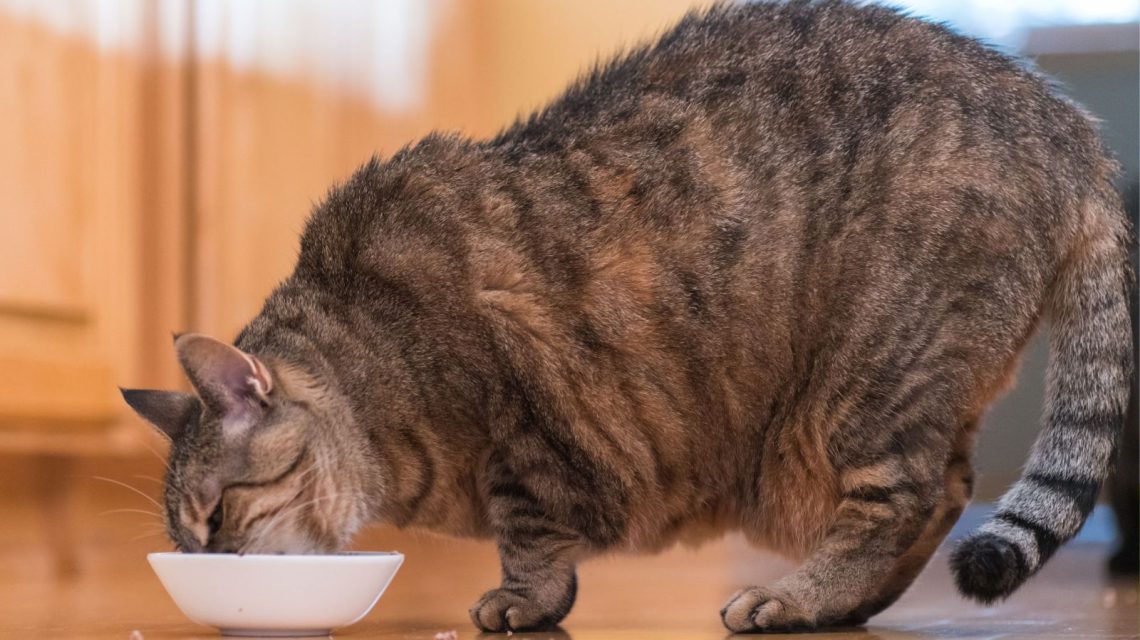
Recognizing Excess Weight in Cats
Pet owners might notice their cat gaining weight and have questions about its causes. Veterinarian Ruth MacPete emphasizes that many owners unknowingly overfeed their cats.
MacPete, author of Lisette the Vet and Her Dog Jett, highlights subtle signs that indicate overfeeding. She warns that while overweight pets might appear cute, they face health risks such as arthritis, diabetes, and liver disease. Cats often show early clues of weight issues if owners know what to observe.
Common Habits Leading to Weight Gain
1. Leaving Food Out All Day
“Some cats eat too much when given unlimited access to food,” MacPete explains.
Many owners practice free feeding, where cats can eat anytime. While convenient, this can lead to excessive calorie consumption. Treats also contribute to weight gain. MacPete suggests that treats comprise only 5 to 10 percent of a cat’s daily intake, with the rest coming from balanced cat food.
2. Gradual Weight Gain
Weight gain isn’t always apparent, as it happens slowly. Owners should consult veterinarians to assess a cat’s healthy weight. Vets use a nine-point body condition score, where 1 is very thin and 9 obese. Score 5 is ideal.
Vets evaluate by examining and feeling the cat’s ribs, spine, and bony areas. Depending on the findings, they assist in creating a diet plan if the cat is overweight.
3. Difficulty in Jumping
“Extra weight can affect how your cat moves,” MacPete notes.
Overweight cats often struggle to jump onto beds, counters, or favorite perches. Since cats naturally enjoy such activities, mobility changes should be discussed with a veterinarian.
4. Issues with Grooming
Grooming habits can signal weight concerns. Overweight cats might have trouble reaching their back ends, leading to unkempt coats or skin issues.
MacPete points out that improper grooming causes fur and debris build-up, potentially affecting skin health.
5. Reduced Playfulness
Less interest in play could indicate excess weight. While older age can contribute to inactivity, a reluctance to move might be due to the physical demands of extra weight.
Overweight cats often limit activity, further causing weight gain.
Approaches to Weight Loss in Cats
Sheds pounds with veterinary guidance. MacPete stresses reducing calorie intake and increasing activity. However, drastic food cuts without veterinary advice are unsafe. Rapid weight loss risks hepatic lipidosis, a dangerous liver disease.
Regular vet checkups are vital. MacPete advises annual visits, and every six months for cats older than seven. Early detection assists in maintaining a healthy weight.
For inquiries on this story, contact Newsweek editors Rebecca Flood and Gray R. Thomas.
 Florida Man Claims ‘Lion Diet’ Transformed Health and Life
  Concerns Over Food Safety and Its Impact on Families
  A Mother’s Tragic Journey Under Abortion Ban
  Medical Diagnosis Errors: Understanding the Crisis
  Lymphatic Drainage and Ice Sculpting: Emerging Wellness Trends
  The Rising Trend of GLP-1 Medications Among College Students