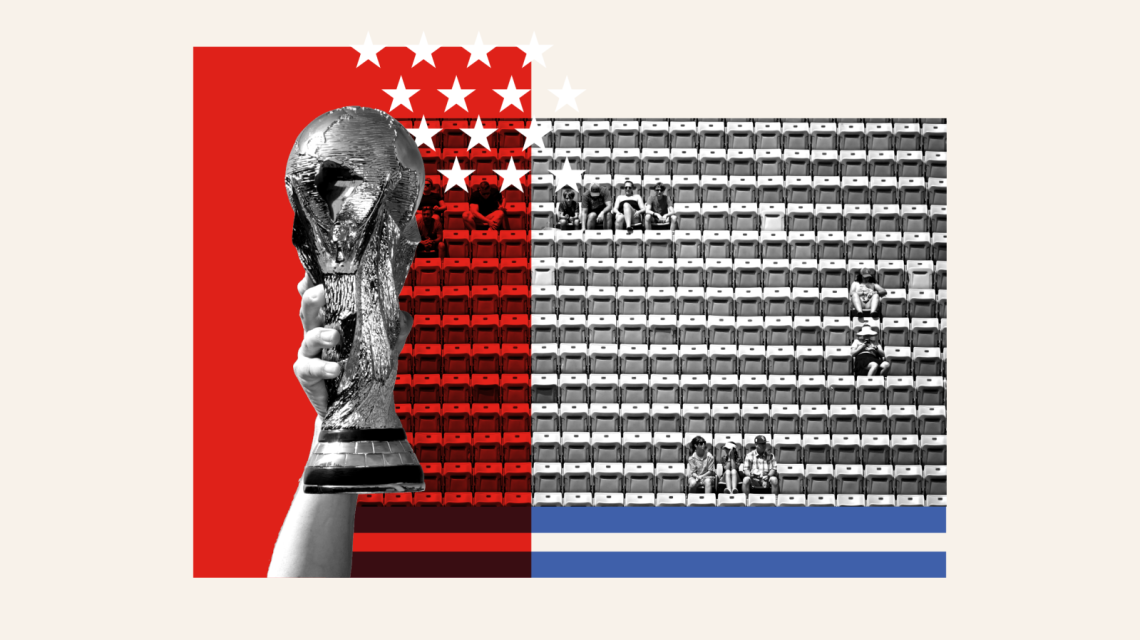
The organizers of the 2026 FIFA World Cup face challenges with weaker demand than anticipated, raising concerns about unsold games. This issue of empty seats and less than full stadiums has been a recurring problem in previous tournaments. Despite this, FIFA, the global soccer authority, asserts that sales figures are strong and demand justifies current ticket prices. However, these high prices have led to lawsuits from fans and investigations by host-city officials. Surveys show lower booking rates in host cities, attributed to these costs.
Current Ticket Availability
As reported by TicketData.com, approximately 25,000 seats remain available through FIFA’s main ticketing platform. This number fluctuates as the organization releases last-minute ticket batches. Data shared with Newsweek recently indicated that 17,000 tickets for host nation matches were available through the resale terminal alone.
Historical Empty Seat Issues
South Africa 2010
Although overall attendance was high, South Africa 2010 saw many group-stage matches with empty seat sections. ESPN estimated nearly 3.2 million attendees, ranking third in World Cup history at the time. Despite this, some games such as South Africa against France had visible empty seats, which sports journalist Mark Ogden noted in his coverage. Transportation issues contributed to this, with FIFA blaming overseas fans and corporate ticket holders for not attending despite owning tickets.
Brazil 2014
Despite Brazil’s strong soccer tradition, their World Cup faced underfilled arenas. High ticket prices and FIFA’s failure to reallocate returned tickets were cited as causes. A FIFA spokeswoman attributed the issue to unclaimed tickets that were not put up for resale.
Russia 2018
The Russia-hosted World Cup experienced empty seats early in the tournament, notably during the match between Uruguay and Egypt. FIFA confirmed about 5,000 unfilled seats, investigating causes such as ‘no shows’ despite allocated tickets.
Qatar 2022
Qatar spent over $200 billion preparing for the 2022 World Cup, yet faced similar challenges with unsold seats. Reports indicated sold-out games still had visible empty seats, even during crucial matches like the Argentina vs France final. Some believed organizers overestimated stadium capacities.
Current Ticket Sales
In late May, FIFA claimed strong ticket sales with a high interest level for all matches. More than 5 million tickets have been sold, with continued availability on FIFA’s platform until the tournament concludes. Most remaining tickets are on the resale market, yet prices declined by mid-May. This trend suggested resellers struggled to sell their inventory. The Financial Times noted nearly 180,000 listings on the resale portal just days before the tournament.
FIFA saw a sharp drop in its ticket availability in late May by about 44,000, lighting speculations that the organization moved tickets to resale platforms to manage prices and reduce unsold seats. Analysis indicated the number of disappeared tickets matched those appearing on resale sites. While this suggests a strategy to affect demand or pricing, it is not confirmed as an official action by FIFA.
 Deion Sanders Addresses Colorado Loss and Team Conduct
  Lithuanian President Urges U.S. to Maintain Military Presence Amid NATO Challenges
  Italian PM Giorgia Meloni Skips UN General Assembly Amid U.S. Tensions
  Steve Lotysz: From Gates to Galleries
  Ireland Faces Calls to Boycott Matches Against Israel
  Jaxson Dart’s Knee Injury Could End Giants Season