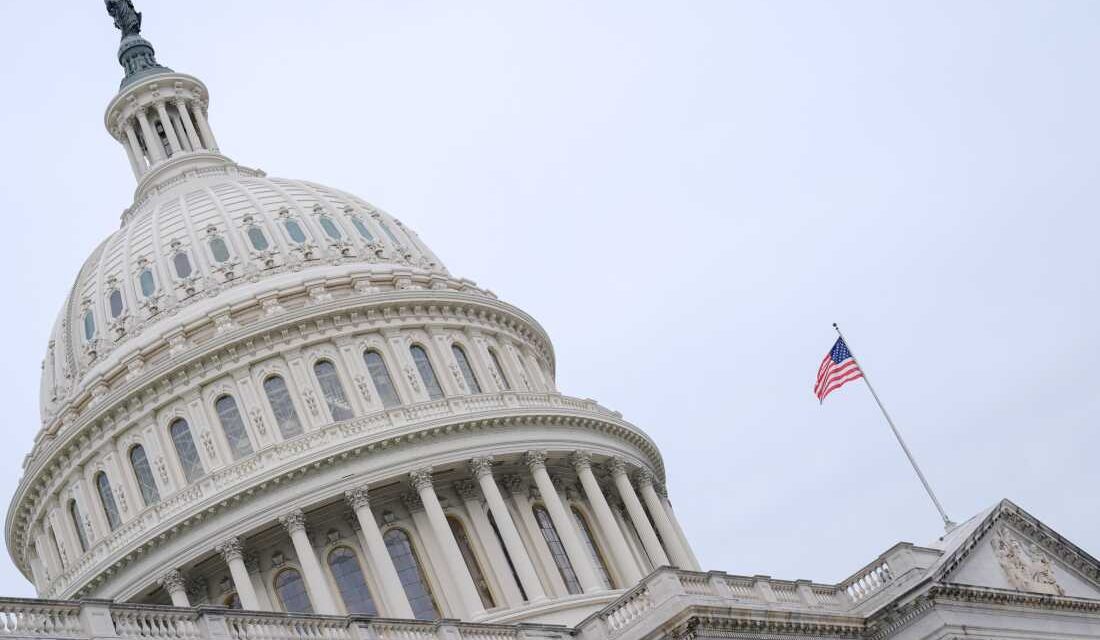
A Senate subcommittee meeting brought sports betting industry officials under scrutiny on Wednesday. Recent cheating scandals, aggressive marketing tactics, and regulatory battles were in focus as lawmakers sought answers.
Mariam Zuhaib/AP
Sports betting officials faced a grilling from Senate Commerce subcommittee members over marketing strategies and cheating allegations. The push for stricter regulations highlighted the challenges of legalized gambling.
Senator Ted Cruz (R-Texas) asked key questions at the hearing. He wanted to know how to maintain the integrity of sports amidst betting and whether prediction markets comply with state laws.
Cruz referenced allegations involving MLB pitchers and canceled UFC fights. These incidents undermine fan trust and require collaboration among sports leagues, casinos, and regulators to combat manipulation.
Advertising practices also came under fire. Platforms like Kalshi and Polymarket were questioned for potentially targeting young people in social media ads, raising addiction concerns.
Patrick McHenry, a senior adviser for the Coalition for Prediction Markets, defended the platforms. He noted that users under 18 are banned and the average age of users is 33. Sportsbooks require bettors to be 21.
Online sports betting has grown rapidly since a 2018 Supreme Court decision. 39 states and D.C. have legalized some form of mobile sports gambling. American Gaming Association data shows sports betting revenue reached $16.96 billion in 2025.
Cheating scandals and addiction concerns have led to calls for stricter oversight. Harry Levant from the Public Health Advocacy Institute emphasized the need to address gambling addiction as a human issue, not a partisan one.
Bill Miller, CEO of the American Gaming Association, insisted that online gambling is highly regulated and is vital to the U.S. economy.
Minnesota recently banned prediction markets, setting off a legal battle with the Trump administration. Other states are proposing bills to limit these platforms, according to the National Conference of State Legislatures.
Prediction market companies advocate for federal oversight, seeking classification as financial futures contracts rather than gambling services. The Trump administration supports this, suing states attempting regulation.
McHenry argued that equating prediction markets with traditional gambling shows a misunderstanding. In prediction markets, participants trade with each other, and platforms earn transaction fees—not profits from customer losses. The incentives differ fundamentally, benefiting from participation and accuracy.
 Senator Criticizes Drug Policy After Ohio Tragedy
  Israeli Leader’s Upcoming U.N. Assembly Speech Marked by Controversy
  Republicans Call for Quick Resolution to Iran Conflict
  United States Secures Arctic Defense Pact
  Senator Warren Seeks to Restrict Private Equity in Restaurant Chains
  Marco Rubio’s Expanding Role in Trump Administration