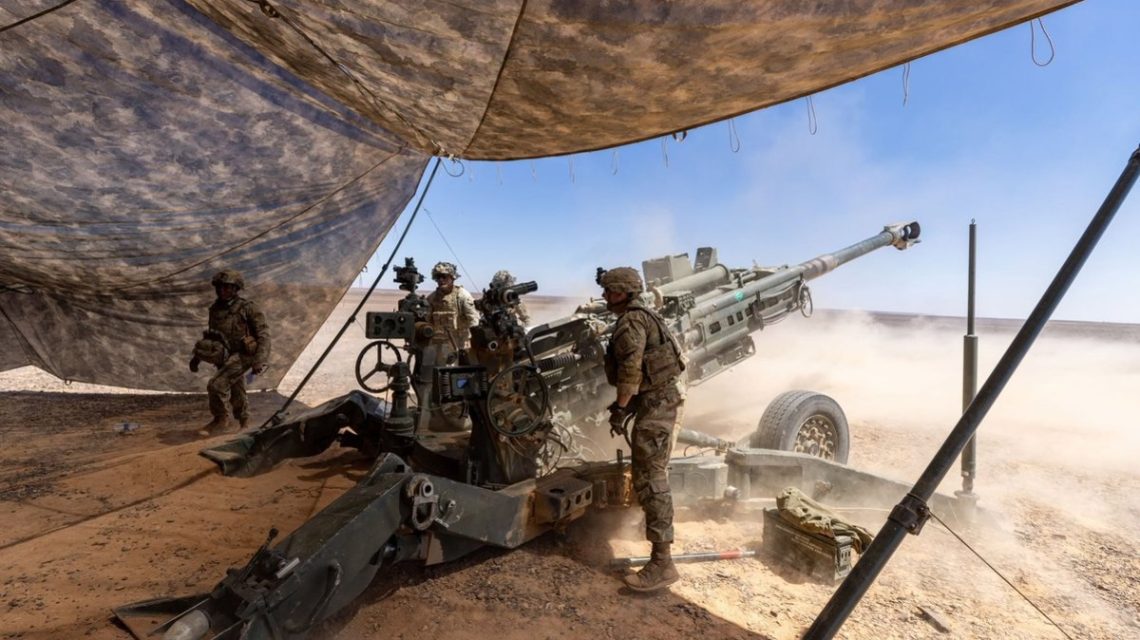
U.S. forces stationed in the Middle East have a reputation for innovative thinking, according to Captain Timothy Hawkins, spokesperson for the U.S. Central Command (CENTCOM). CENTCOM oversees U.S. troops in the region. Admiral Brad Cooper, CENTCOM’s top commander, actively listens to suggestions from personnel at all levels. Amid ongoing conflict with Iran entering its sixth month, the U.S. military appears to be gathering proposals on how to counteract Iran’s influence.
An intelligence officer with CENTCOM reportedly reached out to military analysts with a request for new and unconventional strategies to pressure and penalize Iran, as reported by CNN. This email, sent on July 29, raised concerns about the adequacy of current plans for a swift victory or exit strategy. Some viewed it as a routine request, while others saw it as an indication of strategic gaps.
Seeking Innovative Tactics
Details of the responses sought by CENTCOM remain unclear. Beyond Captain Hawkins’ comments, CENTCOM has refrained from providing further information on the report. Jim Townsend, a former Pentagon official, suggested that the inquiry might be an attempt to find a decisive strategy akin to Ukraine’s effective drone operations against Russia. Ukraine has used drones to disrupt Russian logistics, boosting its position in negotiations.
In the Middle East, the U.S.’s efforts, including heavy strike campaigns and sanctions, have not yet disrupted Iran’s control over the vital Strait of Hormuz. Officials have indicated that increased bombing may not sway Tehran, despite former President Donald Trump’s temporary pause on military action in favor of potential talks. Iran has pursued discussions with Oman instead.
An Unusual Request
The nature and context of the message cited by CNN are difficult to assess. Active-duty personnel in the U.S. military are known to publish ideas in media or academic journals for new strategies, such as drone usage or enhancing air defense systems. The military also conducts competitions to encourage innovative thinking from personnel and civilians.
In previous Middle Eastern conflicts, intelligence and defense officials proposed strategies to the National Security Council, according to Townsend. A serving military official mentioned that the blunt wording of the CNN message is hard to interpret. Intelligence officers typically evaluate enemy vulnerabilities to help plan actions.
Some critics argue that the request reflects a lack of plan. While it’s common for suggestions to circulate within the chain of command, soliciting input via email during an ongoing conflict is unexpected. Typically, such brainstorming takes place in classified settings. A European defense official remarked on the unusual nature of this approach. Mark Cancian of the Center for Strategic and International Studies noted no precedent for this kind of formal call, recalling that past conflicts like the Iraq War occasionally saw innovative suggestions emerge without formal prompts.
For discussions, contact Newsweek editors Frances Mao and Tony Phillips.
 Teen Arrested in Penn State Student’s Murder; Second Suspect at Large
  Carnival Panorama Passenger Jumped Overboard During Final Leg of Cruise
  Nikole Hannah-Jones Reflects on Educational Choices for Her Daughter
  Life and Challenges at Chennai’s Kasimedu Fishing Harbour
  Chicago Bears Eye Potential Move to Indiana: A Look at the Developments
  Amazon Offers Discounts to Employees at Whole Foods