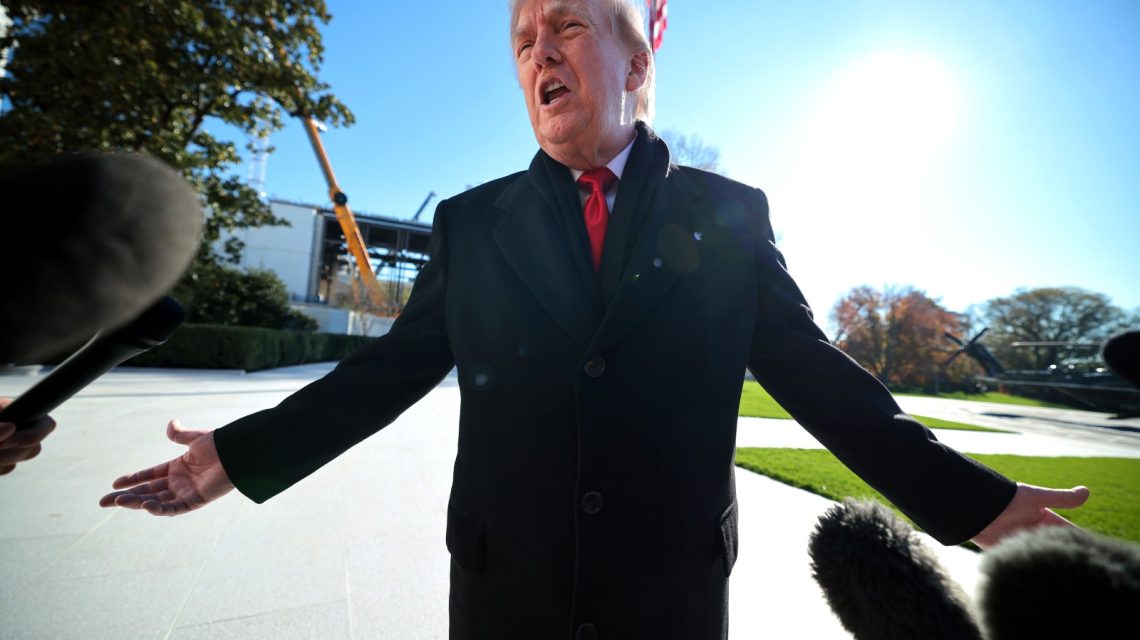
President Donald Trump reported hundreds of stock and bond transactions in September. These include investments in companies like Nvidia and SpaceX, which face decisions from his administration. This raises questions about possible conflicts of interest.
Nvidia Stock Purchase
Trump purchased up to $380,000 in Nvidia shares before a scandal involving the company’s CEO, Jensen Huang, led to Huang’s resignation. This purchase raises ethical concerns about potential conflicts of interest. Huang’s resignation followed allegations of connections with a woman suspected of spying for China. The president described Huang as a ‘high-quality person’ but expressed amazement at the charges.
The administration has made decisions affecting Nvidia’s business, including restrictions on AI chip access for Chinese companies. Trump’s September Nvidia trades occurred shortly after larger trades in August, where he bought and sold shares worth millions.
L3Harris Trades and FAA Ground Stop
Trump sold L3Harris shares in September. The company operates the FAA’s telecommunications network, linked to an aviation ground stop in November. Questions remain about who is responsible for the disruption, but Trump’s stock sales took place months before the incident.
L3Harris also relies on government contracts, which could conflict with Trump’s decisions.
SpaceX and Other Investments
Trump invested in SpaceX and other companies like Palantir and Intel in September. His portfolio included major technology companies such as Apple, Amazon, and Tesla. Despite these purchases, Bloomberg reported Trump was a net seller of individual stocks in September, also buying municipal bonds and an ETF.
White House’s Response
The White House stated Trump has no control over his stock trades, which are managed by external institutions. These institutions reportedly follow market indexes like the Schwab 1000. Trump claims he lacks knowledge of specific investments, relying on large financial firms for management.
However, ethics experts argue this setup doesn’t eliminate all potential conflicts of interest. Presidents and vice presidents are exempt from some federal conflict-of-interest laws, but ethical guidelines encourage treating them as applicable.
STOCK Act and Disclosure Timing
The STOCK Act requires timely disclosure of transactions. Trump’s report, signed in November, covers transactions dating back to September, potentially exceeding deadline limits. No filing extensions or fees were noted. Ethics experts suggest Trump should adhere to late-filing penalties.
Call for Trading Restrictions
Amid debates on elected officials trading stocks, Trump has suggested restrictions on congressional trading, yet remains active in trading himself. Ethics experts call for comprehensive divestment or trading prohibitions to resolve broader ethical concerns.
As the debate continues, questions about the potential use of insider information and decision-making bias persist, emphasizing the need for clearer ethics policies.
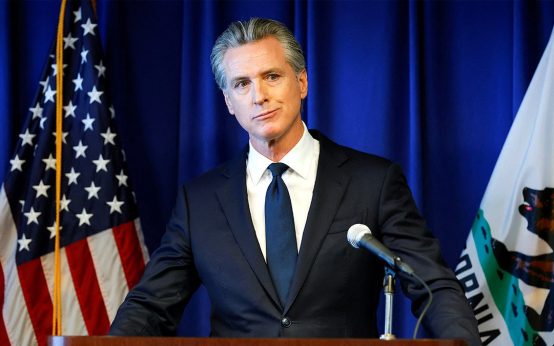 Controversy Surrounds Governor Newsom’s Death Sentence Commutation Plan
 Jewish Activist Criticizes Event Cancellation at CUNY School
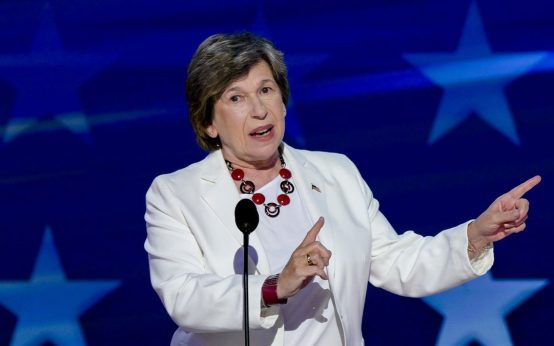 Debate on School Choice in Texas Elections
 Amy Klobuchar Takes On Governorship with Promises for Minnesota’s Growth
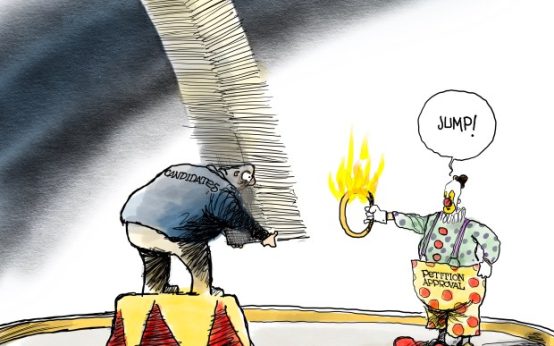 Challenges of Signature Requirements for Political Candidates in Illinois
 Debate Rekindled Over Gray Wolves and Livestock Losses